Choosing the right train ticket can make a major difference to your travel experience. A low-priced ticket may look attractive, but it may come with restrictions, an inconvenient departure time, limited seat choices, or difficult connections. On the other hand, a more expensive ticket may provide greater flexibility, better seating, or a faster and more comfortable journey.
Learning How to Choose Train Tickets is especially useful when you are travelling on a busy route, planning a long-distance journey, travelling with family, or trying to keep your travel budget under control. Train operators use different ticket types, fare structures, travel classes, and seat reservation systems, so understanding the available options can help you make a better decision.
The right ticket depends on several factors, including your budget, travel date, destination, preferred departure time, journey length, flexibility, and comfort requirements. This guide explains how to compare train tickets, choose suitable seats, select better routes, understand prices, and avoid common booking mistakes.
How to Choose Train Tickets Based on Your Travel Needs
Before comparing prices, think about what you actually need from your journey. The cheapest available ticket is not necessarily the most suitable option.
Start by answering a few basic questions:
- Where are you travelling from?
- Where are you going?
- What date will you travel?
- Is your date flexible?
- Do you need a return ticket?
- How long is the journey?
- Do you prefer a direct train?
- Are you travelling alone or with others?
- Do you need a specific seat?
- Could your plans change?
- How much are you willing to spend?
These questions make it easier to decide How to Choose Train Tickets without focusing on price alone.
For a short journey, a standard ticket may be perfectly adequate. For an overnight journey, you may prefer a sleeper or more comfortable class. If you are travelling for an important meeting, a direct train with a reliable arrival time may be more valuable than a cheaper service with several connections.
Compare Train Routes Before Booking
The route you choose affects both the ticket price and the overall travel time. Some destinations can be reached by several train services, while others may require one or more connections.
When deciding How to Choose Train Tickets, compare the complete route rather than selecting the first available train.
Look at:
- Direct routes
- Connecting routes
- Journey duration
- Number of changes
- Departure station
- Arrival station
- Connection time
- Train type
- Ticket price
- Arrival time
A direct train is usually easier because you do not need to leave one train and find another platform. However, a connecting train could be cheaper or may offer a more convenient departure.
Direct Trains
Direct trains are often the easiest choice for travellers who want a simple journey.
They are particularly useful for:
- Families with children
- Older travellers
- Passengers with heavy luggage
- Business travellers
- Travellers unfamiliar with the station
- Long-distance journeys
A direct service also reduces the possibility of missing a connection because of a delay.
Connecting Trains
Connecting trains can sometimes provide better prices or more route options.
However, connection time matters. A very short connection may be risky, especially at a large railway station.
If you need to change trains, check whether both services are included in one booking. Separate tickets may have different conditions if the first train is delayed.
Understand Train Ticket Types
One of the most important steps in learning How to Choose Train Tickets is understanding ticket categories.
Railway systems use different names, but common options include:
- Advance tickets
- Flexible tickets
- Off-peak tickets
- One-way tickets
- Return tickets
- Standard tickets
- First-class tickets
- Sleeper tickets
- Season tickets
- Rail passes
Each type can have different prices and conditions.
Advance Tickets
Advance tickets are often designed for travellers who know exactly when they want to travel.
They can offer attractive prices, but they may be restricted to a specific train or date. If you miss the selected service, you may have limited options depending on the operator’s rules.
Advance fares can be a good choice when your plans are fixed.
Flexible Tickets
Flexible tickets can cost more, but they provide greater freedom.
They may allow you to travel on different services or change your journey under specific conditions.
If you are attending a meeting, waiting for an appointment, or travelling during an uncertain schedule, paying more for flexibility may be sensible.
Off-Peak Tickets
Some railway operators offer lower fares for travel outside their busiest periods.
Off-peak conditions vary, so check the exact time restrictions before booking.
If you can adjust your departure time, an off-peak ticket may help reduce your travel costs.
How to Choose the Right Train Ticket Price
Price is one of the biggest factors when booking train travel, but it should not be considered separately from flexibility and convenience.
Train prices can depend on:
- Travel date
- Departure time
- Route
- Train operator
- Travel class
- Demand
- Ticket type
- Booking time
- Passenger category
- Discounts
- Railcards
- Availability
When considering How to Choose Train Tickets, compare the total value rather than simply choosing the lowest number shown on the screen.
A cheap ticket might be tied to one train and offer no refund. A slightly more expensive ticket could allow changes and provide greater peace of mind.
Compare Multiple Departure Times
If you are flexible, search for several trains on the same day.
For example, a morning train may cost more because of business demand, while an afternoon service may have a lower fare.
Compare:
- Early morning
- Morning
- Afternoon
- Evening
- Late-night services
A small change in departure time can sometimes make a noticeable difference to the fare.
Compare Nearby Travel Dates
If your schedule allows, check the day before and day after your preferred date.
Weekend, holiday, and event-related travel can be more expensive than less busy dates.
Travelling midweek may provide more options on some routes, although prices vary by railway system.
Consider the Total Cost of the Journey
A train ticket is only one part of your travel expenses.
When learning How to Choose Train Tickets, consider the full cost of reaching your destination.
For example, suppose one train costs slightly more but leaves from a station close to your hotel. Another service is cheaper but departs from a station that requires a long taxi journey.
The cheaper train may not actually be cheaper overall.
Include:
- Train fare
- Booking fees
- Seat reservation fees
- Local transport
- Taxi or ride-hailing costs
- Parking
- Food
- Baggage fees where applicable
- Additional accommodation caused by inconvenient schedules
This approach gives you a more realistic view of the cost.
How to Choose the Best Train Seat
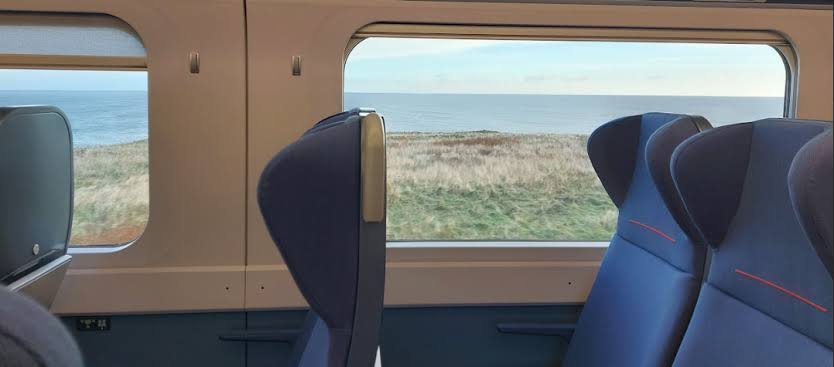
Seat selection is especially important on long journeys.
Depending on the railway operator, you may be able to choose your seat during booking. Other systems automatically assign seats or provide limited choices.
Before selecting a seat, think about how you prefer to travel.
Window Seats
Window seats are popular with travellers who enjoy scenery and want a fixed view.
They can also provide a comfortable position for sleeping or relaxing because you can lean against the side of the train.
Window seats may be especially enjoyable on scenic routes.
Aisle Seats
An aisle seat is useful if you expect to get up frequently.
It provides easier access to:
- Toilets
- Luggage areas
- Food services
- Doors
- Other passengers
Business travellers who need to move around may prefer aisle seats.
Table Seats
Table seats can be useful for working, eating, studying, or travelling with family.
If you need to use a laptop, check whether the table provides enough space and whether power outlets are available.
Quiet Areas
Some trains have quiet carriages or designated quiet zones.
These seats may be ideal if you want to read, work, sleep, or enjoy a peaceful journey.
Always check the current train seating information because carriage arrangements differ between operators.
Choose Seats Based on Journey Length
The ideal seat for a one-hour trip may not be the ideal seat for an eight-hour journey.
For short trips, convenience may be more important than comfort.
For longer journeys, consider:
- Legroom
- Seat width
- Table space
- Power outlets
- Window position
- Reclining options
- Quiet areas
- Toilet location
- Luggage storage
If you are travelling overnight, seating becomes even more important. A sleeper or berth may provide much greater comfort than a standard seat.
Booking Seats for Families and Groups
Travelling with family or friends requires additional planning.
If sitting together is important, reserve seats as early as possible when the booking system allows seat selection.
Families with young children may prefer seats close to toilets or family-friendly areas where available.
Groups may prefer table seating so everyone can sit together.
When considering How to Choose Train Tickets, remember that the cheapest fare is less useful if your group ends up sitting in different parts of the train.
First Class vs Standard Class
Travel class can significantly affect the ticket price.
Standard class is usually the better choice for travellers who want to keep costs low.
First class may provide:
- Larger seats
- More legroom
- Quieter surroundings
- Extra workspace
- Additional services
- Food or drinks on selected services
- Lounge access on certain routes
When Standard Class Is Better
Standard class may be ideal when:
- Your journey is short
- You are travelling on a tight budget
- You do not need additional services
- You are comfortable with regular seating
When First Class May Be Worth It
First class may be useful for:
- Long journeys
- Business travel
- Important work trips
- Travellers who value additional space
- Overnight or extended journeys
Compare the price difference with the services included before making a decision.
Check the Departure and Arrival Stations
One of the easiest mistakes to make is selecting the wrong station.
Large cities often have several railway stations. A station in the same city may be several kilometres from another station.
Before booking, confirm:
- Departure station
- Arrival station
- Station location
- Distance from your hotel
- Local transport options
Knowing How to Choose Train Tickets also means understanding where your train actually leaves from and arrives.
A train arriving at a less central station could require additional transport and time.
Check Connection Times Carefully
If your journey includes a change, pay close attention to the connection.
A 10-minute connection may be manageable at a small station, but it could be stressful at a large station.
Consider:
- Platform distance
- Station size
- Luggage
- Passenger queues
- Accessibility requirements
- Potential delays
If you are travelling with children or elderly passengers, allow additional time.
Avoid Unnecessarily Tight Connections
A cheaper itinerary is not always better if you have to run between platforms.
A slightly longer connection can make your journey much more comfortable.
When deciding How to Choose Train Tickets, balance journey speed with reliability.
Check Ticket Cancellation and Change Rules
Ticket conditions are easy to ignore when you are focused on price.
Before paying, check whether the ticket can be:
- Cancelled
- Refunded
- Changed
- Rescheduled
- Transferred
Also check whether fees apply.
A highly restricted ticket can be excellent value if your plans are certain. It may be a poor choice if your plans are uncertain.
Flexible Tickets Can Have More Value
Imagine two tickets:
Ticket A: Lower price, no changes allowed.
Ticket B: Higher price, changes permitted under certain conditions.
If your plans are fixed, Ticket A may be the better option. If your schedule could change, Ticket B may save you money and stress later.
This is an important principle when deciding How to Choose Train Tickets.
Look for Discounts and Railcards

Some railway networks provide discounts for eligible travellers.
Depending on the country and operator, discounts may be available for:
- Children
- Students
- Seniors
- Families
- Young travellers
- Frequent travellers
- Military personnel
- Disabled passengers
- Other eligible groups
Always check the current requirements because discount programmes differ between railway systems.
Calculate Whether a Discount Card Is Worth It
A railcard or discount membership can cost money upfront.
Before buying one, estimate how much you expect to spend on train travel.
If the expected savings are greater than the card cost, it may be worthwhile.
If you only plan to take one short journey, buying a discount card may not make financial sense.
Consider Rail Passes for Multi-City Trips
Rail passes can be useful when travelling between several destinations.
Instead of buying individual tickets for each journey, a rail pass may cover multiple services within a particular period or geographical area.
However, calculate the numbers first.
List the journeys you expect to take and compare their individual prices with the cost of the pass.
Also check whether reservations or supplements are required.
A rail pass can provide flexibility, but it is not automatically the cheapest option for every traveller.
Check Luggage Rules Before Booking
Luggage policies vary between trains and railway operators.
Some trains have large luggage areas, while others have limited space.
Before booking, check:
- Number of bags allowed
- Weight limits
- Size limits
- Luggage storage
- Oversized baggage rules
- Bicycle rules
- Sports equipment policies
If you are travelling with multiple large bags, choose a train with suitable storage.
Luggage can also affect your seat choice. A seat close to a luggage area may be more convenient if you have heavy bags.
Check Train Facilities
Two trains travelling on the same route may provide different facilities.
Depending on the service, you may find:
- Wi-Fi
- Power outlets
- Food services
- Toilets
- Air conditioning
- Entertainment
- Accessible seating
- Family areas
- Sleeping accommodation
Before choosing a train, consider which facilities are important for your journey.
For a short trip, you may not care about Wi-Fi or food services. For a long journey, these features can significantly improve comfort.
Think About Your Arrival Time
Getting to your destination quickly is useful, but arrival time should match your plans.
For example, arriving at 11:00 PM may not be ideal if your hotel has limited late-night check-in.
Similarly, arriving very early may mean waiting several hours before your accommodation is available.
When deciding How to Choose Train Tickets, check what you will do after reaching the destination.
Consider:
- Hotel check-in
- Airport connections
- Meetings
- Tours
- Restaurant reservations
- Local transport
- Connecting trains
- Business appointments
Book Through Reliable Sources
Use the official railway website, official railway app, station ticket office, or an authorised booking platform whenever possible.
Reliable booking sources help you access current information about:
- Fares
- Availability
- Train schedules
- Seat reservations
- Cancellation rules
- Refund policies
- Service disruptions
Railway schedules and policies can change, so always check current information before making an important booking.
Review Everything Before Payment
Before clicking the final payment button, review your booking carefully.
Check:
- Passenger name
- Travel date
- Departure station
- Arrival station
- Train number
- Departure time
- Arrival time
- Travel class
- Seat number
- Ticket type
- Total price
- Cancellation conditions
A few seconds of checking can prevent an expensive booking mistake.
Common Mistakes When Choosing Train Tickets
Understanding common mistakes can make the booking process easier.
Choosing Only by Price
The cheapest ticket may have strict restrictions or an inconvenient schedule.
Ignoring the Station
Always confirm the exact station name and location.
Selecting a Tight Connection
Allow enough time to change trains.
Forgetting Seat Preferences
If you want a window or aisle seat, check whether selection is available before paying.
Ignoring Cancellation Conditions
Read the fare rules before buying.
Booking Without Checking Luggage Rules
Large bags may create difficulties on trains with limited storage.
Not Comparing Travel Dates
A flexible date can sometimes provide better availability and pricing.
Forgetting Additional Costs
Include local transport and booking fees when comparing options.
A Simple Method for Choosing the Right Ticket
If you are still unsure How to Choose Train Tickets, use a simple five-step method.
Step 1: Set Your Priorities
Decide whether your priority is:
- Lowest price
- Fastest journey
- Best seat
- Maximum flexibility
- Comfort
- Fewest connections
Step 2: Compare Trains
Look at different departure times, routes, and train types.
Step 3: Compare Ticket Conditions
Check restrictions, cancellation policies, and change rules.
Step 4: Choose Your Seat
Select a window, aisle, table, quiet-zone, or other preferred option where available.
Step 5: Check the Complete Cost
Include ticket price, fees, transport to the station, and any additional costs.
This process makes it easier to choose a ticket that matches your actual travel needs.
Train Ticket Booking Checklist
Before confirming your train ticket, use this quick checklist:
- Confirm the travel date.
- Check the departure station.
- Check the arrival station.
- Compare different routes.
- Compare direct and connecting trains.
- Compare departure times.
- Check ticket types.
- Compare travel classes.
- Check seat availability.
- Select your preferred seat.
- Check luggage rules.
- Review cancellation conditions.
- Review change rules.
- Check available discounts.
- Compare one-way and return fares.
- Check the complete booking cost.
- Save your booking reference.
- Check your train status before departure.
Frequently Asked Questions
What is the best train ticket to buy?
The best ticket depends on your priorities. If your travel plans are fixed, a restricted or advance fare may provide better value. If your plans can change, a flexible ticket may be more useful.
How can I get a cheaper train ticket?
Compare different travel dates, departure times, ticket types, and routes. Booking early may provide access to lower-priced fares on some railway systems. Also check whether you qualify for discounts or railcards.
Is it better to book a direct train?
A direct train is often more convenient because it eliminates the need to change trains. However, a connecting route may sometimes be cheaper or faster.
Which train seat is best?
The best seat depends on your preferences. Window seats are popular for scenery, while aisle seats provide easier access. Table seats can be useful for working or travelling with family.
Should I choose first class?
First class may be worthwhile for long journeys or travellers who value additional space and services. For short journeys, standard class may offer better value.
Should I book a flexible ticket?
A flexible ticket can be useful if your travel plans may change. If your schedule is fixed, a restricted ticket may provide a lower price.
How early should I book a train ticket?
The ideal booking time depends on the railway operator and route. For popular journeys, booking when tickets become available can provide more choices and, where offered, access to discounted fares.
Must Read:
- Train Ticket Booking Tips: Better Prices and Seats
- Train Travel Planning: Tickets, Routes and Easy Tips
- Train Tickets Explained: Types, Prices and Booking Tips
Final Thoughts:
Knowing How to Choose Train Tickets can help you save money, secure better seats, and enjoy a smoother journey. The key is to look beyond the advertised ticket price and consider the complete travel experience.
Start by deciding what matters most to you. If price is the main priority, compare different dates, departure times, routes, and fare types. If comfort matters more, focus on seat selection, travel class, journey duration, and available facilities. If flexibility is important, carefully compare ticket change and cancellation conditions.
Always check the exact departure and arrival stations, especially when travelling to a large city. If your journey involves connections, allow enough time to change trains and understand whether your tickets are part of one booking or separate reservations.
For long journeys, pay attention to luggage storage, seating, food, power outlets, toilets, and other facilities. For family travel, try to reserve seats together. For multi-city trips, compare individual fares with the cost of a rail pass before deciding.
Most importantly, do not assume that the cheapest ticket is automatically the best option. The right ticket is the one that gives you the best combination of price, comfort, convenience, and flexibility for your specific journey.
By following these practical guidelines, you can make train ticket booking easier and choose a journey that fits both your travel plans and your budget.