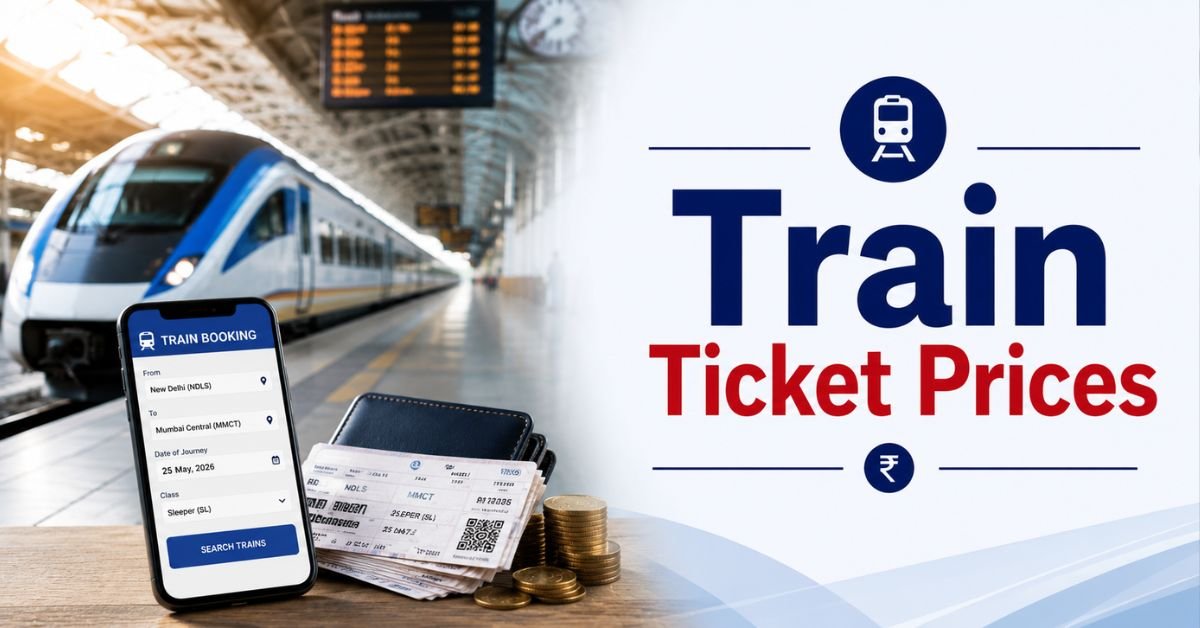
Train travel remains one of the most practical ways to travel between cities, especially for travellers who want a comfortable journey without the stress of driving or the higher cost of some flights. However, buying the right ticket can sometimes feel confusing because railways use different ticket types, travel classes, fare structures, reservation systems, and cancellation rules. This Train Tickets Explained guide breaks down the most important information in simple language so you can understand what you are paying for and choose a ticket that fits your journey.
Whether you are planning a short local trip, a long-distance journey, an overnight train ride, or an international rail adventure, understanding Train Tickets Explained can help you avoid unnecessary costs and booking mistakes. Ticket prices can depend on the route, travel class, booking time, demand, flexibility, passenger type, and railway operator. Some systems also offer discounted fares for early bookings, frequent travellers, children, students, seniors, or railcard holders.
Train Tickets Explained: What Is a Train Ticket?
A train ticket is proof that you have permission to travel on a particular railway service or route under the conditions shown on the ticket. Depending on the railway system, the ticket may show your departure station, destination, date, train number, class, seat or berth information, fare, and booking reference. In India, railway rules define a ticket as authority to enter railway premises or travel by railway, while reserved tickets can include a reserved seat or berth.
The Train Tickets Explained concept becomes easier when you understand that not every ticket provides the same level of flexibility. One ticket may allow you to travel on a specific train, while another may allow travel on multiple trains during a particular period. Some tickets are refundable, some have cancellation restrictions, and some are available only for a limited number of seats.
A modern train ticket can also be completely digital. Depending on the railway operator, you may receive an e-ticket through email, an app, SMS, or an online booking account. Other systems still use printed tickets or tickets collected from a station machine. Indian Railways, for example, provides online e-ticket booking through IRCTC, while its UTS mobile ticketing system supports paperless and paper-based ticket options for certain journeys.
Train Tickets Explained: Main Types of Train Tickets
Understanding the different types of tickets is one of the most important parts of Train Tickets Explained. The names vary between countries, but many railway systems have similar categories based on flexibility, booking time, travel period, and passenger requirements.
Single Train Tickets
A single or one-way ticket allows you to travel from one station to another in one direction. This is usually the simplest option for travellers who are not planning to return by train.
With Train Tickets Explained, a one-way ticket is often the best choice when your trip involves different destinations. For example, you might travel from London to Manchester and then continue by another form of transport, or travel from Delhi to Jaipur and return by flight.
Return or Round-Trip Tickets
A return ticket covers travel from your starting station to your destination and back. Depending on the railway operator, a return ticket may provide better value than buying two separate tickets.
The Train Tickets Explained approach is useful here because travellers should compare the total price rather than automatically assuming a return ticket is cheaper. Some operators offer special return fares, while others price the outbound and return journeys separately.
Advance Tickets
Advance tickets are designed for travellers who know their journey plans in advance. These tickets can be cheaper because they normally come with restrictions.
For example, National Rail in the UK explains that Advance tickets are generally limited to the date and train shown on the ticket and are sold in limited quantities.
The Train Tickets Explained rule for advance fares is simple: lower prices often come with less flexibility. If you know exactly when you want to travel, an advance fare may save money. If your plans could change, paying slightly more for a flexible ticket may be worthwhile.
Flexible Tickets
Flexible tickets allow you to change your travel plans within certain conditions. Different railway companies use different names, such as Anytime, Off-Peak, Flexible, or Semi-Flexible.
In the UK, for example, Anytime tickets offer broad travel flexibility, while Off-Peak tickets restrict travel to certain less busy periods.
The Train Tickets Explained takeaway is that flexibility has value. A cheap ticket is not necessarily the best ticket if changing your journey later would result in additional charges or make the ticket unusable.
Season Tickets
Season tickets are intended for people who travel regularly between the same locations or within a particular travel zone. Instead of buying an individual ticket for every journey, the passenger pays for travel over a defined period.
The Train Tickets Explained principle here is that season tickets make more sense when you travel frequently enough to justify the upfront cost. Depending on the railway system, season tickets may cover a week, month, year, or another defined period.
Platform Tickets
A platform ticket is different from a normal train travel ticket. It may allow a person to enter a railway station or platform without travelling on a train, depending on the local rules.
In India, the UTS mobile ticketing system lists journey tickets, season tickets, and platform tickets among the ticket types available through its system.
The Train Tickets Explained distinction is important because a platform ticket generally does not give you permission to occupy a passenger seat and travel to another station.
Train Tickets Explained: Understanding Travel Classes
Ticket price is strongly influenced by the class of travel. Railway systems may offer several classes, ranging from basic seating to premium cabins or private sleeping compartments.
In India, common reserved classes include options such as Sleeper Class, AC 3-Tier, AC 2-Tier, AC First Class, Chair Car, and Executive Class, although availability varies by train. The names and facilities can differ depending on the service.
The Train Tickets Explained approach to choosing a class should focus on your journey length and comfort requirements. For a short daytime journey, a basic reserved seat may be enough. For a long overnight trip, spending more on a sleeping berth or air-conditioned class may provide better comfort.
Economy and Standard Seating
Standard seating is generally designed for travellers who want a lower-cost option. These seats can be suitable for shorter journeys or travellers who prioritise price.
With Train Tickets Explained, remember that the cheapest class may have fewer services or less space than premium classes. Always check what is included before comparing prices.
First Class and Premium Classes
Premium classes normally offer more space, better seating, additional services, or a quieter environment. Some long-distance trains also provide meals, lounges, Wi-Fi, power outlets, or other facilities.
The Train Tickets Explained rule is to compare the complete travel experience, not just the ticket price. If a premium ticket includes services you would otherwise pay for separately, the higher fare may provide better overall value.
Sleeper and Overnight Tickets
For overnight journeys, sleeper tickets can make a major difference. Instead of sitting throughout the journey, passengers can use a sleeping berth or cabin.
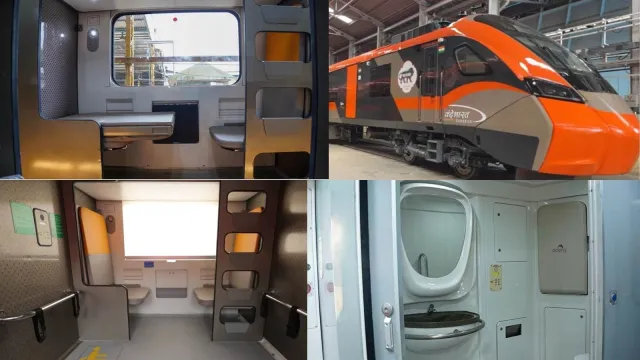
The Train Tickets Explained guide for overnight travel is simple: check whether bedding, meals, private compartments, or seat reservations are included before purchasing. Facilities vary significantly between railway operators and countries.
Train Tickets Explained: How Train Ticket Prices Are Calculated
One of the most common questions travellers ask is why two passengers can pay different prices for what appears to be the same train. The Train Tickets Explained answer is that fares can depend on several factors.
The most important factors include:
- Distance between stations
- Travel class
- Train type
- Booking date
- Travel date
- Demand
- Ticket flexibility
- Passenger category
- Discounts
- Railcards or loyalty programmes
- Reservation fees
- Service charges
- Optional extras
Some railway systems use relatively stable fare structures, while others use demand-based pricing. Early booking can therefore make a significant difference on certain routes.
National Rail advises that, as a general rule, booking earlier can provide access to better prices, particularly when Advance tickets are available.
The Train Tickets Explained lesson is to compare fares at different travel times before completing your booking. Travelling one or two hours earlier or later can sometimes provide a cheaper option.
Train Tickets Explained: Why Booking Early Can Save Money
Booking early is one of the easiest ways to reduce train travel costs when the railway operator uses limited discounted fares.
The Train Tickets Explained strategy is particularly useful for popular routes, weekends, public holidays, festivals, and major events. Cheap ticket categories may sell out before departure, leaving only more expensive flexible fares.
However, booking early is not always about finding the absolute cheapest price. You should also consider whether your plans are fixed. If you book a heavily restricted ticket and later need to change your journey, the savings may disappear through fees or the need to buy another ticket.
Train Tickets Explained: How to Book Train Tickets Online
Online booking has made train travel much easier because passengers can compare routes, departure times, classes, availability, and fares before paying.
The Train Tickets Explained booking process usually follows these steps:
- Select your departure station.
- Enter your destination.
- Choose your travel date.
- Select one-way or return travel.
- Enter the number of passengers.
- Compare available trains.
- Check travel class.
- Review the ticket conditions.
- Select your preferred seat or berth if available.
- Enter passenger information.
- Make the payment.
- Save your ticket and booking reference.
For Indian Railways, IRCTC’s official booking process allows users to enter the journey details, view available trains, check classes and fares, review availability, and select the Book Now option.
The Train Tickets Explained rule for online booking is to check every detail before payment. A small mistake in the departure station, destination, date, passenger information, or class can create problems later.
Train Tickets Explained: Booking Train Tickets in India
India has one of the world’s largest railway networks, and online train ticket booking is widely used for long-distance travel. IRCTC provides online railway ticket booking along with services for checking PNR status, train availability, fares, cancellations, refunds, and other passenger services.
The Train Tickets Explained guide for India should include an important distinction between confirmed, RAC, and waitlisted bookings. A confirmed reservation means a seat or berth has been allocated. RAC, or Reservation Against Cancellation, provides reserved sitting accommodation and may result in a berth becoming available if another passenger cancels.
Waitlisted tickets require additional attention because the final travel status can depend on cancellations and allocation processes. Always check the current booking status and applicable railway rules rather than assuming a waitlisted ticket will become confirmed.
For Indian travellers, the Train Tickets Explained process also means checking the PNR after booking. Your PNR can be used to check the current reservation status and other journey details.
Train Tickets Explained: Tatkal and Last-Minute Booking
Tatkal booking is an important option for some travellers in India who need to make reservations close to the journey date. Because availability can be limited, demand can be high.
The Train Tickets Explained approach to Tatkal booking is to prepare your passenger information and payment method before booking opens and to use the official railway booking system. Rules, timings, eligibility, and other conditions can change, so travellers should always check the current official IRCTC information before relying on older guides or social media tips.
Do not assume that a Tatkal ticket will always be cheaper. It is intended for short-notice travel and may have different fare structures and restrictions.
Train Tickets Explained: How to Find Cheap Train Tickets
Finding a cheap ticket is not simply about searching for the lowest displayed price. The Train Tickets Explained method is to compare several combinations.
Try different departure times, travel dates, classes, and ticket types. If your schedule allows flexibility, travelling during less busy periods may provide better value.
You can also compare nearby stations. Sometimes a major city has several stations, and a train from a less central station may offer a different price or more convenient availability.
The Train Tickets Explained strategy also recommends checking the total cost. A cheap ticket may require additional transportation to or from a station, while a slightly more expensive train from a central station could be cheaper overall.
Train Tickets Explained: Tips for Saving Money
Use these practical Train Tickets Explained tips when booking:
Book as Early as Practical
If your travel dates are fixed, search early. Some discounted ticket categories have limited availability.
Compare Different Departure Times
Morning, afternoon, evening, and overnight services can have different prices. A small schedule change may reduce the fare.
Compare Ticket Classes
Do not automatically select the cheapest class. Compare comfort, journey duration, and included services.
Look for Railcards or Discounts
Some countries provide railcards or discount programmes that reduce fares for eligible travellers. The Office of Rail and Road notes that railcards can reduce costs for travellers who use the railway multiple times.
Check Return Pricing
If you are returning by train, compare the cost of a return ticket with two individual tickets.
Travel Outside Peak Hours
If your schedule allows, consider less busy periods. Off-Peak tickets in systems such as the UK rail network can be cheaper than more flexible Anytime tickets.
Compare Nearby Stations
A different departure or arrival station can sometimes provide more affordable options.
Train Tickets Explained: What to Check Before Payment
Before completing your purchase, use this Train Tickets Explained checklist:
- Check the departure date.
- Check the departure station.
- Check the destination station.
- Confirm the train number and departure time.
- Check the travel class.
- Confirm passenger names and details.
- Check seat or berth information.
- Review the fare.
- Check cancellation conditions.
- Check change or rescheduling rules.
- Confirm baggage requirements.
- Check whether meals or other services are included.
- Save your booking reference.
- Keep a digital or printed copy of your ticket if required.
This final review can prevent many common booking mistakes.
Train Tickets Explained: Cancellation and Refunds
Cancellation rules are one of the most important parts of Train Tickets Explained because different tickets can have completely different refund conditions.
Flexible tickets may provide refunds subject to applicable conditions, while discounted advance tickets may have stronger restrictions. In the UK, for example, National Rail explains that Advance tickets are subject to specific restrictions, while different ticket types have different flexibility rules.
For Indian Railways, cancellation and refund rules depend on the ticket type, booking status, timing, and applicable railway rules. Always check the current official rules before cancelling.
The Train Tickets Explained lesson is simple: never buy a heavily restricted ticket without reading its cancellation conditions first.
Train Tickets Explained: Digital vs Printed Tickets
Digital tickets are increasingly common. They are convenient because travellers can store them on a smartphone and access booking information without carrying a physical ticket.
The Train Tickets Explained difference between digital and paper tickets depends on the railway operator. Some systems accept mobile tickets directly, while others require passengers to print a ticket or collect one from a station.
Indian Railways’ UTS system, for example, supports paperless tickets for certain journeys, while paper ticket bookings can require collection or printing at the station.
Before travelling, check whether your specific ticket must be printed. Do not rely solely on a screenshot if the railway operator requires the original digital ticket, app-based ticket, or another form of verification.
Train Tickets Explained: Common Booking Mistakes
Many train booking problems are caused by simple mistakes. The Train Tickets Explained guide recommends avoiding the following:
Choosing the wrong station: Large cities can have multiple railway stations.
Selecting the wrong date: Always check the departure date before payment.
Ignoring ticket restrictions: A cheap ticket may be tied to a particular train.
Not checking the class: Make sure the selected class matches your expectations.
Ignoring cancellation rules: Understand refund conditions before paying.
Using unofficial information: Railway rules can change, so confirm important details through the official railway operator.
Waiting too long: Limited discounted tickets can disappear as demand increases.
Train Tickets Explained: Final Booking Tips for Travellers
The best Train Tickets Explained strategy is to balance price, flexibility, comfort, and convenience. Do not choose a ticket solely because it has the lowest price.
If your plans are fixed, an advance or restricted ticket may offer excellent value. If your plans are uncertain, a flexible ticket may be worth paying more for. For regular travellers, season tickets or railcards may provide better long-term value.
Before travelling, keep your booking reference accessible and check the train’s departure information. If your journey is important, especially when connecting with a flight, hotel check-in, cruise, or another train, allow enough time for unexpected delays.
Train Tickets Explained: Frequently Asked Questions
What is the cheapest type of train ticket?
The cheapest ticket depends on the railway operator, route, travel time, demand, and availability. Train Tickets Explained generally recommends checking advance fares, off-peak options, discounts, and alternative travel times before buying.
Is it better to book train tickets early?
Often, yes. Train Tickets Explained shows that many railway systems release limited discounted tickets in advance. National Rail states that Advance tickets are limited and that booking early can provide access to lower fares.
What is an Advance train ticket?
An Advance ticket is normally purchased before travel and is usually restricted to a particular date and train. Train Tickets Explained recommends this option when your plans are fixed and you want to prioritise price over flexibility.
What is an Off-Peak ticket?
An Off-Peak ticket allows travel during specified less busy periods. Train Tickets Explained recommends checking the exact validity conditions because Off-Peak restrictions vary between railway systems.
What is a season ticket?
A season ticket provides travel for a defined period, such as a week, month, or year, and is generally designed for regular travellers. Train Tickets Explained suggests comparing the total cost with individual tickets before purchasing.
Can I change my train ticket?
It depends on the ticket type and railway operator. Train Tickets Explained recommends checking the change conditions before purchasing because restricted fares may have limited options.
What does RAC mean on an Indian train ticket?
RAC means Reservation Against Cancellation. Train Tickets Explained notes that an RAC passenger has reserved accommodation and may receive a berth if one becomes available through cancellations.
Can I book train tickets online?
Yes. Train Tickets Explained confirms that many railway operators offer online booking. In India, IRCTC provides online train ticket booking and related passenger services.
Should I choose a flexible ticket or a cheaper restricted ticket?
If your plans are fixed, the cheaper restricted ticket may be suitable. If there is a reasonable chance that you will change your travel plans, Train Tickets Explained recommends considering a flexible fare.
Must Read:
- Best Historical Tours in Rome: Landmarks and Walking Tours
- Best Adventure Tours in Thailand: Islands and Water Activities
- Best Family Activities in Singapore: Tours and Attractions
Final Thoughts:
Understanding train tickets does not have to be difficult. Once you know the difference between one-way, return, advance, flexible, off-peak, season, reserved, and other ticket types, comparing fares becomes much easier. The key message from Train Tickets Explained is that the best ticket is not always the cheapest ticket. It is the ticket that offers the right combination of price, flexibility, comfort, and convenience for your journey.
Before booking, compare several trains and departure times, check the travel class, read the ticket conditions, and confirm the cancellation rules. If you are travelling in India, use official Indian Railways and IRCTC information for current booking, fare, reservation, and refund rules. IRCTC provides facilities for train booking, PNR enquiry, fare and seat availability, cancellation, and refunds.
With these Train Tickets Explained tips, you can make more informed booking decisions and avoid many of the common mistakes that lead to unnecessary costs. Whether you are taking a short local journey, planning a long-distance railway adventure, or booking an overnight train, understanding your ticket before you pay can make the entire travel experience smoother.