Finding affordable train tickets can make a big difference to your overall travel budget. Whether you are planning a short city trip, a family holiday, a business journey, or a long-distance adventure, knowing How to Find Cheap Train Tickets can help you reduce unnecessary travel costs while still choosing a convenient service.
Train fares can vary depending on the travel date, departure time, route, train operator, ticket type, travel class, demand, and availability. Two passengers travelling on the same train may sometimes pay different prices because they booked at different times or selected different fare types.
The good news is that finding a better fare does not always require complicated planning. Comparing travel dates, checking different departure times, booking at the right time, looking for discounts, and understanding ticket restrictions can all help you save money.
This guide explains How to Find Cheap Train Tickets with simple and practical tips. You will learn how to compare fares, choose cheaper travel times, understand advance tickets, use discounts, compare routes, avoid common mistakes, and decide when a flexible ticket is worth paying more for.
Compare Different Travel Dates
One of the easiest ways to reduce your train fare is to be flexible with your travel date.
If your plans allow you to travel a day earlier or later, check multiple dates before booking. Train fares can vary significantly between different days, particularly around weekends, public holidays, school holidays, festivals, and major events.
For example, a Friday evening train may be more popular than a Tuesday afternoon service. Higher demand can mean fewer low-priced tickets are available.
When searching for tickets, compare:
- Your preferred date
- The day before
- The day after
- Weekday options
- Weekend options
- Holiday periods
- Less busy travel dates
A small change in your schedule can sometimes provide a meaningful saving.
Why Flexible Dates Can Save Money
Railway operators may offer different fare levels depending on availability and demand. When a particular service is popular, cheaper ticket categories may sell quickly.
If you can move your journey to a less busy day, you may have access to more affordable fares.
This is particularly useful for leisure travellers who do not have to travel on a specific date.
Check Different Departure Times
Travel time can have a major impact on the fare.
Popular morning and evening trains can be more expensive on some routes because they are convenient for commuters and business travellers. Less busy services may provide better prices.
When learning How to Find Cheap Train Tickets, do not search only for your ideal departure time. Compare several options throughout the day.
Try looking at:
- Early morning trains
- Morning services
- Midday trains
- Afternoon services
- Evening trains
- Late-night trains
You may find that leaving one or two hours earlier or later gives you a better price.
Consider Off-Peak Travel
Some railway operators offer lower fares during off-peak periods.
Off-peak travel can be especially useful when your schedule is flexible. However, check the exact conditions because off-peak rules vary between operators and routes.
An off-peak ticket may only be valid during specific times or on particular services.
Book Early When Possible
Booking early is one of the most commonly recommended ways to find better train fares.
Some railway operators release lower-priced tickets in advance. These fares may be available in limited quantities. Once the cheaper fare category sells out, the remaining tickets may cost more.
Early booking can also give you more choices for:
- Departure times
- Seats
- Travel classes
- Direct trains
- Ticket types
However, booking early does not automatically mean you should choose the cheapest ticket available.
If your plans are uncertain, check the cancellation and change rules before purchasing a restricted fare.
When Early Booking Works Best
Early booking can be particularly helpful for:
- Popular long-distance routes
- Weekend travel
- Holiday periods
- Major events
- Family travel
- Business travel
- High-demand services
For less busy routes, prices may not change as dramatically. Still, searching early gives you more time to compare your options.
Compare Direct and Connecting Routes
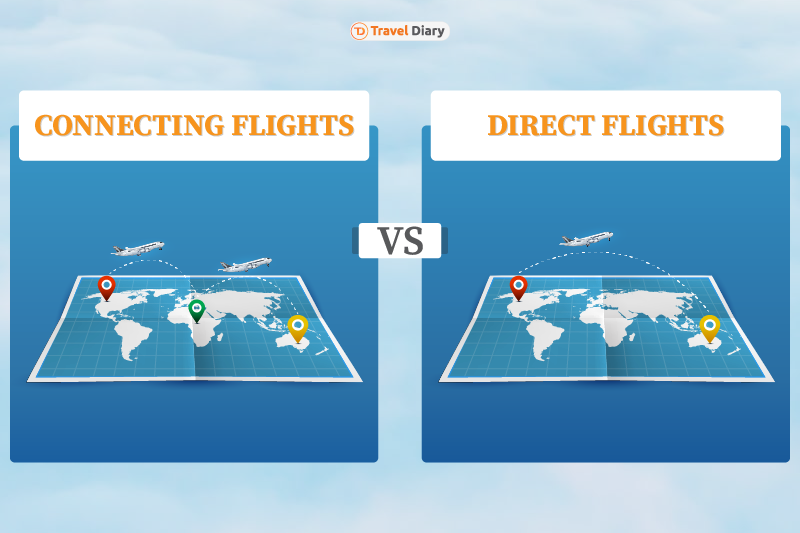
A direct train is often more convenient, but it is not always the cheapest option.
When searching for How to Find Cheap Train Tickets, compare direct services with routes that include one or more connections.
A connecting journey may have a lower fare, but you should consider the additional travel time and potential inconvenience.
For example, you might have:
Direct train: 3 hours, higher price
Connecting train: 4 hours 30 minutes, lower price
If saving money is your priority, the connecting service may be attractive. If time and convenience matter more, paying extra for the direct train may be worthwhile.
Check Connection Times
If you choose a connecting route, make sure there is enough time between trains.
A very short connection can become risky if the first train is delayed.
A longer connection may be safer, but it adds to your total travel time.
Always compare the complete journey rather than looking only at the ticket price.
Compare One-Way and Return Tickets
If you are travelling to a destination and returning later, compare the cost of a return ticket with two separate one-way tickets.
Some railway operators offer special return fares, while others may provide similar or better prices when each journey is booked separately.
Check both options.
When Two One-Way Tickets May Be Better
Separate tickets may be useful when:
- Your return date is different from the original plan
- You are returning from another city
- Different operators are being used
- One direction has a special fare
- You want different departure times
When a Return Ticket Can Be Useful
A return ticket may be convenient when:
- Your travel dates are fixed
- The operator provides a discounted return fare
- You want one simple booking
- The conditions match your plans
Never assume one option is automatically cheaper.
Understand Advance Train Tickets
Advance tickets can be an excellent option for travellers who know their plans.
These tickets are often sold at lower prices but may have restrictions. In many cases, they are tied to a specific train and date.
If you know exactly when you want to travel, an advance fare can provide good value.
However, read the rules before purchasing.
Check:
- Whether the ticket is refundable
- Whether the ticket can be changed
- Whether you must use a specific train
- Whether a change fee applies
- What happens if you miss the train
Do Not Choose a Cheap Restricted Ticket Automatically
A very cheap ticket can become expensive if your plans change.
For example, suppose you save $20 by choosing a restricted fare. If you later need to change your travel date and must purchase another ticket, the original saving may disappear.
Think about the certainty of your plans before deciding.
Consider Flexible Tickets
Flexible tickets can cost more, but they may provide greater freedom.
Depending on the railway operator, a flexible ticket may allow changes to your travel date or departure time.
This can be useful for:
- Business travellers
- Uncertain schedules
- Long trips
- Meetings
- Events
- Travellers connecting with flights
If your plans are fixed, a restricted fare may be better. If your plans could change, the additional cost of flexibility may be worthwhile.
Look for Railcards and Discounts
Discount programmes can significantly reduce travel costs for eligible passengers.
Depending on the railway network, discounts may be available for:
- Students
- Children
- Seniors
- Young travellers
- Families
- Frequent travellers
- Other eligible groups
Before booking, check whether you qualify for any available discount.
Calculate Whether a Railcard Is Worth It
Some railcards and discount memberships have an upfront cost.
Before purchasing one, estimate how much you expect to spend on train travel.
For example, if a railcard costs $40 and you expect to save $100 during several journeys, it may be worthwhile.
If you only plan to take one short trip, the cost of the card may not be justified.
Always calculate the expected saving instead of assuming a discount card will automatically save money.
Compare Rail Passes With Individual Tickets
Rail passes can be useful when you are planning several train journeys.
A pass may provide travel across a particular region or network for a specified period.
However, a rail pass is not always cheaper.
Make a list of the journeys you expect to take and calculate the cost of buying individual tickets.
Then compare that total with the rail pass price.
Also check whether reservations, supplements, or other charges are required.
When a Rail Pass May Be Useful
A rail pass can be attractive when:
- You are visiting multiple destinations
- You want flexibility
- You plan several long journeys
- Individual fares are relatively expensive
- You want to travel frequently during a fixed period
For only one or two journeys, individual tickets may provide better value.
Search Alternative Stations
Another useful tip for How to Find Cheap Train Tickets is to compare nearby railway stations.
Large cities often have multiple stations. One station may have cheaper services or more frequent trains than another.
However, remember to calculate the cost of reaching the station.
A train ticket that is $15 cheaper may not save money if you need to spend $20 on a taxi to reach the alternative station.
Check Both Departure and Arrival Stations
Look at the complete journey.
Consider:
- Station location
- Public transport
- Taxi costs
- Walking distance
- Parking
- Hotel location
- Final destination
A slightly more expensive train may actually be cheaper overall if it uses a convenient station.
Avoid Peak Travel Periods
Peak travel periods can have higher demand and fewer cheap tickets.
These can include:
- Friday evenings
- Sunday evenings
- Public holidays
- School holidays
- Festival periods
- Major sporting events
- Large concerts
- Popular travel weekends
If possible, move your journey to a quieter period.
Travel Midweek
Midweek travel can sometimes provide more availability than busy weekend journeys.
Try comparing Tuesday, Wednesday, and Thursday services with Friday or Sunday options.
Prices depend on the specific route, so always check before making assumptions.
Compare Travel Classes
Travel class can have a significant impact on the final price.
Standard class is usually more affordable than first class.
If your main objective is saving money, standard class may be the better choice.
First class may provide additional space, quieter seating, workspace, food, or other services depending on the train.
Before upgrading, ask whether the extra comfort is worth the additional cost.
For a short journey, standard class may be perfectly adequate.
For a long business journey, first class could be more valuable.
Choose Your Seat Carefully
Seat selection can sometimes affect the final cost.
Some railway operators include seat selection, while others may charge an additional fee.
If choosing a specific seat costs extra, decide whether it is necessary.
Window Seats
Window seats are popular with travellers who want to enjoy the scenery.
Aisle Seats
Aisle seats are useful if you expect to move around during the journey.
Table Seats
Table seats can be helpful for working, studying, eating, or travelling with family.
Quiet Areas
Quiet carriages can be useful for passengers who want to read, work, or relax.
If your priority is saving money, do not pay for a seat upgrade unless it provides meaningful value for your journey.
Check the Total Cost
When comparing fares, look beyond the advertised ticket price.
The total cost may include:
- Ticket fare
- Booking fee
- Seat reservation
- Local transport
- Taxi
- Parking
- Food
- Additional luggage
- Accommodation
For example, a cheaper train may leave from a station that requires an expensive taxi ride.
A slightly more expensive train from a nearby station could actually be the cheaper option overall.
Check Luggage Rules
Luggage requirements can affect your travel costs.
Some railway operators have generous baggage policies, while others may have restrictions on size, quantity, or special equipment.
Before booking, check:
- Number of bags allowed
- Weight restrictions
- Size limits
- Luggage storage
- Oversized baggage
- Bicycle rules
- Sports equipment
If additional luggage costs money, include those charges when comparing ticket prices.
Check Cancellation and Refund Policies
Always read the ticket conditions before payment.
A cheap ticket may have strict rules.
Check whether the ticket allows:
- Cancellation
- Refunds
- Date changes
- Time changes
- Rescheduling
Also check whether there are deadlines or fees.
A flexible ticket may cost more initially but could save money if your plans change.
Use Reliable Booking Sources
When searching for How to Find Cheap Train Tickets, use official railway websites, official apps, station ticket offices, or authorised booking platforms.
Reliable booking sources can provide current information about:
- Fares
- Train schedules
- Seat availability
- Ticket conditions
- Discounts
- Cancellations
- Service disruptions
Avoid making important travel decisions based only on outdated information.
Check Prices Before Paying
Before completing your booking, review the entire order.
Check:
- Travel date
- Departure station
- Arrival station
- Train number
- Departure time
- Arrival time
- Passenger information
- Travel class
- Seat
- Ticket type
- Fees
- Final price
A few seconds of checking can prevent expensive mistakes.
Book Online When Convenient
Online train booking makes it easier to compare multiple services before purchasing.
You can often search different dates, departure times, ticket categories, and routes from your phone or computer.
Online booking may also provide access to digital tickets and booking confirmations.
However, always make sure you are using a legitimate booking source.
Consider the Value of Your Time

Saving money is important, but your time also has value.
Suppose one train costs $25 and takes two hours.
Another costs $15 but takes five hours and requires two connections.
The cheaper train saves $10 but adds three hours to your journey.
If you are travelling for business or have limited holiday time, paying more for the faster service may make sense.
The best fare is not always the lowest fare. It is the option that provides the best balance between cost, time, comfort, and convenience.
Common Mistakes to Avoid
Knowing what not to do can make it easier to find better fares.
Booking the First Train You See
Always compare several options when possible.
Searching Only One Date
Check nearby dates if your schedule allows.
Ignoring Departure Times
A different departure may offer a better fare.
Choosing Only by Price
Consider travel time, connections, flexibility, and convenience.
Forgetting Discounts
Check whether you qualify for a railcard or other discount.
Ignoring Additional Costs
Include booking fees and local transport.
Not Reading Ticket Conditions
A cheap restricted ticket may not suit your plans.
Choosing a Poor Connection
Allow enough time between trains.
A Simple Strategy for Saving Money
If you want a straightforward approach, follow these steps.
Step 1: Search Your Preferred Journey
Enter your departure station, destination, and preferred date.
Step 2: Compare Nearby Dates
Check whether travelling one day earlier or later provides a lower fare.
Step 3: Compare Departure Times
Look at morning, afternoon, evening, and off-peak services.
Step 4: Compare Routes
Check direct and connecting trains.
Step 5: Compare Ticket Types
Look at advance, flexible, off-peak, and other available fares.
Step 6: Check Discounts
Look for railcards and passenger discounts.
Step 7: Review the Complete Cost
Include fees, seat reservations, and local transport.
Step 8: Read the Conditions
Make sure the ticket matches your plans.
Step 9: Book the Best Option
Choose the ticket that offers the right combination of price and convenience.
Cheap Train Ticket Checklist
Before purchasing, use this quick checklist:
- Compare several travel dates
- Check different departure times
- Look for off-peak services
- Compare direct and connecting trains
- Check advance fares
- Review flexible ticket options
- Look for discounts
- Check railcard savings
- Compare one-way and return fares
- Compare nearby stations
- Check travel class
- Review seat costs
- Check luggage rules
- Check cancellation conditions
- Review change fees
- Include additional costs
- Confirm passenger details
- Check the final price
FAQs:
How can I find cheap train tickets?
To find cheaper fares, compare different travel dates, departure times, routes, ticket types, and travel classes. Booking early, travelling outside peak periods, and checking eligible discounts can also help.
Is it cheaper to book train tickets early?
Booking early can provide access to lower-priced fare categories on some routes. It can also give you more choices for seats and departure times. However, railway pricing policies vary.
What is the cheapest time to travel by train?
There is no universal cheapest time. Less busy periods may offer lower fares on some routes. Compare early morning, afternoon, evening, and off-peak services before booking.
Are advance train tickets cheaper?
Advance tickets can be cheaper when available, particularly when purchased for a specific train and date. They often come with restrictions, so check the conditions before booking.
Can changing my travel date save money?
Yes. If your schedule is flexible, comparing nearby dates can sometimes reveal lower fares.
Are flexible train tickets worth the extra cost?
Flexible tickets can be worthwhile if your plans may change. If your schedule is fixed, a cheaper restricted fare may be more suitable.
Can a railcard save money?
A railcard can reduce fares for eligible passengers. Calculate the expected savings against the cost of the card to determine whether it is worthwhile.
Should I choose a connecting train to save money?
A connecting train can sometimes be cheaper than a direct service. However, consider the additional travel time and connection risk before choosing it.
Must Read:
- Train Booking Guide: Routes, Times and Ticket Prices
- Train Ticket Prices: Costs, Savings and Booking Tips
- Online Train Booking: Tickets, Routes and Travel Tips
Final Thoughts:
Learning How to Find Cheap Train Tickets does not require complicated strategies. The most effective approach is to compare your options carefully and understand what you are actually paying for.
Start by checking several travel dates and departure times. If your schedule is flexible, avoid the busiest periods and compare midweek services. Look at direct and connecting routes, but consider the extra time and potential inconvenience of changing trains.
Advance fares can provide excellent value when your plans are fixed, while flexible tickets may be worth paying more for when your schedule is uncertain. Discounts, railcards, and rail passes can also reduce costs when they match your travel needs.
Do not forget to compare nearby stations and calculate the complete cost of your journey. A cheap train ticket may not be a genuine saving if it requires expensive local transport or additional fees.
Before paying, check the ticket conditions, cancellation rules, luggage requirements, seat costs, passenger details, and final price. A few minutes of comparison can help you avoid unnecessary expenses.
Most importantly, remember that the cheapest ticket is not always the best ticket. The right choice should balance price, travel time, comfort, convenience, and flexibility.
With these simple strategies, travellers can become more confident when comparing fares and make smarter decisions when booking their next train journey.