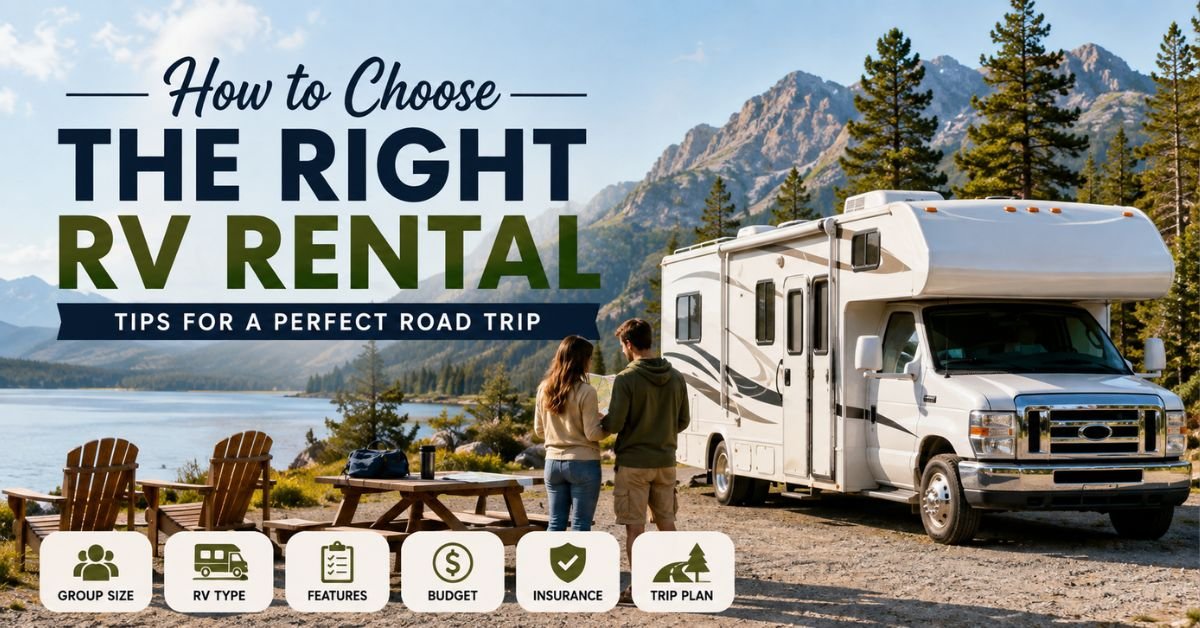
Planning a road trip with an RV can give you the freedom to travel at your own pace, stop whenever you want, and enjoy more flexibility than a traditional holiday. However, choosing the right vehicle is one of the most important decisions you will make before your journey. How to Choose the Right RV Rental depends on several factors, including the number of travellers, trip length, driving experience, budget, sleeping arrangements, storage, and the type of roads you plan to use.
An RV that works perfectly for a couple on a weekend getaway may not be suitable for a family taking a two-week road trip. Likewise, a large motorhome may offer plenty of space but can be more difficult to drive and park. The best choice is an RV that gives you the right balance of comfort, practicality, features, and cost.
This guide explains How to Choose the Right RV Rental step by step. From understanding different RV types to checking rental costs, mileage, insurance, storage, and campsite requirements, you will have the information you need to make a confident booking decision.
Why Choosing the Right RV Matters
Choosing the right RV can directly affect how comfortable and enjoyable your road trip will be. The vehicle becomes your transportation, sleeping space, kitchen, storage area, and sometimes even your bathroom. Because of this, selecting an RV based only on its appearance or daily price can lead to problems later.
When considering How to Choose the Right RV Rental, think about how you will actually use the vehicle during your trip. Will you spend most of your time sightseeing outdoors? Will you cook your own meals? Will you travel with children? Do you need a private bathroom? Will you drive through busy cities or mostly use highways?
Match the RV to Your Travel Style
Every traveller has different priorities. Some people want a compact vehicle that is easy to drive and park. Others want a spacious motorhome with a full kitchen, bathroom, comfortable beds, and plenty of living space.
If your priority is flexibility and easy driving, a smaller RV may be the better choice. If comfort and space are more important, a larger motorhome may be worth considering.
The key to How to Choose the Right RV Rental is matching the vehicle to your actual travel style rather than simply selecting the biggest RV available.
Consider Comfort as Well as Convenience
A road trip can involve several hours of driving each day. You may also spend evenings inside the RV preparing meals, relaxing, or sleeping. A vehicle that feels comfortable during the first few hours may feel very different after several days.
Think about seating, sleeping areas, ventilation, storage, kitchen space, and bathroom facilities before booking. The more nights you spend in the RV, the more important these features become.
Consider Your Travel Requirements
Before looking at specific RVs, define your basic travel requirements. This makes How to Choose the Right RV Rental much easier because you can eliminate unsuitable options before comparing prices.
Start by writing down the number of travellers, trip duration, destinations, expected driving distance, preferred amenities, and approximate budget.
Number of Travellers
The number of people travelling is one of the first things to consider. An RV for two adults can be much smaller than an RV for a family of five or six.
Check both the passenger capacity and sleeping capacity. These numbers are not always the same. An RV might have enough seatbelts for several people but provide limited sleeping space.
Also consider how much personal space everyone needs. A family may technically fit into a compact RV, but a larger vehicle could make a long journey more comfortable.
Length of Your Trip
Trip duration plays a major role in How to Choose the Right RV Rental. For a short weekend trip, you may not need many amenities. For a longer journey, additional space and facilities can make a significant difference.
A compact campervan can work well for short adventures, especially if you plan to spend most of your time outdoors. For longer trips, you may prefer a motorhome with a larger living area, proper kitchen, bathroom, and more storage.
Think about your daily routine as well. If you expect to spend several hours inside the RV every evening, prioritise comfort and usable living space.
Type of Road Trip
Your route can influence which RV is most suitable. A large motorhome may be ideal for major highways and spacious campsites, but it can be less convenient in crowded cities or on narrow roads.
If your journey includes urban areas, mountain roads, small towns, or remote destinations, check whether the vehicle’s dimensions are suitable.
When learning How to Choose the Right RV Rental, consider the entire route instead of choosing a vehicle first and trying to make the route work around it.
Choose the Right RV Type
Understanding different RV categories is essential when deciding How to Choose the Right RV Rental. Each type has advantages and limitations, so the right choice depends on your group and travel plans.
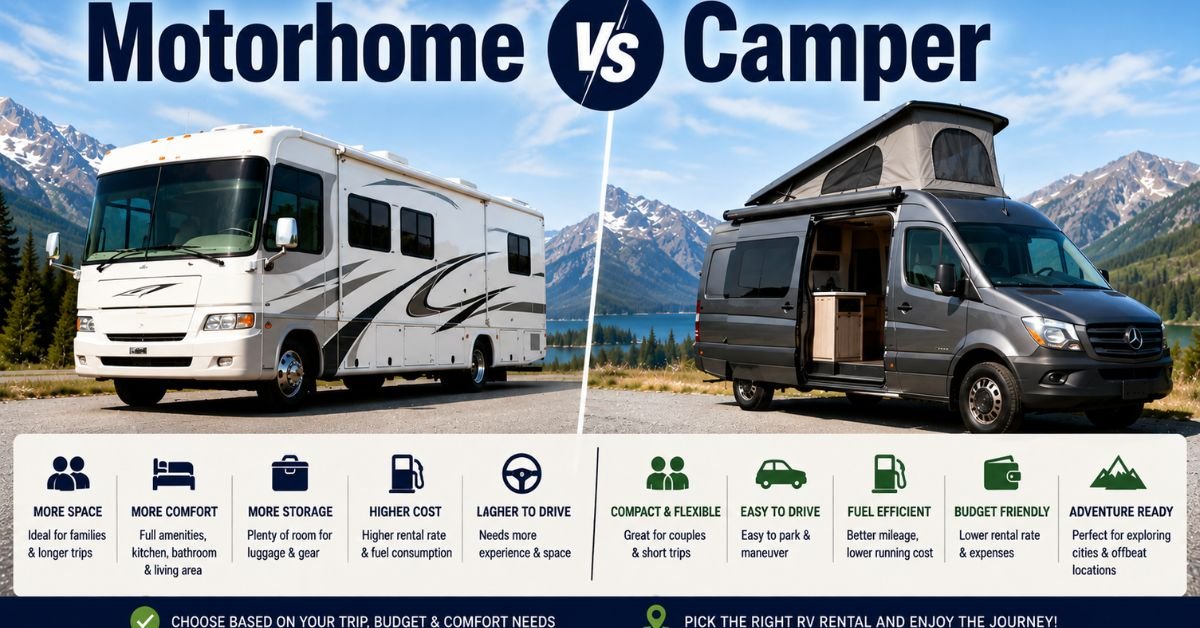
Class A Motorhome
Class A motorhomes are generally large vehicles designed to provide a spacious living environment. Depending on the model, they can include large sleeping areas, kitchens, bathrooms, dining spaces, entertainment systems, and substantial storage.
They can be a good option for larger families or travellers who want maximum interior comfort.
However, their size can make them more challenging to drive and park. Fuel consumption may also be higher than with smaller RVs.
If your priority is space and you are comfortable driving a large vehicle, a Class A motorhome may be worth considering.
Class B Campervan
Class B RVs are typically compact campervans built on van-style platforms. Their smaller dimensions can make them easier to drive, park, and manoeuvre.
They are often suitable for solo travellers and couples who prioritise mobility. A Class B vehicle can also be convenient for road trips that include city visits or destinations with limited parking.
The trade-off is interior space. Storage, sleeping areas, and kitchen facilities may be smaller than those found in larger motorhomes.
Class C Motorhome
Class C motorhomes offer a middle ground between Class A and Class B vehicles. They are generally larger than campervans but smaller and easier to handle than many large Class A motorhomes.
Many Class C models feature an over-cab sleeping area, additional beds, kitchen facilities, storage, and bathroom space.
For families and first-time RV travellers, a Class C can provide a useful combination of space and practicality.
Check Important RV Features
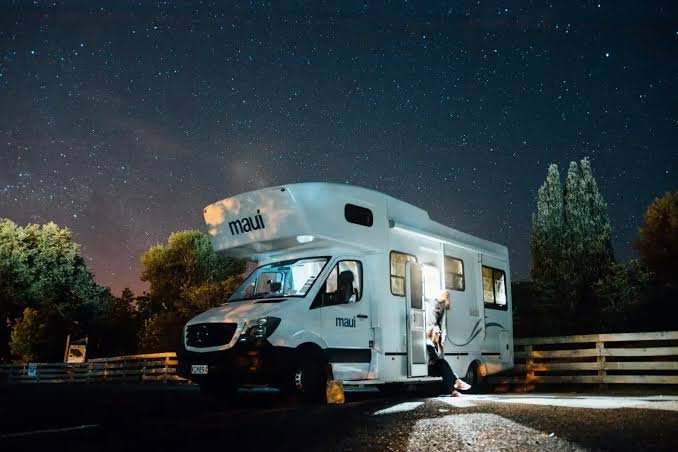
Once you know which RV type may suit you, compare the specific features available in each vehicle. Two RVs in the same category can have very different layouts and amenities.
This is an important part of How to Choose the Right RV Rental because the floor plan and features can affect your daily experience.
Sleeping Arrangements
Check exactly how many people the RV can sleep and where those beds are located.
Some RVs have permanent beds, while others use convertible dining areas or sofas. If beds need to be converted each night, consider whether that arrangement will be convenient for your group.
Families may prefer separate sleeping areas or bunk beds. Couples may prioritise a larger permanent bed.
Also check bed dimensions rather than relying only on the stated sleeping capacity.
Kitchen Facilities
If you plan to cook during your road trip, pay close attention to the kitchen.
Check whether the RV includes a refrigerator, sink, cooking area, microwave, oven, storage cupboards, and other useful equipment.
A small kitchen may be perfectly adequate if you plan to prepare simple meals. If you intend to cook regularly, additional counter space and storage can be valuable.
When considering How to Choose the Right RV Rental, think about your normal eating habits and how much cooking you expect to do.
Bathroom and Shower
Bathroom facilities can become especially important during longer trips.
Some RVs include a full bathroom with a shower, toilet, and sink. Others may have smaller bathroom facilities or fewer amenities.
If you are comfortable using campground facilities, you may not need a large bathroom. Families and travellers who prefer greater privacy may want an RV with a dedicated bathroom and shower.
Always check the exact bathroom configuration before booking.
Storage Space
Storage is easy to overlook when researching How to Choose the Right RV Rental, but it can become a major issue once your trip begins.
You may need space for clothing, food, toiletries, outdoor equipment, cooking supplies, and personal items.
Before choosing an RV, think about everything you intend to bring. If you are travelling with bicycles, sports equipment, camping gear, or other bulky items, check whether the RV has suitable storage.
Avoid overpacking because excessive luggage can reduce living space and make the RV feel cramped.
Consider the Total RV Rental Cost
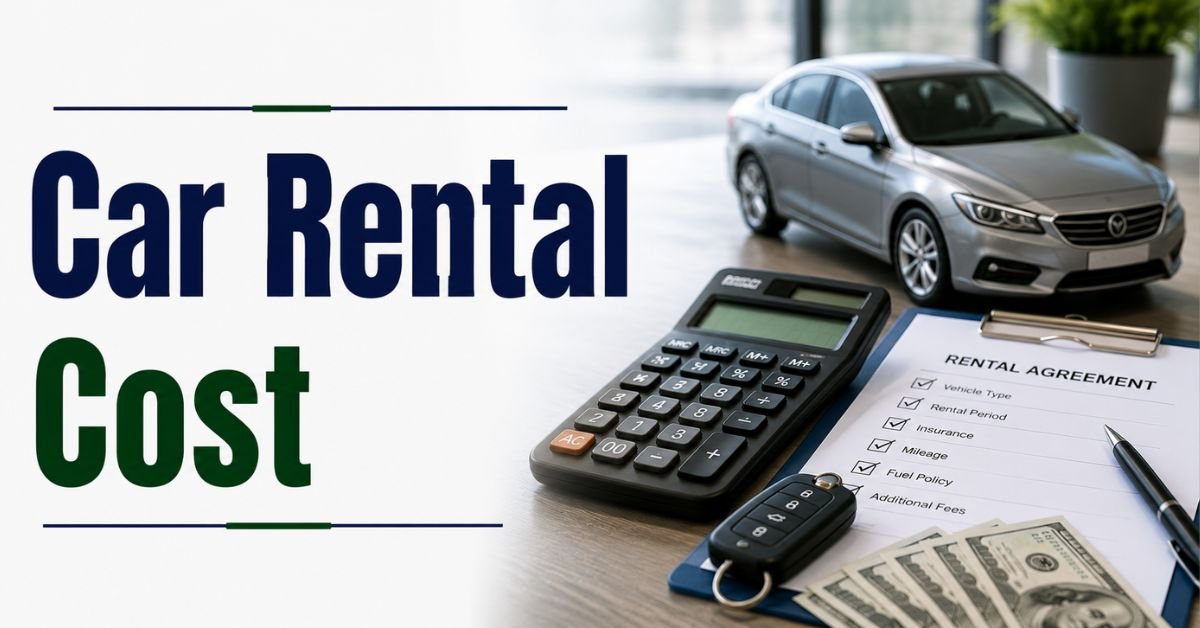
The advertised daily rental price does not always represent the total cost of an RV trip. You may also need to consider fuel, mileage, insurance, deposits, campsite fees, cleaning fees, equipment rental, and other charges.
Understanding the complete cost is an important part of How to Choose the Right RV Rental.
Daily Rental Price
Start by comparing the base rental price of different vehicles.
However, do not automatically choose the cheapest option. A low daily rate may come with additional charges or fewer included features.
Look at what is included in the quoted price and compare similar vehicles before making a decision.
Fuel and Mileage
Fuel can become a significant expense on a long road trip. Larger RVs may use more fuel than smaller vehicles, depending on the model and driving conditions.
Mileage policies also vary between rental providers. Some rentals may include a certain mileage allowance, while additional miles may result in extra charges.
Before booking, estimate your expected driving distance and check the mileage terms carefully.
Insurance and Deposits
Insurance should always be included in your RV rental research.
Check what coverage is included, whether additional protection is available, what exclusions apply, and whether a deductible is required.
You should also understand the security deposit and the conditions under which it can be refunded.
When researching How to Choose the Right RV Rental, read the rental agreement instead of relying only on the headline price.
Additional Rental Fees
Other charges may include cleaning, generator use, additional drivers, equipment, late returns, or specific services.
The exact fees depend on the rental provider and vehicle.
Ask for a complete cost breakdown before confirming your booking so you can compare options fairly.
Think About Driving and Parking
Driving an RV is different from driving a standard car. Vehicle height, width, length, and weight can affect how the RV handles on the road.
Your driving experience should therefore be an important factor in How to Choose the Right RV Rental.
Your Driving Experience
If you have never driven an RV before, a smaller vehicle may be easier to manage.
Large motorhomes require more awareness when turning, reversing, changing lanes, entering fuel stations, and parking.
Before starting your journey, familiarise yourself with the vehicle and practise basic manoeuvres where possible.
Pay particular attention to mirrors, blind spots, vehicle clearance, and turning space.
RV Size and Manoeuvrability
Bigger is not always better.
A large RV can provide more comfort, but it may be harder to manoeuvre in small campsites, narrow streets, car parks, and fuel stations.
A compact RV may provide greater flexibility, especially if your trip includes cities and smaller destinations.
When deciding How to Choose the Right RV Rental, consider whether you will be comfortable handling the vehicle throughout the entire trip.
Route and Road Conditions
Your planned route should influence the vehicle you choose.
Check road restrictions, height clearances, parking limitations, and campsite access before travelling.
If your journey includes narrow mountain roads or urban streets, a smaller RV may be more practical.
Planning your route in advance can also reduce unnecessary driving and help you estimate fuel and mileage costs.
Compare RV Rental Options
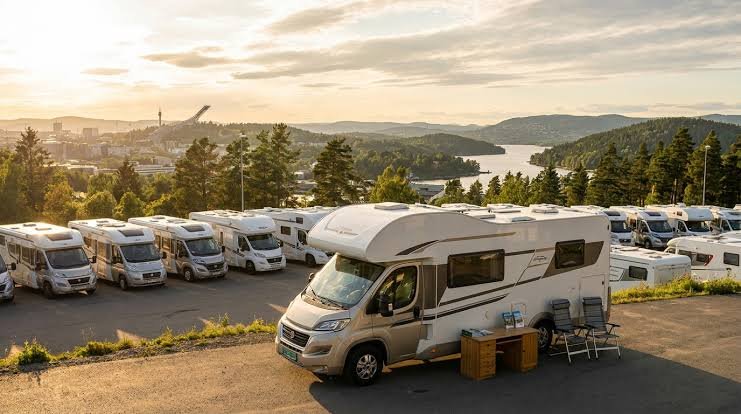
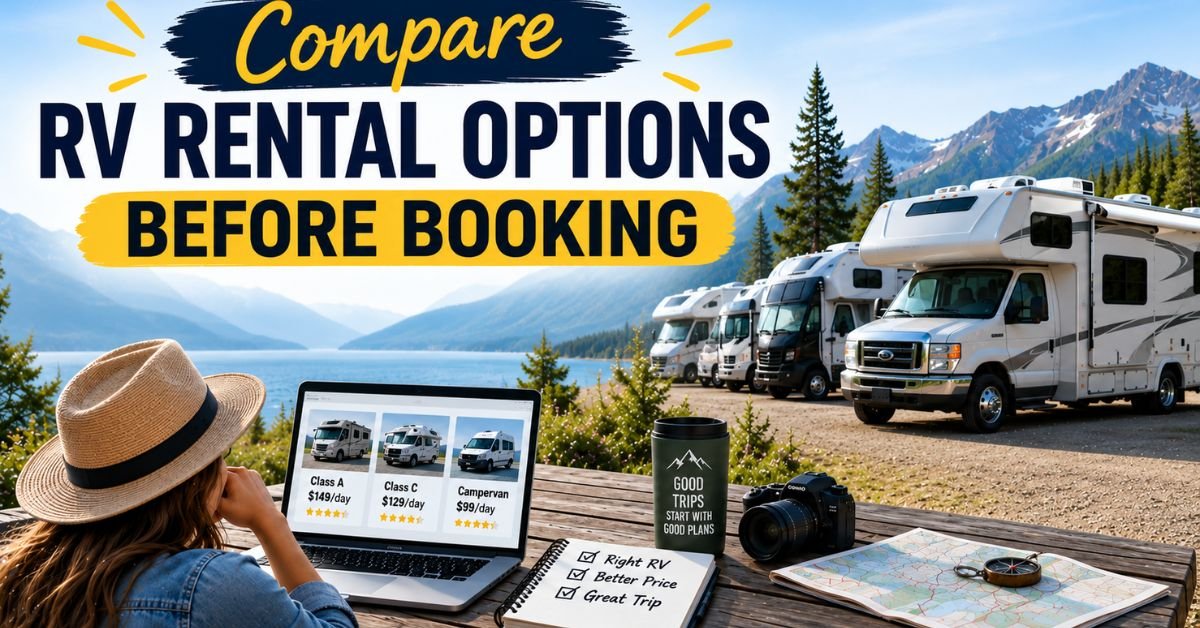
Once you understand your needs, compare several RV rental options rather than booking the first vehicle you find.
Check Rental Policies
Read the rental terms carefully before making a reservation.
Check policies for mileage, fuel, pets, smoking, additional drivers, cancellations, cleaning, late returns, and deposits.
If something is unclear, contact the rental provider before booking.
Compare Included Features
Create a simple comparison between your shortlisted RVs.
Look at:
- Sleeping capacity
- Bed configuration
- Kitchen equipment
- Bathroom facilities
- Storage
- Air conditioning and heating
- Mileage allowance
- Insurance
- Additional fees
- Pickup and return arrangements
This makes it easier to see which RV provides the best overall value.
Read Customer Reviews
Customer reviews can provide useful information about the rental experience.
Look for comments about vehicle condition, cleanliness, communication, pickup procedures, customer service, and whether the vehicle matched its description.
Do not rely on a single review. Look for repeated patterns across multiple customer experiences.
Plan Your RV Trip Before Booking
Planning your trip before booking can help you make a better vehicle choice.
Check Campsite Requirements
Campsites may have restrictions based on vehicle size.
Before choosing a large RV, check whether your preferred campsites can accommodate its length and height.
If you already have specific campsites in mind, compare their vehicle requirements with the RV you are considering.
Plan Your Route
A basic route plan can help you estimate driving distance, fuel consumption, mileage, and overnight stops.
You do not need to plan every minute of your trip. However, knowing your main destinations can make How to Choose the Right RV Rental much easier.
Think about where you will stay, where you will refuel, and whether your route includes difficult roads or limited parking.
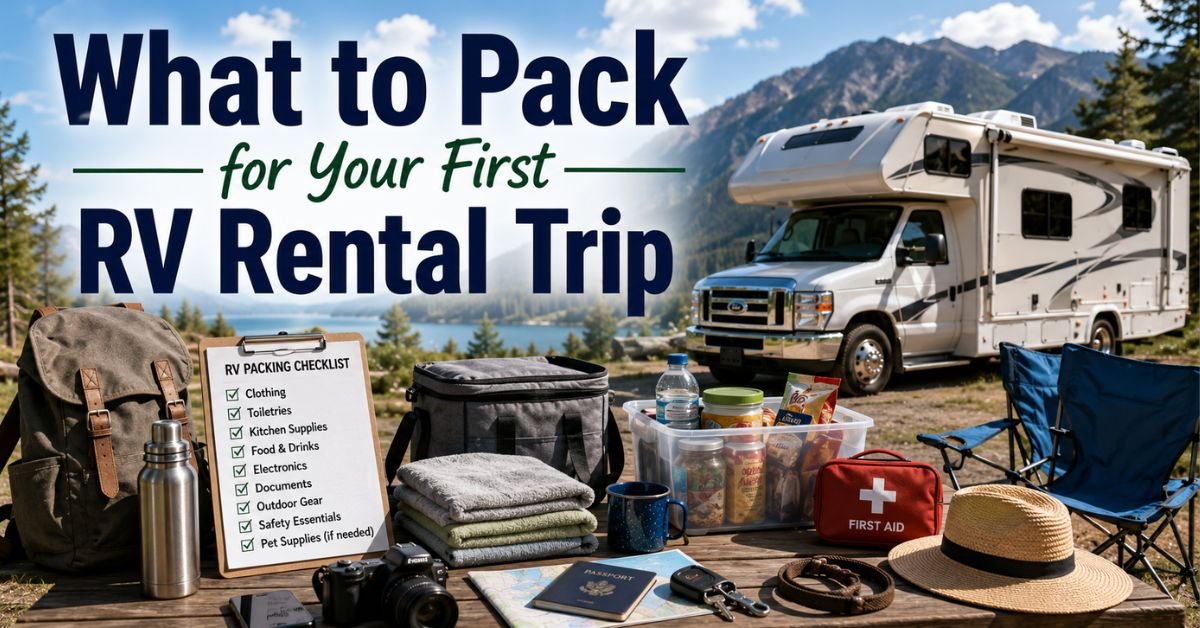
Prepare a Packing List
Your packing needs can help determine how much storage space you require.
Make a list of clothing, food, toiletries, cooking equipment, electronics, outdoor gear, and other essentials.
Then compare your list with the available storage in the RV.
A vehicle with enough storage can make your trip much more comfortable.
Common RV Rental Mistakes to Avoid
Even experienced travellers can make mistakes when booking an RV. Avoiding common problems is an important part of How to Choose the Right RV Rental.
Choosing an RV That Is Too Large
A large RV can look impressive, but more space also means greater size and potentially more challenging driving.
Choose a vehicle that provides enough space without exceeding what you are comfortable driving.
Focusing Only on the Daily Price
The cheapest rental is not always the best value.
Always consider mileage, insurance, fuel, deposits, cleaning, equipment, and other potential charges.
Compare the estimated total cost instead of just the advertised daily rate.
Ignoring Mileage Limits
If your trip involves a lot of driving, mileage charges can significantly affect your final cost.
Always check the mileage policy before booking and estimate your route in advance.
Not Checking Insurance
Do not assume that your existing insurance automatically provides the coverage you need.
Review the rental company’s insurance terms and understand your responsibilities before taking the vehicle.
Forgetting About Storage
A vehicle may have enough beds for your group but still lack sufficient storage.
Think about what everyone will bring and make sure there is enough space for luggage and supplies.
RV Rental Booking Checklist
Before confirming your reservation, review the following points:
- Number of travellers
- Sleeping capacity
- Bed sizes and layouts
- Trip duration
- RV type
- Vehicle dimensions
- Driving requirements
- Kitchen facilities
- Bathroom facilities
- Storage capacity
- Mileage allowance
- Estimated fuel costs
- Insurance coverage
- Security deposit
- Additional fees
- Pet policy
- Additional driver rules
- Cancellation policy
- Pickup location
- Return location
- Campsite compatibility
- Route and road conditions
This checklist can help you make a more informed decision and avoid unexpected problems.
Must Read:
- How to Book Train Tickets Online: A Complete Guide
- How to Find Cheap Train Tickets: Easy Saving Tips
- Train Booking Guide: Routes, Times and Ticket Prices
Final Thoughts:
Knowing How to Choose the Right RV Rental does not mean finding the largest or cheapest vehicle. The right RV is the one that matches your travel group, route, budget, driving experience, and comfort requirements.
Start by deciding how many people will travel with you and how long you will be away. Then consider the type of RV that fits your trip. Compare Class A, Class B, and Class C options based on size, layout, driving requirements, sleeping arrangements, kitchen facilities, bathrooms, and storage.
Next, look beyond the basic rental price. Check mileage, fuel costs, insurance, deposits, cleaning charges, and other possible fees. Understanding the complete cost can help you avoid surprises and choose an option that fits your budget.
Your route also matters. If you plan to visit cities, narrow roads, or smaller campsites, a compact RV may offer more flexibility. If your journey focuses on long highway drives and spacious campsites, a larger motorhome may provide greater comfort.
Ultimately, How to Choose the Right RV Rental comes down to matching the vehicle with the way you want to travel. Take time to compare your options, read the rental terms, review the vehicle’s features, and plan your route before booking.
With the right RV, the journey can become just as enjoyable as the destination. A well-chosen vehicle can give you a comfortable place to sleep, prepare meals, store your belongings, and relax while exploring new places. Careful planning before your reservation can help you enjoy a smoother, more comfortable, and more memorable road trip.