Planning an RV road trip can be an exciting way to travel, but one of the first questions most travellers ask is, how much does an RV rental cost? The answer depends on several factors, including the type of RV, rental location, travel season, rental duration, vehicle age, mileage, insurance, campground fees, and optional extras.
In 2026, RV rental prices can range from around $50 to $450 or more per night, depending on the type and quality of the vehicle. Travel trailers and smaller campers are generally among the more affordable choices, while larger Class A motorhomes can cost several hundred dollars per night. Current rental-market guides also show that the advertised nightly rate is only part of the total trip budget. Fuel, campgrounds, insurance, mileage, cleaning, generator use, and other charges can increase the final amount significantly.
If you are researching RV rental cost before booking, it is important to look beyond the headline price. A rental that costs $100 per night may not necessarily be cheaper than one priced at $150 per night if the first option has higher mileage charges, fewer included features, or requires additional equipment.
This complete guide explains how much an RV rental costs, what affects the price, the average cost by RV type, additional expenses to consider, and practical ways to reduce your total rental budget.
How Much Does an RV Rental Cost?
The average RV rental cost varies widely depending on the type of vehicle and where you rent it. Current 2026 pricing guides put common nightly rental ranges at approximately $50 to $450, although individual vehicles can fall outside these ranges.
A general guide looks like this:
| RV Type | Typical Nightly Cost |
|---|---|
| Pop-Up Trailer | $50-$100 |
| Travel Trailer | $50-$200 |
| Fifth Wheel | $60-$300 |
| Class B Campervan | $100-$350 |
| Class C Motorhome | $100-$400 |
| Class A Motorhome | $150-$450+ |
These figures are useful for planning, but they are not guaranteed prices. The actual RV rental cost can be higher or lower depending on location, season, vehicle age, amenities, availability, and rental provider.
For example, Outdoorsy’s current published ranges put Class B campervans around $100-$175 per night, Class C motorhomes around $150-$250, Class A motorhomes around $225-$400, and travel trailers around $75-$150.
The biggest lesson is simple: compare the total rental price, not just the nightly rate.
Average RV Rental Cost by Type
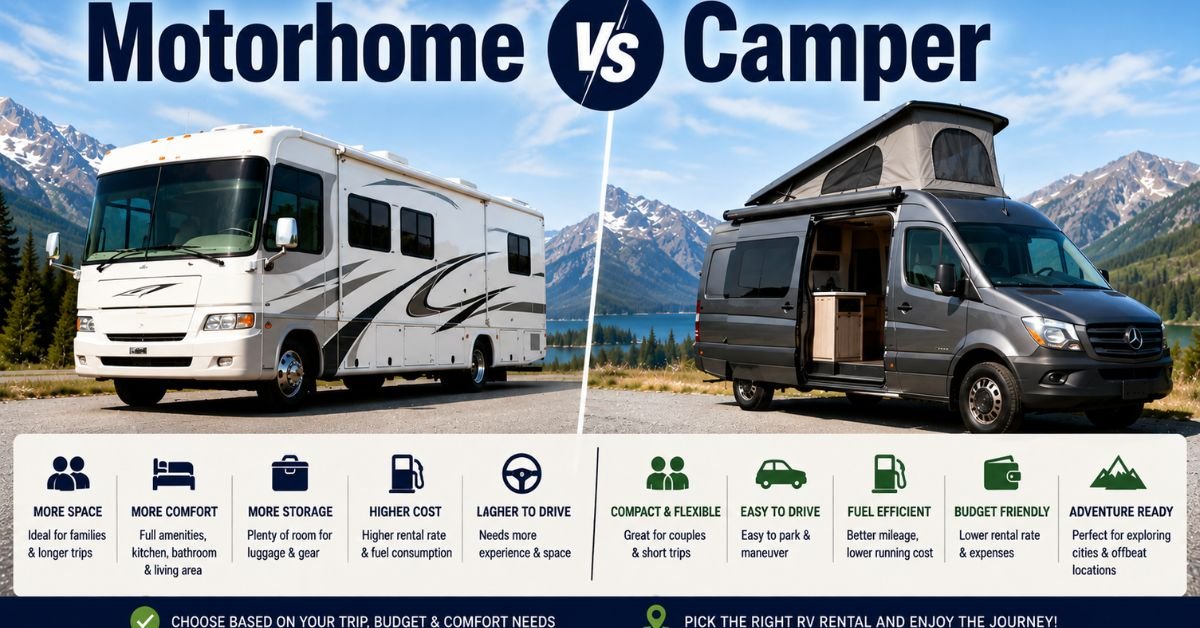
The type of RV you choose has one of the biggest effects on your overall budget. Understanding the differences between RV categories can help you select a vehicle that provides the right balance between comfort and price.
Class A Motorhome Rental Cost
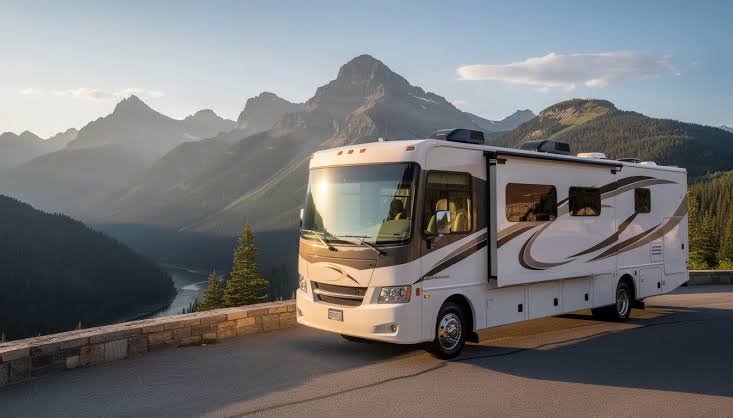
Class A motorhomes are usually the largest and most spacious motorhomes available for rent. They can include large sleeping areas, full kitchens, bathrooms, dining areas, entertainment systems, and generous storage.
Because of their size and features, Class A vehicles are generally among the more expensive RV rental options.
A typical Class A rental may cost around $150 to $450 or more per night, depending on the model, age, location, and season. Some luxury models can cost considerably more.
A Class A motorhome may be suitable for:
- Large families
- Groups travelling together
- Longer road trips
- Travellers who prioritise comfort
- People looking for a spacious RV experience
However, remember that a higher nightly price can also come with higher fuel consumption. When calculating RV rental cost, consider fuel alongside the rental rate.
Class B Campervan Rental Cost
Class B campervans are smaller than Class A and Class C motorhomes. Their compact size makes them popular with solo travellers and couples.
Typical Class B rental prices can range from approximately $100 to $350 per night, although many newer or well-equipped campervans fall within a narrower range.
Class B vehicles can be attractive for travellers who want:
- Easy driving
- Easier parking
- Better mobility
- Compact accommodation
- Lower fuel consumption than many larger motorhomes
A campervan may have less interior space than a large motorhome, but that can be an advantage if your trip includes cities, smaller roads, or frequent stops.
Class C Motorhome Rental Cost
Class C motorhomes are a popular option for families because they often provide a good balance between space, amenities, and drivability.
A typical RV rental cost for a Class C can range from around $100 to $400 per night, depending on the vehicle. Many newer or well-equipped Class C models fall around the middle of this range.
Class C motorhomes can be suitable for:
- Families
- First-time RV travellers
- Small groups
- Longer road trips
- Travellers who need more space than a campervan
Their combination of sleeping space, kitchen facilities, bathroom facilities, and living space makes them one of the most versatile RV categories.
Travel Trailer Rental Cost
Travel trailers can be among the most affordable RV rental options. Current market guides generally place travel trailer rentals at around $50 to $200 per night, with many options falling below the cost of a motorhome.
However, there is an important factor to remember.
You need a suitable vehicle capable of towing the trailer unless the rental provider offers delivery and setup.
If you need to rent a truck separately, include that expense when calculating the total RV rental cost.
Fifth-Wheel Rental Cost
Fifth-wheel trailers are larger towable RVs that connect to a pickup truck through a hitch mounted in the truck bed.
They can provide significant living space and are often suitable for longer stays.
Current rental guides show fifth-wheel prices ranging roughly from $60 to $300 per night, depending on the vehicle and rental market.
However, towing requirements can increase the overall trip budget, especially if you do not already have a suitable truck.
What Factors Affect RV Rental Cost?
Several factors determine the final price of an RV rental. Knowing these factors can help you estimate your budget more accurately.
RV Size and Type
The first major factor is the type of RV.
A small travel trailer may cost considerably less per night than a luxury Class A motorhome. Larger vehicles usually have more living space and amenities, which can increase the rental price.
When comparing RV rental cost, decide which features you actually need rather than paying for features you may never use.
Vehicle Age and Condition
The age and condition of an RV can also affect its price.
Older RVs may be available at lower nightly rates, while newer models with modern interiors, updated appliances, advanced entertainment systems, and newer mechanical components can command higher prices.
A lower-priced older RV may provide excellent value if it is well maintained. Read the vehicle description and customer reviews carefully before booking.
Rental Location
Location can make a significant difference to RV rental cost.
RV rentals in popular travel markets can be more expensive than rentals in less busy areas. Demand, local tourism, vehicle availability, and operating costs can all affect prices.
For example, current RV listings show substantial price differences between individual markets, even for similar vehicle types.
If your itinerary is flexible, compare rental locations around your preferred destination.
Travel Season
The time of year you travel can have a major impact on rental rates.
Summer, school holidays, major festivals, and holiday weekends often bring higher demand. Lower-demand periods can offer better prices.
Current RV rental pricing guidance notes that peak-season rates can be significantly higher than off-season prices.
If saving money is a priority, consider travelling during shoulder or off-peak seasons when the weather and destination conditions are still suitable.
Rental Duration
The number of nights you book can also affect your average daily price.
Some rental providers offer weekly or monthly discounts. Current RV rental guidance indicates that longer bookings can sometimes reduce the effective nightly rate.
For example, a seven-night booking may offer better value than booking the same vehicle for several separate short trips.
Always compare the total price rather than assuming that a weekly discount automatically makes a rental cheaper.
Additional RV Rental Costs to Budget For
The nightly rental price is only one part of your total budget. Several additional expenses can increase your final RV rental cost.
Fuel Costs
Fuel can become one of the biggest expenses on a long RV road trip.
Large motorhomes generally consume more fuel than smaller vehicles, although actual fuel economy varies by model, load, road conditions, weather, and driving style.
Before booking, estimate how many miles you expect to drive and research the vehicle’s approximate fuel economy.
For example, a vehicle that gets 10 miles per gallon will use considerably more fuel over a 2,000-mile trip than one that gets 20 miles per gallon.
A current RV rental cost guide estimates fuel, campground fees, and insurance can add substantially to the daily cost of a trip.
Mileage Fees
Mileage policies differ between rental providers.
Some rentals may include a mileage allowance, while others may offer unlimited mileage. Additional miles may be charged after you exceed the included allowance.
This means two RVs with identical nightly prices can have very different final costs.
Before booking, check:
- Included mileage
- Cost per additional mile
- Unlimited mileage options
- Estimated mileage for your trip
If you are planning a long road trip, mileage terms should be a major part of your RV rental cost comparison.
Campground Fees
You will usually need somewhere to park and stay overnight.
Campground prices vary depending on location, facilities, hookups, season, and popularity.
A basic campsite may cost less, while a site with electricity, water, sewer connections, Wi-Fi, recreation facilities, and other amenities can cost more.
Add campground fees to your travel budget instead of treating them as an unexpected expense.
Insurance
Insurance is another important cost to consider.
The amount you pay depends on the rental provider, vehicle, location, coverage, and selected protection options.
Before booking, find out what insurance is included and whether additional coverage is available.
Also check the deductible and exclusions so you understand your potential financial responsibility.
Cleaning Fees
Some RV rentals include cleaning in the base price, while others may charge a separate cleaning fee.
The amount can depend on the size and condition of the vehicle and the rental provider’s policy.
You may also be expected to return the RV in a particular condition.
Read the cleaning requirements before booking so you can avoid unexpected charges.
Generator Charges
Some RVs charge separately for generator use.
This may be calculated by the hour or according to the rental agreement.
If you expect to use the generator frequently, ask about the included hours and additional charges before confirming your booking.
Pet Fees
If you plan to travel with a pet, check the rental company’s pet policy.
Some RVs allow pets without an additional charge, while others may require a pet fee or deposit.
Not every vehicle is pet-friendly, so confirm the rules before booking.
Delivery and Setup Fees
For towable RVs, some rental providers offer delivery and setup at a campsite.
This can be convenient if you do not want to tow the RV yourself.
However, delivery and setup can add to your total RV rental cost.
Compare the cost of delivery with the cost of renting or using a suitable towing vehicle.
How Much Does a One-Week RV Rental Cost?
A one-week RV trip can have a wide range of prices.
Suppose you rent a vehicle for seven nights at $150 per night. The base rental would be:
$150 × 7 = $1,050
But the final cost may be higher after adding insurance, fuel, mileage, campground fees, taxes, and optional services.
For example, if your average daily travel expenses outside the base rental were another $100 to $200, your overall trip budget could be significantly higher than $1,050.
This illustrates why RV rental cost should always be calculated as an all-in trip budget.
A current RV rental pricing guide estimates that a complete RV trip, including rental, gas, campgrounds, insurance, and mileage-related costs, can average around $150 to $600 per day, although individual trips vary substantially.
How Much Does a Two-Week RV Rental Cost?
A two-week trip naturally increases your total rental cost, but the average nightly price may sometimes be lower if the provider offers a longer-term discount.
For example, a $175 nightly rental for 14 nights would have a base rental price of:
$175 × 14 = $2,450
You would then need to add fuel, campsites, insurance, mileage, food, and other travel expenses.
For a two-week trip, it becomes particularly important to compare weekly rates and longer rental discounts.
Is an RV Rental Cheaper Than a Hotel?
Whether an RV is cheaper than a hotel depends on your trip.
You should compare the complete costs rather than simply comparing an RV’s nightly rental rate with a hotel room.
An RV combines transportation and accommodation, which can provide value for travellers covering significant distances.
However, RV travel also includes fuel, campground fees, insurance, maintenance-related charges, and other expenses.
An RV can be financially attractive for families or groups because several people can share one vehicle and accommodation. It can also reduce restaurant costs if the RV includes a kitchen and you prepare your own meals.
The best comparison is:
RV rental + fuel + campground + insurance + fees
versus
hotel + car rental + fuel + meals
Your travel style and group size will determine which option provides better value.
How to Reduce Your RV Rental Cost
You do not have to choose the cheapest RV to save money. Instead, focus on reducing unnecessary expenses.
Book During the Off-Season
Travelling outside peak periods can help reduce the nightly rental price.
Shoulder seasons can sometimes offer a good combination of lower prices and comfortable travel conditions.
Compare Multiple RVs
Do not book the first vehicle you see.
Compare several RVs based on:
- Nightly price
- Mileage
- Insurance
- Vehicle size
- Fuel efficiency
- Amenities
- Reviews
- Additional fees
A slightly higher nightly price may still provide better overall value.
Consider a Smaller RV
A smaller RV may cost less to rent and may also consume less fuel.
If you are travelling as a couple or small family, you may not need a large Class A motorhome.
Choose the size that meets your needs without paying for unnecessary space.
Look for Weekly Discounts
If you are travelling for seven or more nights, check whether the rental provider offers weekly pricing.
Longer bookings may have a lower average nightly cost.
Plan Your Route
Unnecessary driving increases fuel and mileage costs.
Create a basic route before your trip and group nearby destinations together where practical.
A shorter, more efficient route can reduce your total travel expenses.
Cook Your Own Meals
Restaurant costs can add up quickly during an RV road trip.
If your RV has a kitchen, buy groceries and prepare some meals yourself.
This can reduce food expenses while also giving you more flexibility during your journey.
Read the Full Rental Listing
One of the easiest ways to avoid unexpected RV rental cost is to read the complete rental listing.
Check the base price, mileage, generator, insurance, cleaning, deposit, pet policy, delivery, and other fees.
Current rental guidance specifically recommends reading listing details carefully because additional charges can vary between individual RVs and owners.
What Is a Good RV Rental Budget?
There is no single budget that works for every traveller.
For a basic trip, a smaller trailer or campervan may provide a relatively affordable option. A family looking for more space may need a larger Class C motorhome. Travellers seeking luxury may spend considerably more on a Class A vehicle.
A practical approach is to create three budgets:
Basic budget: Base rental + essential travel costs
Comfort budget: Better RV + comfortable campsites + insurance + regular dining
Premium budget: Luxury RV + upgraded campsites + additional services and activities
This approach gives you flexibility while planning.
FAQs:
Before paying for your rental, ask the provider important questions about the total RV rental cost.
What Is Included in the Nightly Rate?
Ask whether mileage, insurance, kitchen equipment, bedding, cleaning, and other features are included.
Is Mileage Unlimited?
If not, ask how many miles are included and what additional miles cost.
What Is the Security Deposit?
Find out how much you need to pay and when the deposit will be returned.
Are There Cleaning Charges?
Ask whether cleaning is included and what condition the RV must be returned in.
Are There Generator Fees?
If you need the generator, understand the included hours and additional charges.
Are Pets Allowed?
If you are travelling with a pet, confirm the policy and any additional fee.
Are There Weekly Discounts?
For longer trips, ask about weekly and monthly rates.
Must Read:
- How to Choose the Right RV Rental for Your Road Trip?
- How to Book Train Tickets Online: A Complete Guide
- How to Find Cheap Train Tickets: Easy Saving Tips
Final Thoughts:
So, how much does an RV rental cost? The answer depends on the vehicle, location, season, rental duration, and additional expenses.
In 2026, typical RV rental prices can range from approximately $50 per night for some basic trailers to $450 or more per night for larger motorhomes, with many mainstream options falling somewhere between these extremes.
However, the nightly price should never be your only consideration. Fuel, campground fees, insurance, mileage, cleaning, generator use, deposits, pet fees, delivery, and optional extras can all affect your final budget.
The best way to estimate your RV rental cost is to calculate the complete trip price before booking. Start with the nightly rental rate, multiply it by the number of nights, and then add your expected fuel, campground, insurance, mileage, and other expenses.
If you want to save money, compare different RV types, consider travelling during less busy periods, look for longer-term discounts, choose a vehicle that fits your actual needs, and read the complete rental terms.
Most importantly, do not assume that the cheapest advertised RV is automatically the best deal. The best rental is one that provides the right combination of price, comfort, space, fuel efficiency, amenities, and flexibility for your journey.
By understanding RV rental cost before you book, you can create a realistic travel budget, avoid unexpected expenses, and enjoy your road trip with greater confidence.