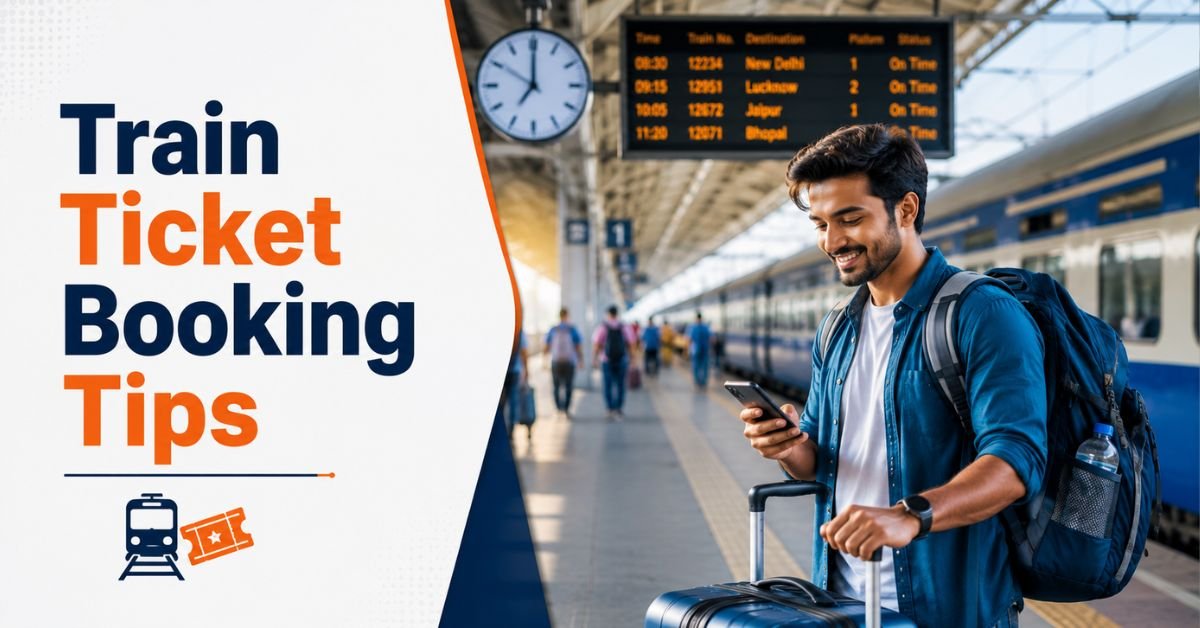
Booking a train ticket can look simple, but choosing the right train, fare, seat, and travel time can make a big difference to your journey. The best Train Ticket Booking Tips can help you find better prices, secure preferred seats, avoid common booking mistakes, and make your journey more comfortable.
Train fares can change depending on the route, travel date, demand, ticket type, travel class, and how early you book. Some tickets offer lower prices but have strict cancellation or change conditions. Others cost more but provide greater flexibility. Seat availability can also change quickly on popular routes, especially during weekends, holidays, festivals, and peak travel periods.
Whether you are travelling for business, planning a family holiday, taking a weekend trip, or booking a long-distance journey, understanding how train ticket booking works can help you make a smarter decision.
This guide shares practical Train Ticket Booking Tips for finding better fares, choosing seats, comparing routes, understanding ticket types, and preparing for your journey.
Why Train Ticket Booking Requires Planning
Train travel is often convenient, but popular services can become busy very quickly. A train that has plenty of seats today may have limited availability closer to the travel date.
One of the most useful Train Ticket Booking Tips is to start planning as soon as your travel dates are reasonably certain. Early planning gives you more choices. You can compare different departure times, travel classes, routes, and seat options before making your decision.
Booking early does not always guarantee the cheapest fare, because pricing rules differ between railway operators. However, it can increase your chances of finding discounted fares and preferred seats.
Planning also gives you time to check the station, arrival time, connection options, luggage rules, and cancellation conditions.
Book Early When Your Plans Are Fixed
Booking early is one of the simplest ways to improve your chances of getting a good train fare and a preferred seat.
Many railway operators release tickets in advance, and some discounted fares are available in limited quantities. Once those cheaper tickets sell out, travellers may only see higher-priced options.
Why Early Booking Can Help
Early booking can give you:
- More train options
- Better departure times
- Greater seat availability
- More travel classes to choose from
- Access to advance fares where available
- More time to compare ticket conditions
- Less stress before your journey
However, do not book too early without checking the rules. Some railway systems open bookings at specific times or use different booking windows for different services.
The most practical approach is to understand when tickets become available for your route and start checking as soon as bookings open.
Compare Different Travel Dates
If your schedule is flexible, changing your travel date by one day can sometimes make a significant difference to the price.
For example, a Friday evening train may be much more popular than a Tuesday afternoon service. A Sunday evening train can also have strong demand when people return home after a weekend.
One of the most effective Train Ticket Booking Tips is to compare at least two or three possible travel dates before purchasing your ticket.
Try Midweek Travel
Midweek travel can sometimes provide better availability than peak weekend journeys. Tuesday, Wednesday, and Thursday services may have different demand patterns depending on the route.
If you are planning a holiday, compare the total cost of travelling one day earlier or later. A small change in your schedule could reduce your train fare and give you more options.
Check Holiday and Festival Periods
Train demand can increase significantly during public holidays, school breaks, festivals, sporting events, and major local events.
If you need to travel during a busy period, book as early as possible and consider alternative departure times.
Compare Departure Times
The cheapest train is not always the best train. A very early or very late departure may cost less but could create additional transport or accommodation expenses.
For example, a train leaving at 5:00 AM might have a lower fare, but reaching the station that early could require an expensive taxi.
When using Train Ticket Booking Tips, compare the complete cost of your journey rather than looking only at the ticket price.
Consider Peak and Off-Peak Travel
Some railway systems use different fares for peak and off-peak periods. Peak services are generally aimed at busy travel periods, while off-peak services may have lower prices or fewer restrictions depending on the operator.
If you have flexibility, compare both options.
An off-peak train can be particularly useful for travellers who do not need to arrive at a specific time.
Compare Different Train Routes
A destination can sometimes be reached through several routes. One route may be direct, while another requires a connection.
A direct train is usually easier, but a connecting journey may sometimes be cheaper or faster.
Before booking, compare:
- Direct trains
- One-stop journeys
- Multiple-stop journeys
- Different departure stations
- Different arrival stations
- High-speed services
- Regional services
Direct Trains vs Connecting Trains
Direct trains reduce the risk of missing a connection and can be more comfortable when travelling with children or large luggage.
Connecting trains may offer lower prices or more convenient departure times. However, you need to consider transfer time.
If you have separate tickets for different trains, a delay on the first service may create problems with the second ticket. Always check the terms of separate bookings.
Choose the Right Ticket Type
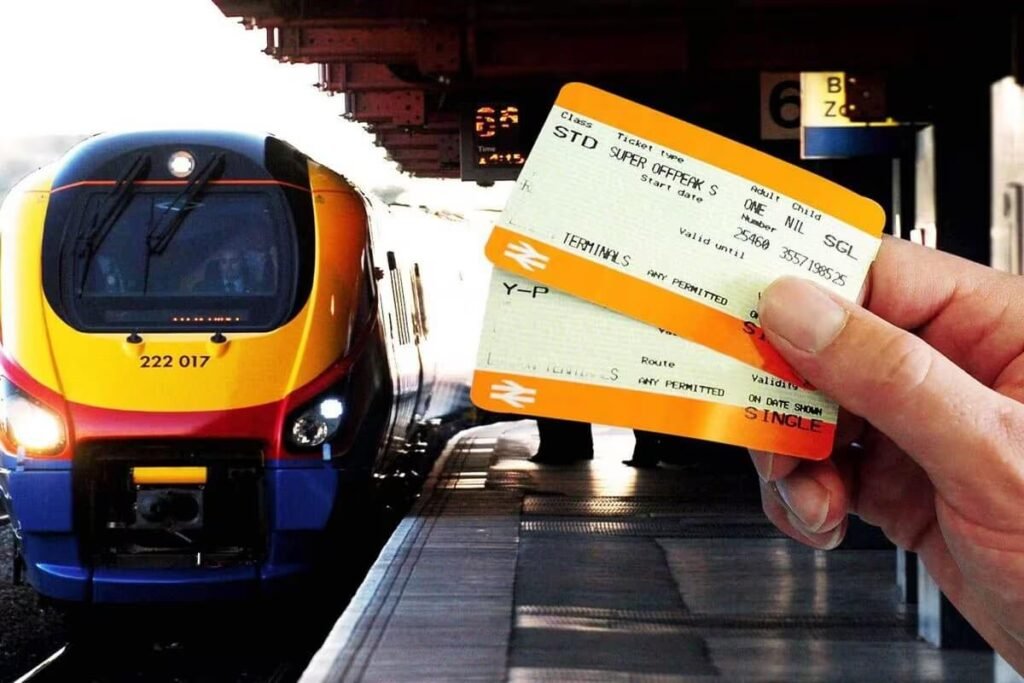
Ticket type is another important factor when searching for better prices.
Depending on the country and railway operator, you may find:
- Advance tickets
- Flexible tickets
- Off-peak tickets
- One-way tickets
- Return tickets
- First-class tickets
- Standard-class tickets
- Sleeper tickets
- Rail passes
- Season tickets
Advance Tickets
Advance tickets can be attractive when your travel plans are fixed. They may offer lower prices but can have restrictions relating to the specific train or travel date.
If there is a reasonable chance you will need to change your journey, check the conditions before choosing an advance fare.
Flexible Tickets
Flexible tickets generally provide more freedom to change your travel plans, although the exact rules vary.
A flexible ticket may cost more, but it can be valuable if your schedule is uncertain.
The best Train Ticket Booking Tips are not simply about finding the lowest price. They are about finding the best value for your situation.
Compare One-Way and Return Tickets
If you are travelling to a destination and returning by train, compare the cost of a return ticket with two separate one-way tickets.
Some railway operators offer special return fares, while others may price each journey independently.
Do not assume that a return ticket is automatically cheaper. Check both options before payment.
If your return date is uncertain, a combination of flexible or separate tickets may provide more practical flexibility.
Choose the Right Travel Class
Your travel class can have a major impact on the total cost of your journey.
Standard class is usually the most affordable choice, while first class or premium classes may provide additional space, quieter seating, improved services, or other benefits.
When Standard Class Makes Sense
Standard class can be a good choice when:
- The journey is relatively short
- You want to minimise costs
- You do not need extra space
- You are travelling during the daytime
- You are comfortable with standard seating
When Premium Seating May Be Worth It
A premium ticket may make sense for a long journey, business trip, or overnight travel when additional comfort is important.
Compare the services included before paying more. Sometimes a small price difference can provide better value, while a large price difference may not be worthwhile.
Choose Your Seat Carefully
Getting a good seat can make your journey much more enjoyable, particularly on longer trips.
If seat selection is available, think about your personal preferences before choosing.
Window Seat
A window seat is ideal if you enjoy scenery, want somewhere to rest your head, or prefer not to have people walking past you frequently.
Aisle Seat
An aisle seat is useful if you expect to get up regularly. It can also make it easier to access luggage, toilets, or other parts of the train.
Table Seat
A table seat can be useful for working, eating, studying, or travelling with family and friends.
Quiet Areas
Some trains offer quiet carriages or designated quiet zones. These can be useful if you want to work, read, or rest.
Always check the railway operator’s seat map because carriage layouts and seat categories vary between services.
Book Seats Together When Travelling as a Group
Families and groups should consider seat arrangements before completing a booking.
If you are travelling with children, sitting together can make the journey easier. Friends travelling together may also prefer seats in the same row or around a table.
Do not wait until the last moment if sitting together is important. Popular trains can have limited groups of adjacent seats.
If the booking system automatically assigns seats, check whether you can select or change them before completing your purchase.
Check the Exact Station
Large cities often have more than one railway station. Choosing the wrong station can turn a convenient train journey into a complicated transfer.
Before paying for your ticket, check the exact departure and arrival stations.
This is one of the most important Train Ticket Booking Tips because station names can sometimes look similar.
Check Your Hotel Location
After selecting your arrival station, check how far it is from your hotel or final destination.
A train that arrives 20 minutes earlier may not be the better choice if the station is much farther away.
Consider the full journey from your accommodation to the departure station and from the arrival station to your final destination.
Check the Cancellation Rules
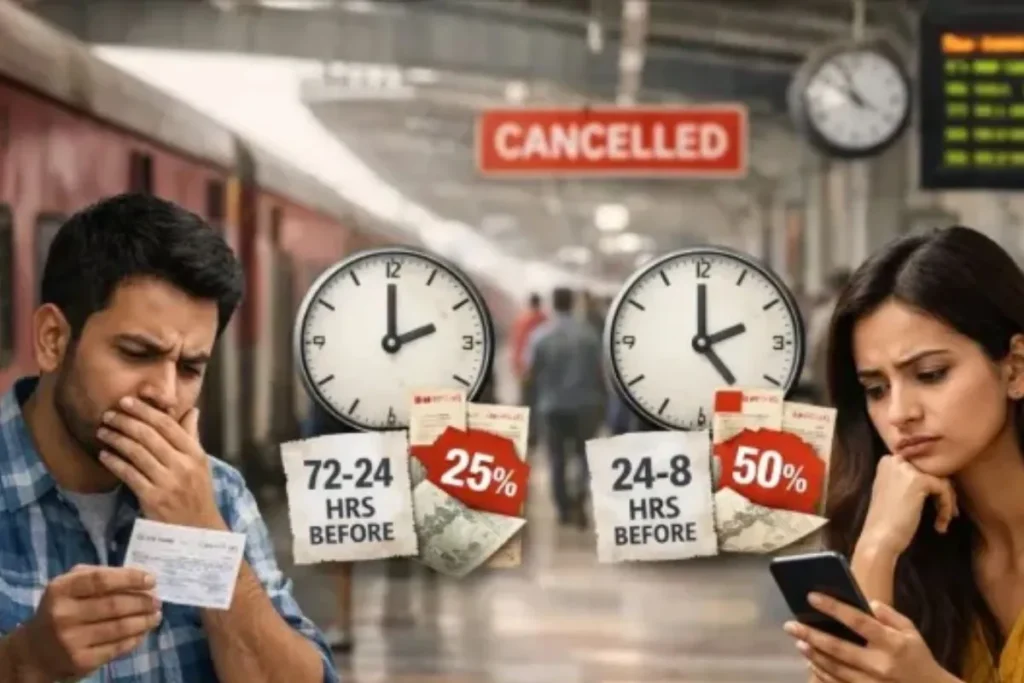
Never ignore the cancellation policy.
Two tickets for the same train can have very different cancellation and change conditions depending on the fare type.
Before purchasing, check:
- Whether cancellation is allowed
- Whether a refund is available
- Whether a cancellation fee applies
- Whether you can change the travel date
- Whether you can change the train
- Whether the ticket is transferable
- The deadline for making changes
Cheap Does Not Always Mean Better
A restricted ticket may be cheaper, but if your plans change, you could lose some or all of the ticket value.
If your schedule is uncertain, paying slightly more for flexibility may be a sensible decision.
Look for Railcards and Discounts
Many railway systems offer discount programmes for eligible travellers. These may include students, young travellers, seniors, families, frequent travellers, or other groups.
Before booking, check whether you qualify for a railcard or discount.
Some discount programmes require a separate purchase, while others are linked to an account or travel card.
Calculate the Total Saving
Do not purchase a discount card simply because it offers a percentage discount.
Calculate how much you expect to spend on train travel and compare the expected savings with the cost of the discount programme.
If you travel frequently, a railcard or similar programme may provide significant value.
Check Whether a Rail Pass Is Worth It
Rail passes can be useful for travellers visiting multiple destinations.
Instead of purchasing individual tickets for each journey, a pass may provide access to several train services within a specific period or region.
However, a rail pass is not automatically cheaper.
Compare Individual Tickets With the Pass
Make a list of your planned journeys and estimate the cost of buying individual tickets.
Then compare that total with the rail pass price and any additional reservation fees.
This simple calculation can prevent you from paying for a pass that you do not actually need.
Consider Nearby Stations
Sometimes a nearby station can provide better fares or more convenient train times.
For example, a large city may have a central station and several regional stations. Travelling from a different station could give you access to more services.
However, calculate the cost and time required to reach the alternative station.
A cheaper ticket is not necessarily a saving if you need an expensive taxi to reach the station.
Check Luggage Rules Before Booking
Train luggage policies vary between operators.
Some trains provide large luggage areas, while others have limited storage. Premium or high-speed services may have specific luggage restrictions.
Before booking, check:
- Maximum luggage allowance
- Size restrictions
- Number of bags permitted
- Storage locations
- Rules for oversized luggage
- Rules for bicycles or sports equipment
If you are travelling with several large bags, consider the seating arrangement and storage space before selecting your train.
Use Official Booking Channels
One of the safest Train Ticket Booking Tips is to use an official railway website, app, station ticket office, or an established authorised booking platform.
Third-party websites can sometimes be useful for comparing options, but check the final price and any service fees before paying.
Official railway sources are particularly important when checking:
- Current fares
- Cancellation rules
- Train schedules
- Seat availability
- Reservation rules
- Service disruptions
- Luggage policies
Railway rules can change, so avoid relying entirely on old blog posts or outdated social media information.
Check the Total Price Before Payment
The advertised ticket price may not always represent the final amount you pay.
Depending on the booking platform, additional charges may apply for:
- Seat selection
- Booking fees
- Payment processing
- Flexible fare options
- Baggage
- Optional services
Before clicking the final payment button, check the complete price.
This is one of the easiest ways to avoid unexpected costs.
Keep Your Booking Information Safe
After booking, save your ticket and booking reference somewhere accessible.
If you receive a digital ticket, download it or save it within the official app where possible.
Keep important details such as:
- Booking reference
- Train number
- Departure time
- Station
- Seat number
- Passenger details
- Ticket conditions
If your phone battery is likely to be low, carry a charging cable or power bank.
Check Train Status Before Leaving
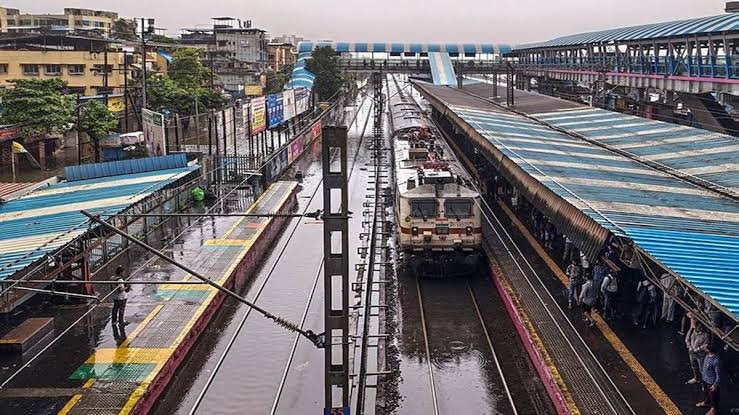
Booking your ticket is not the final step.
On the day of travel, check the latest train information before leaving for the station.
Look for:
- Delays
- Platform changes
- Cancellations
- Engineering work
- Service disruptions
- Changes to departure times
Arriving at the station with current information can reduce stress and help you respond quickly if something changes.
Arrive at the Station With Enough Time
How early you should arrive depends on the railway system, station size, and type of train.
For a local service from a familiar station, you may not need a large amount of extra time. For an unfamiliar major station or long-distance journey, arriving earlier can be useful.
Give yourself enough time to find the platform, check departure information, use the toilet, buy food, and board without rushing.
Common Train Ticket Booking Mistakes
Knowing what not to do is just as important as knowing what to do.
Booking Without Checking the Date
Always review the date before payment.
Selecting the Wrong Station
Check the complete station name rather than assuming the city has only one station.
Ignoring Fare Restrictions
Read the ticket conditions before purchasing a discounted fare.
Choosing the Cheapest Train Automatically
Consider departure time, connections, comfort, and flexibility.
Leaving Seat Selection Too Late
If you want a specific seat, book when availability is good.
Forgetting Additional Fees
Review the final payment screen before confirming your purchase.
Not Checking Luggage Rules
Oversized or additional luggage can create problems if the service has restrictions.
Making Very Tight Connections
A small delay can become a major problem when there is not enough time between trains.
A Simple Strategy for Better Train Fares
If your main goal is to save money, follow this simple process.
First, search for your preferred travel date. Then compare nearby dates and departure times.
Next, compare direct and connecting services. Look at different ticket types and travel classes.
After that, check whether you qualify for discounts or whether a rail pass makes sense.
Finally, review cancellation rules and the total price before paying.
These Train Ticket Booking Tips can help you balance price and convenience instead of simply choosing the first available ticket.
A Simple Strategy for Better Seats
If comfort is your priority, start by choosing the right train.
Then check whether seat selection is available. Look at the seating map and consider window, aisle, table, quiet-zone, family, or extra-legroom options where available.
If you are travelling with other people, select seats together whenever possible.
For long journeys, avoid choosing a seat without checking its location within the carriage. Some travellers prefer seats away from doors and toilets because these areas can experience more movement.
Final Train Ticket Booking Tips Checklist
Before you complete your booking, use this quick checklist:
- Check the travel date.
- Compare multiple trains.
- Compare departure times.
- Check direct and connecting routes.
- Compare ticket types.
- Compare travel classes.
- Check seat availability.
- Select your preferred seat if possible.
- Confirm departure and arrival stations.
- Check luggage rules.
- Check cancellation conditions.
- Check change rules.
- Look for discounts.
- Compare return and one-way fares.
- Review the complete price.
- Save your booking reference.
- Check the train status before departure.
Must Read:
- Train Travel Planning: Tickets, Routes and Easy Tips
- Train Tickets Explained: Types, Prices and Booking Tips
- Best Historical Tours in Rome: Landmarks and Walking Tours
Final Thoughts:
The best Train Ticket Booking Tips are about making an informed decision rather than simply searching for the cheapest fare. Train prices, seat availability, ticket conditions, and schedules can change, so comparing your options before paying is important.
Start early when your travel plans are fixed, especially for popular routes and busy travel periods. Compare different dates, departure times, ticket types, travel classes, and routes. If you are flexible, even a small change in your schedule can sometimes provide better value.
Seat selection also deserves attention. A window seat may be perfect for enjoying scenery, while an aisle seat can provide easier access. Families and groups should try to reserve seats together before availability becomes limited.
Always check the exact departure and arrival stations, luggage rules, cancellation conditions, and final price. If your journey involves a connection, allow enough time to transfer between trains and confirm whether your tickets are covered by one booking or separate reservations.
Most importantly, think about the complete travel experience. A slightly more expensive direct train may be a better choice than a cheaper journey with several connections. A flexible ticket may be more valuable than a restricted fare if your plans could change.
By following these Train Ticket Booking Tips, you can improve your chances of finding a suitable fare, securing a comfortable seat, and enjoying a smoother journey from the moment you book until you reach your destination.