Learning How to Book Train Tickets Online can make train travel faster, easier, and more convenient. Instead of visiting a railway station and waiting at a ticket counter, travellers can search for trains, compare schedules, check fares, select seats, and complete a booking from a computer or smartphone.
Online train booking is useful for almost every type of traveller. You can use it for a short city journey, a family holiday, a business trip, a weekend break, or a long-distance rail adventure. However, booking the right ticket involves more than entering your destination and making a payment. You also need to check the correct stations, travel date, train time, ticket type, seat availability, luggage rules, and cancellation conditions.
Train fares can vary depending on the route, date, departure time, demand, train operator, travel class, and ticket type. Some cheaper tickets may have strict restrictions, while flexible tickets can cost more but offer greater freedom.
This complete guide explains How to Book Train Tickets Online step by step. It also covers how to compare routes, choose the right ticket, select seats, find better prices, avoid common mistakes, and prepare for your journey after booking.
Why Book Train Tickets Online?
Online train booking provides several advantages over buying tickets at a station.
The biggest benefit is convenience. You can search for available trains from almost anywhere and book at a time that suits you. You do not need to travel to a station simply to check ticket availability.
Online booking also makes it easier to compare different options.
You can usually compare:
- Train departure times
- Arrival times
- Journey duration
- Ticket prices
- Travel classes
- Seat availability
- Direct routes
- Connecting routes
- Ticket conditions
Digital booking can also make it easier to keep your travel information organised. Depending on the railway operator, you may receive a digital ticket, QR code, booking reference, or confirmation email.
What You Need Before Booking
Before starting How to Book Train Tickets Online, prepare the basic details for your journey.
You will normally need:
- Departure station
- Destination station
- Travel date
- Preferred departure time
- Number of passengers
- Passenger details
- Return date, if required
- Preferred travel class
- Payment method
If your travel dates are flexible, keep that in mind. Checking nearby dates can sometimes reveal better fares or more convenient trains.
Check Your Exact Stations
One of the most important steps is confirming the correct railway stations.
Large cities can have several stations, and different trains may use different stations.
Before selecting a ticket, check:
- Exact departure station
- Exact arrival station
- Station location
- Distance from your accommodation
- Local transport options
A train with a slightly higher fare may actually be more convenient if it uses a station close to your hotel.
Step 1: Choose a Reliable Booking Website or App
The first practical step is to select a reliable source for your ticket.
For important journeys, consider using the official railway website, official railway app, station ticket office, or an authorised booking platform.
A reliable booking source should provide current information about:
- Train schedules
- Ticket availability
- Prices
- Seat reservations
- Ticket conditions
- Refund policies
- Cancellation rules
- Service updates
Be careful when using unfamiliar websites. Check the website details, payment information, customer support options, and booking conditions before entering personal or payment information.
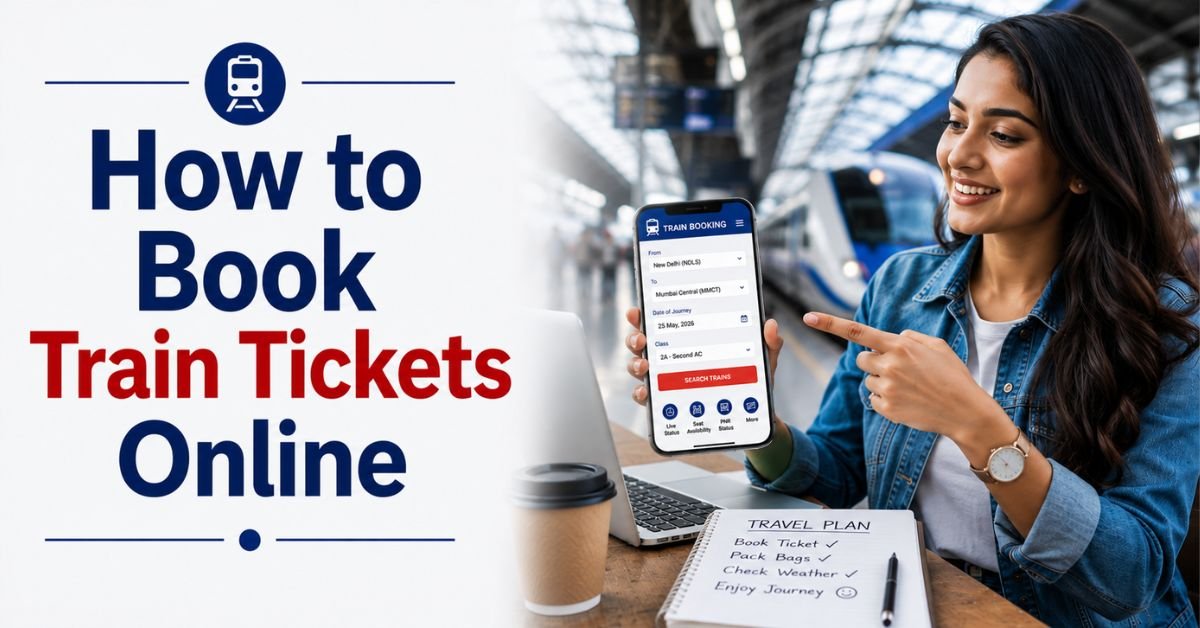
Step 2: Enter Your Journey Details
Once you have selected a suitable booking platform, enter your journey information.
Usually, you will need to enter:
- Departure station
- Destination station
- Travel date
- Number of passengers
- Return date if needed
Some booking systems also allow you to select:
- Travel class
- Passenger category
- Direct trains only
- Flexible dates
- Departure time
- Arrival time
Enter the information carefully.
A small mistake in the departure or destination station can result in an inconvenient booking.
Step 3: Search for Available Trains
After entering your journey details, select the search option.
You should see a list of available trains.
Depending on the booking system, the results may show:
- Train name or number
- Departure time
- Arrival time
- Journey duration
- Number of changes
- Ticket price
- Travel class
- Seat availability
Do not immediately select the first train displayed.
Take a few minutes to compare the available services.
Step 4: Compare Departure Times
Departure time can affect both convenience and ticket price.
If you are flexible, compare several trains during the day.
Look at:
- Early morning trains
- Morning services
- Midday trains
- Afternoon services
- Evening trains
- Late-night trains
A busy morning or evening service may cost more on some routes. A less popular departure could provide a better fare.
However, price should not be your only consideration.
Think about when you want to arrive and whether the departure time works with your hotel, meeting, flight, tour, or other plans.
Step 5: Compare Direct and Connecting Routes
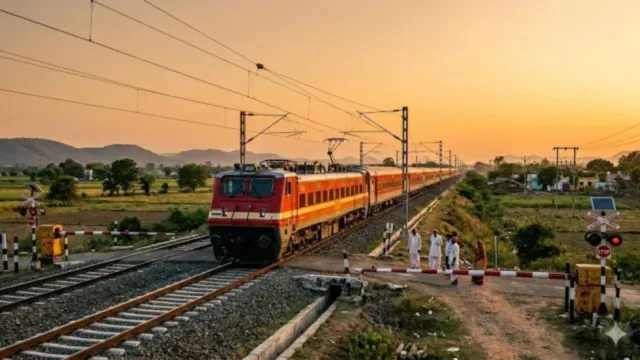
When learning How to Book Train Tickets Online, it is important to understand the difference between direct and connecting services.
A direct train takes you to your destination without changing trains.
A connecting journey requires you to leave one train and board another.
Direct Trains
Direct services are generally easier.
They can be particularly useful for:
- Families
- Older travellers
- First-time visitors
- Passengers with heavy luggage
- Business travellers
- Long journeys
You do not have to worry about finding another platform or carrying luggage between trains.
Connecting Trains
Connecting trains can sometimes offer lower prices or better schedules.
However, check the connection time carefully.
A very short connection can be risky if the first train is delayed. A longer connection provides more time but increases your total journey duration.
If you are booking separate tickets for each part of a journey, read the conditions carefully. A delay to the first train may not automatically protect the second ticket.
Step 6: Compare Ticket Types
Railway operators can offer several types of fares.
Common options include:
- Advance tickets
- Flexible tickets
- Off-peak tickets
- One-way tickets
- Return tickets
- Standard tickets
- First-class tickets
- Sleeper tickets
- Rail passes
The exact names and conditions vary by railway operator.
Advance Tickets
Advance tickets can be useful when your travel plans are fixed.
They may offer lower fares but can have restrictions. For example, the ticket may only be valid on a particular train.
If you are confident about your travel plans, this type of fare can provide good value.
Flexible Tickets
Flexible tickets usually cost more but can provide greater freedom.
Depending on the operator, you may be able to change your departure time or travel date under certain conditions.
A flexible ticket can be useful when your plans may change.
Off-Peak Tickets
Off-peak tickets are sometimes available for travel outside busy periods.
These fares can be useful if you are able to avoid peak travel times.
Always check the exact validity conditions before booking.
Step 7: Compare Ticket Prices
Price is an important part of How to Book Train Tickets Online, but the cheapest fare is not always the best choice.
Compare the complete options.
Consider:
- Ticket price
- Travel time
- Number of connections
- Travel class
- Seat
- Flexibility
- Cancellation conditions
- Additional fees
If your date is flexible, check nearby dates.
If your departure time is flexible, compare several services.
If your route is flexible, compare direct and connecting trains.
These simple comparisons can help you find better value.
Step 8: Choose Your Travel Class

Most railway operators provide different travel classes on selected services.
Standard Class
Standard class is generally suitable for travellers who want to keep costs low.
It can be a practical option for:
- Short journeys
- Day trips
- Budget travel
- Regular train travel
First Class
First class may offer additional comfort and services.
Depending on the train, you may receive:
- Larger seats
- More legroom
- More workspace
- Quieter surroundings
- Food and drinks
- Wi-Fi
- Lounge access
The exact benefits vary.
Before paying extra, compare the services included with the difference in price.
For a short journey, standard class may offer better value. For a long business journey, first class could be worthwhile.
Step 9: Select Your Seat
If the booking system allows seat selection, choose a seat based on your travel preferences.
Window Seat
A window seat is useful if you enjoy scenery or prefer a fixed position for resting.
Aisle Seat
An aisle seat provides easier access to toilets, luggage areas, and other parts of the train.
Table Seat
A table seat can be useful for:
- Working
- Studying
- Eating
- Travelling with family
Quiet Area
Some trains offer quiet carriages or designated quiet zones.
These areas can be useful for reading, working, or relaxing.
If you are travelling with family or a group, try to select seats together when possible.
Step 10: Check Luggage Rules
Before completing your booking, check the luggage policy.
Train operators may have different rules regarding the number, size, and weight of bags.
Look for information about:
- Standard luggage
- Hand luggage
- Oversized bags
- Bicycles
- Sports equipment
- Luggage storage
If you have several large bags, choose a train with suitable storage.
Keep important items such as your passport, wallet, phone, tickets, and travel documents in an easily accessible bag.
Step 11: Check Cancellation and Refund Rules
This is one of the most important steps before payment.
Do not assume that every train ticket can be cancelled or changed.
Check whether your ticket allows:
- Cancellation
- Refunds
- Date changes
- Time changes
- Rescheduling
Also check whether a fee applies.
Restricted Tickets
Cheap tickets can have strict conditions.
If your plans are certain, a restricted fare may be suitable.
If your plans could change, a flexible ticket may be a better option even if it costs more.
The right choice depends on how certain your travel plans are.
Step 12: Check Discounts
Before paying, look for available discounts.
Depending on the railway operator, discounts may be available for:
- Children
- Students
- Seniors
- Young travellers
- Families
- Frequent travellers
- Other eligible passenger categories
Some railway systems also offer railcards or discount memberships.
Check Whether a Railcard Is Worth It
If a discount card has an upfront cost, calculate the potential savings.
For frequent travellers, the savings may be significant.
For someone taking only one short journey, the cost of the card may not be worthwhile.
Always compare the numbers before buying.
Step 13: Review the Complete Price
Before making payment, check the final amount.
The advertised fare may not always represent the complete cost.
Additional charges may include:
- Booking fees
- Seat reservation fees
- Payment fees
- Flexible fare upgrades
- Extra luggage
- Optional services
Review the final payment page carefully.
Also consider local transport costs.
A cheaper train may leave from a station that requires an expensive taxi ride.
Step 14: Enter Passenger Information
Enter passenger details carefully.
Depending on the railway operator, you may need:
- Full name
- Age
- Date of birth
- Contact details
- Identification information
- Passenger category
Check spelling before continuing.
For international or long-distance travel, make sure the name matches your required travel identification where applicable.
Step 15: Complete the Payment
Once all details are correct, select your payment method.
Depending on the booking platform, payment options may include:
- Credit card
- Debit card
- Digital wallet
- Online banking
- Other supported payment methods
Before submitting payment, verify:
- Passenger details
- Travel date
- Stations
- Train
- Departure time
- Seat
- Ticket type
- Final price
Once the payment is successful, wait for the booking confirmation.
Step 16: Save Your Ticket
After completing How to Book Train Tickets Online, save your booking information.
You may receive:
- Digital ticket
- QR code
- Booking reference
- Confirmation email
- Mobile ticket
Save the information somewhere that is easy to access.
If possible, keep a copy in the official app or download the ticket according to the operator’s instructions.
Keep your phone charged before travelling.
Step 17: Check Your Train Before Departure
Your planning should continue after booking.
Before leaving for the station, check the latest train information.
Look for:
- Delays
- Cancellations
- Platform changes
- Engineering work
- Schedule changes
- Service disruptions
Train information can change after you purchase your ticket.
Checking before departure gives you time to adjust your plans if necessary.
How to Save Money When Booking Online
Finding a suitable train is important, but saving money can also be part of the process.
Try these strategies:
Book Early
Some operators offer lower fares when tickets are released.
Compare Dates
Check nearby travel dates if possible.
Compare Times
Look at different departure times.
Travel Off-Peak
Consider less busy services where suitable fares are available.
Check Discounts
Look for railcards and passenger discounts.
Compare One-Way and Return Tickets
Do not assume a return ticket is always cheaper.
Compare Routes
A connecting service may cost less than a direct train.
Check Nearby Stations
A different station may have better availability or fares, but include local transport costs.
Common Online Booking Mistakes
Knowing common mistakes can help you avoid unnecessary costs.
Booking the Wrong Station
Always confirm the exact station name.
Selecting the Wrong Date
Check the date carefully before payment.
Ignoring Ticket Conditions
Read cancellation and change rules.
Choosing a Very Short Connection
Allow enough time to change trains.
Forgetting Luggage Rules
Check baggage requirements before travelling.
Selecting Seats Too Late
Preferred seats may sell out on busy services.
Focusing Only on Price
Consider journey time, flexibility, and convenience.
Not Checking the Final Amount
Review all fees before payment.
Online Booking Checklist
Use this checklist before confirming your train ticket:
- Check departure station
- Check destination station
- Confirm travel date
- Compare different departure times
- Compare direct and connecting routes
- Compare ticket types
- Compare travel classes
- Check seat availability
- Select your preferred seat
- Check luggage rules
- Review cancellation conditions
- Check change policies
- Look for discounts
- Compare one-way and return fares
- Check additional fees
- Confirm passenger information
- Review the final price
- Complete payment
- Save your ticket
- Check train status before departure
FAQs:
Is it better to book train tickets online?
Online booking is convenient because it allows travellers to compare routes, schedules, fares, seats, and ticket conditions before purchasing. It also makes it easier to keep booking information digitally.
How early should I book a train ticket?
The ideal booking time depends on the railway operator and route. Booking early can provide more choices and may provide access to lower-priced fares where available.
Can I choose my train seat online?
Many railway operators allow seat selection on eligible services, although some assign seats automatically. Check the seating options during the booking process.
How can I get cheaper train tickets online?
Compare different travel dates, departure times, routes, ticket types, and travel classes. Also check discounts, railcards, and off-peak fares where available.
Can I change a train ticket after booking?
It depends on the ticket type and railway operator. Flexible fares may allow changes, while restricted fares can have limited or no change options.
Can I cancel a train ticket booked online?
Cancellation and refund policies vary. Always read the ticket conditions before making payment.
Should I choose a direct train?
A direct train is usually more convenient, but a connecting service may sometimes be cheaper. Compare price, travel time, and connection risk before deciding.
What should I do after booking?
Save your ticket and booking reference, keep your phone charged, check the train status before departure, and confirm the platform at the station.
Must Read:
- How to Find Cheap Train Tickets: Easy Saving Tips
- Train Booking Guide: Routes, Times and Ticket Prices
- Train Ticket Prices: Costs, Savings and Booking Tips
Final Thoughts:
Understanding How to Book Train Tickets Online makes the entire train travel process easier. Instead of choosing the first available service, take a few minutes to compare routes, times, ticket types, prices, seats, and travel classes.
Start by confirming your departure and destination stations and selecting the correct travel date. If your schedule is flexible, compare nearby dates and different departure times. A less busy train may sometimes provide a better fare.
Next, compare direct and connecting routes. Direct trains are usually simpler, while connecting services can sometimes reduce the ticket price. If you choose a connecting journey, allow enough time between trains.
Pay close attention to ticket conditions. Advance fares can provide good value when your plans are fixed, while flexible tickets may be worth paying more for when your schedule is uncertain.
Seat selection, luggage rules, discounts, cancellation policies, and additional fees are also important. A ticket that looks cheap at first may not provide the best value once restrictions and extra costs are considered.
Before payment, carefully review every booking detail. Confirm the passenger information, travel date, stations, train, departure time, seat, ticket type, and final price.
After completing your booking, save your digital ticket and booking reference. On the day of travel, check for delays, cancellations, platform changes, or other service updates before leaving for the station.
With these simple steps, How to Book Train Tickets Online becomes a straightforward process. Careful comparison and a few minutes of preparation can help you find a suitable fare, choose a convenient train, and enjoy a smoother journey from booking to arrival.