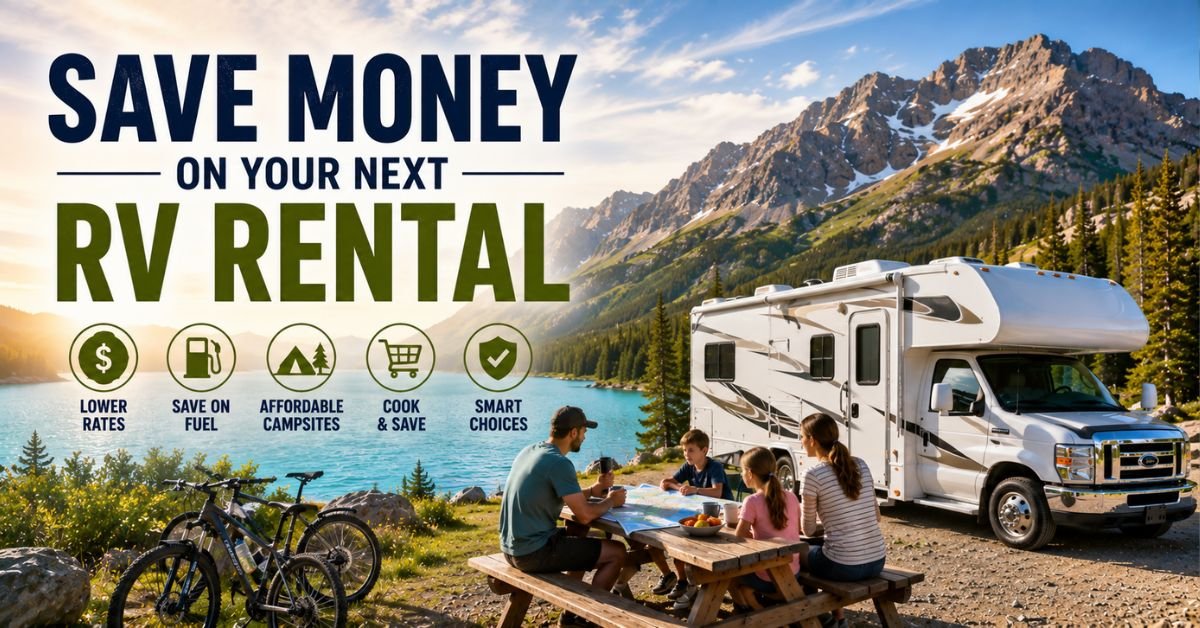
An RV road trip can be an exciting way to travel, but the total cost can become higher than expected if you do not plan your budget carefully. The daily rental rate is only one part of the expense. Fuel, mileage, insurance, campsite fees, cleaning charges, deposits, food, equipment, and other costs can all affect your final travel budget.
The good news is that you do not need to choose the cheapest vehicle or reduce the quality of your trip to save money. With smart planning, you can find an RV rental that matches your needs and avoid paying for features or services you do not need.
Learning how to save money on your next RV rental starts with understanding where your money goes. Once you know the major costs, you can compare different vehicles, choose better travel dates, plan an efficient route, reduce fuel consumption, and make smarter decisions about campsites and meals.
This guide explains practical ways to reduce your RV rental cost while still enjoying a comfortable and memorable road trip.
Understand the Total Cost of an RV Rental
Before looking for ways to save money, understand what you are actually paying for. The advertised rental price is usually only the starting point.
Look Beyond the Daily Rental Rate
An RV may appear affordable when you see a low nightly price, but additional charges can increase the final bill. Depending on the rental provider, you may need to pay for mileage, insurance, cleaning, generator use, additional drivers, pets, delivery, or other services.
For example, an RV advertised at $120 per night for seven nights has a base rental price of $840. However, your actual trip budget could be much higher after adding fuel, campsites, insurance, and other expenses.
When comparing an RV rental, calculate the estimated total cost rather than choosing the vehicle with the lowest advertised daily price.
Create a Complete Travel Budget
Before booking, list your expected expenses:
- RV rental price
- Fuel
- Mileage
- Insurance
- Campground fees
- Food
- Parking
- Tolls
- Equipment
- Cleaning fees
- Deposits
- Activities
- Emergency expenses
This gives you a realistic idea of what your road trip will cost.
Compare Multiple RV Rental Options
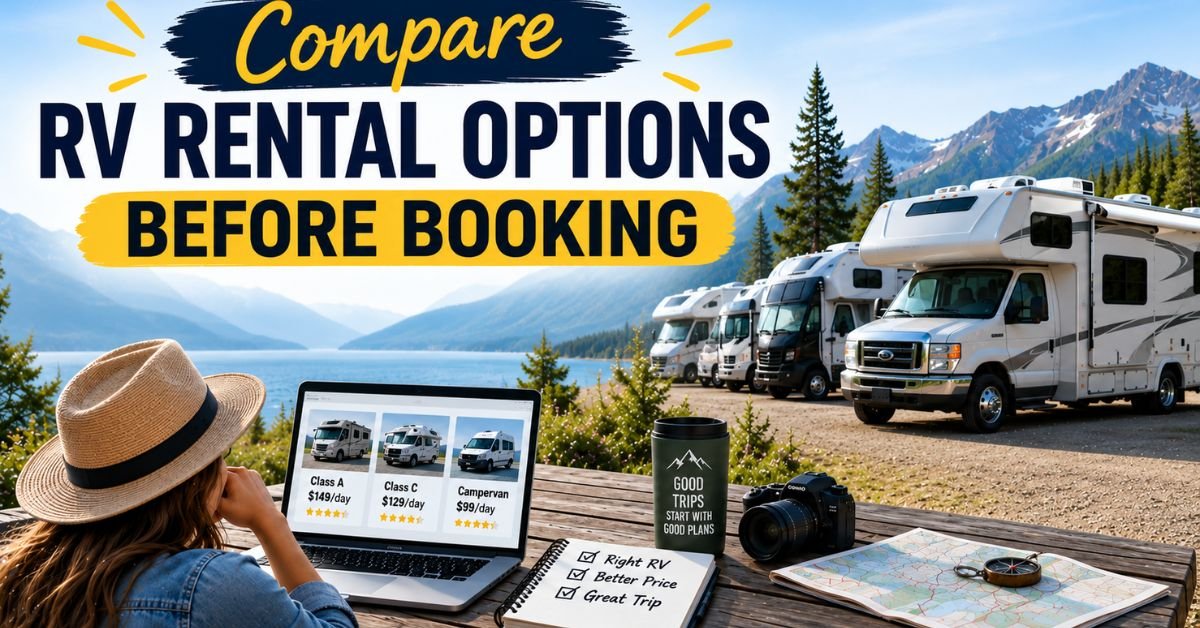
One of the easiest ways to save money is to compare several rental options before booking.
Compare Similar RVs
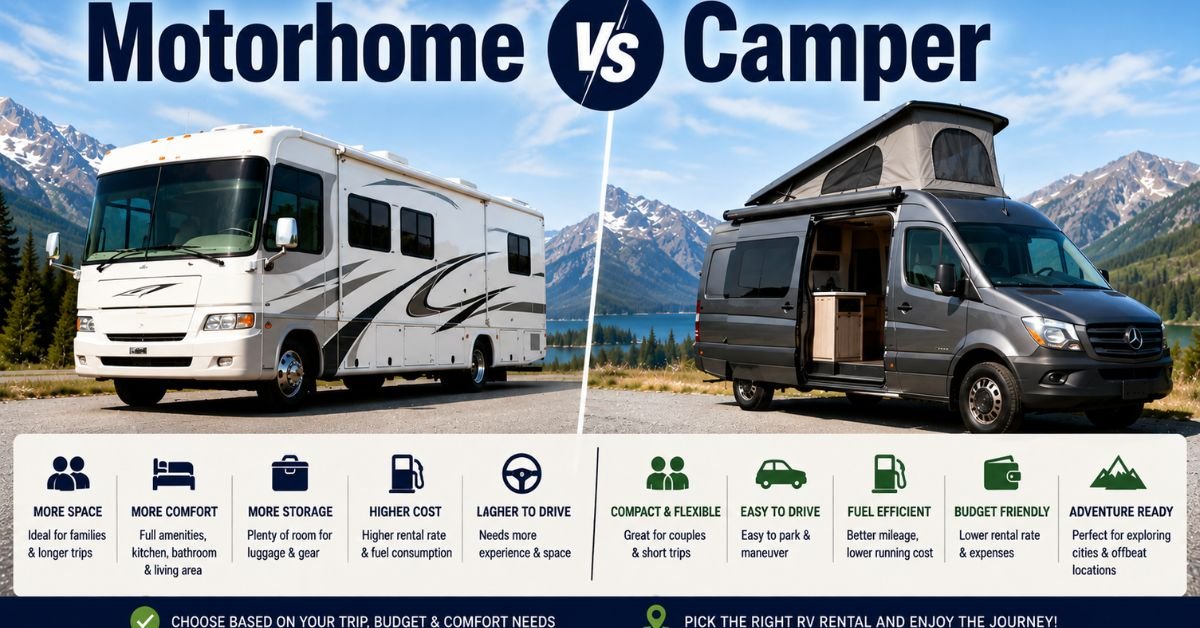
When comparing an RV rental, make sure you are looking at similar vehicles. A Class B campervan should not be compared only by price with a large Class A motorhome because the features, capacity, fuel use, and comfort can be very different.
Compare vehicles based on:
- Daily rental price
- Sleeping capacity
- Mileage allowance
- Fuel efficiency
- Insurance
- Amenities
- Additional fees
- Customer reviews
- Pickup and return arrangements
The cheapest option may not offer the best overall value.
Calculate the Cost Per Trip
Instead of asking only, “How much does this RV cost per night?”, ask, “How much will this RV cost for my entire trip?”
A slightly more expensive RV could save money if it includes more mileage or has better fuel efficiency.
For example, an RV costing $150 per night may be more affordable overall than one costing $125 per night if the cheaper vehicle has expensive mileage charges.
Choose the Right RV Size
Choosing the correct size is another effective way to reduce your RV rental cost.
Do Not Rent More Space Than You Need
If you are travelling alone or as a couple, you may not need a large motorhome.
A compact campervan or smaller RV can provide sleeping space, basic cooking facilities, and storage while potentially costing less than a large motorhome.
If you are travelling with a family, choose enough space for everyone to remain comfortable, but avoid paying for unnecessary luxury features.
Consider Fuel Efficiency
A larger RV can provide more interior space, but it may also require more fuel.
For a long road trip, fuel costs can become a significant part of your budget. A smaller vehicle that meets your needs may help reduce both rental and fuel expenses.
When choosing an RV rental, consider the complete cost of ownership during your trip, not just the size of the vehicle.
Travel During the Off-Season
Travel dates can have a major effect on RV rental prices.
Avoid Peak Travel Periods
Demand can increase during summer holidays, school breaks, major holidays, festivals, and popular travel periods. Higher demand can mean fewer vehicles and higher rental rates.
If your schedule is flexible, consider travelling during shoulder or off-peak periods.
You may find better availability and potentially lower prices while still enjoying good weather and popular destinations.
Be Flexible With Your Dates
Even moving your trip by a few days can sometimes make a difference.
Compare different departure and return dates before making your reservation. Check weekday and weekend rates and look at different rental periods.
Flexibility gives you more opportunities to find a suitable RV rental at a better price.
Book Your RV Early
Booking early can be useful when you have fixed travel dates.
Get More Vehicle Choices
Popular RVs can become unavailable during busy travel periods. Waiting until the last minute may leave you with fewer options.
When you book early, you can compare more vehicles and select one that fits your budget and travel needs.
Avoid Last-Minute Decisions
Last-minute bookings can sometimes work in your favour, but they can also create problems. You may have to choose a more expensive vehicle simply because cheaper options are no longer available.
Planning ahead gives you more time to compare prices, read reviews, and understand rental policies.
Look for Weekly and Long-Term Discounts
If you are planning a longer trip, check whether the rental provider offers discounts for extended bookings.
Compare Daily and Weekly Rates
Some rental providers may offer different pricing structures for longer rentals.
For example, renting for seven nights may provide better value than booking individual nights separately.
Always check the total price and terms before assuming that a weekly rate is cheaper.
Consider a Longer Trip If It Makes Financial Sense
A longer trip does not automatically mean a lower total cost, but a discounted weekly rental can reduce the average nightly rate.
Calculate the total rental cost and compare the effective cost per day.
Watch the Mileage Policy

Mileage is one of the most important costs to understand when booking an RV rental.
Check Included Mileage
Some rentals include a mileage allowance, while others may provide unlimited mileage. Additional miles may be charged separately.
Before booking, find out:
- How many miles are included
- Whether mileage is unlimited
- The cost of additional miles
- Whether unused mileage is refundable
- How mileage is calculated
Plan Your Route
If your rental includes limited mileage, plan your route carefully.
Avoid unnecessary detours and long drives that do not add much value to your trip.
Group destinations that are close together and choose campsites that make sense for your route.
Good route planning can reduce both mileage and fuel expenses.
Reduce Fuel Costs
Fuel can be a significant part of an RV road-trip budget.
Choose a Fuel-Efficient RV
When comparing an RV rental, consider fuel economy alongside the rental price.
A vehicle with a slightly higher rental rate but better fuel efficiency could cost less over a long journey.
Avoid Unnecessary Driving
Plan your daily route before leaving your campsite.
Use a realistic itinerary and avoid driving back and forth between destinations whenever possible.
Drive Efficiently
Aggressive acceleration, excessive speeds, and unnecessary idling can increase fuel consumption.
Maintain a steady driving style and follow the vehicle’s recommended operating practices.
Also avoid carrying unnecessary weight because extra luggage and equipment can affect efficiency.
Choose Campgrounds Carefully
Campsite fees can add a surprising amount to your total road-trip cost.
Compare Different Campgrounds
You do not always need the most expensive campsite.
Some travellers prefer premium campgrounds with swimming pools, entertainment, Wi-Fi, full hookups, and other facilities. However, if you mainly need a safe place to park and sleep, a simpler campsite may be enough.
Compare the facilities you actually need with the price you are paying.
Consider Public and Lower-Cost Camping Options
Depending on your destination and local rules, some public camping areas may offer lower-cost options.
Always check current rules, permits, availability, vehicle restrictions, and camping requirements before staying in any location.
Never assume that overnight parking is allowed simply because an area looks suitable.
Stay Longer in One Place
Moving the RV every night can increase fuel and campsite costs.
If you find an enjoyable destination, consider staying for two or three nights rather than constantly changing locations.
A slower itinerary can also make your road trip more relaxing.
Save Money on Food
One of the advantages of an RV rental is having access to a kitchen or food preparation area in many vehicles.
Cook Some Meals
Eating at restaurants for every meal can quickly increase the cost of a road trip.
Buy groceries before or during your trip and prepare some meals in the RV.
Breakfast, sandwiches, salads, pasta, grilled foods, and simple snacks can often be prepared without spending a lot.
Plan Your Grocery Shopping
Avoid buying all your food at expensive tourist destinations.
If practical, purchase basic groceries before reaching high-cost areas.
Create a simple meal plan so you buy what you need rather than wasting food.
Carry Reusable Water Bottles
Reusable bottles can reduce the need to purchase bottled drinks throughout the trip.
Use safe drinking water sources and follow local campsite guidance.
Avoid Unnecessary RV Extras

Rental providers may offer additional equipment and services. Some can be useful, but others may not be necessary for your trip.
Check What Is Already Included
Before paying for optional equipment, check what comes with the RV.
You may already have access to items such as:
- Kitchen equipment
- Basic cooking supplies
- Outdoor furniture
- Bedding
- Camping equipment
The exact inclusions vary by rental provider, so check the listing carefully.
Bring Suitable Items From Home
If practical and allowed, bring some basic travel items from home instead of renting them.
However, always check weight limits, vehicle storage, rental rules, and any restrictions before packing additional equipment.
Understand Insurance Costs
Insurance is important, but it is also something you should understand before booking.
Check Existing Coverage
If you already have vehicle or travel insurance, check whether it provides any applicable coverage for an RV rental.
Do not assume that a standard car insurance policy covers every type of RV or rental situation.
Compare Protection Options
Review the rental provider’s insurance options and compare the cost with the coverage offered.
Look at deductibles, exclusions, liability protection, and damage coverage.
Saving money should not mean choosing inadequate protection. An unexpected accident can cost far more than an insurance option.
Check the Deposit and Additional Fees
A security deposit can affect your available travel budget even if it is refundable.
Understand Deposit Requirements
Before booking, check:
- Deposit amount
- Payment method
- Refund timeline
- Possible deductions
- Damage assessment process
Knowing these details helps you plan your finances.
Look for Hidden or Less Obvious Charges
Ask about additional fees for:
- Cleaning
- Generator use
- Extra mileage
- Additional drivers
- Pets
- Late returns
- Equipment
- Delivery
- Setup
- Waste tank service
The exact fees depend on the rental provider, so read the complete terms.
Consider a Pickup Location Outside a Busy Tourist Area
Rental prices can vary between locations.
Compare Nearby Pickup Locations
If you are flying into a major city, do not automatically assume that the closest pickup location offers the best value.
Check nearby rental locations and compare the complete cost.
However, consider the additional transportation cost and time required to reach another pickup location.
A cheaper RV is not necessarily a better deal if you need to spend a significant amount on taxis, rideshares, or additional transportation.
Plan Your Route to Reduce Tolls
Tolls can increase the cost of a long road trip.
Check Your Route in Advance
Before leaving, review your planned route and identify major toll roads.
Depending on your destination and travel time, you may be able to choose alternative roads.
However, do not automatically avoid every toll. A free route that adds several hours of driving may increase fuel costs and reduce the time you have to enjoy your trip.
Compare the total cost of fuel, tolls, and travel time.
Avoid Overpacking
Packing too much can create several problems.
Reduce Unnecessary Weight
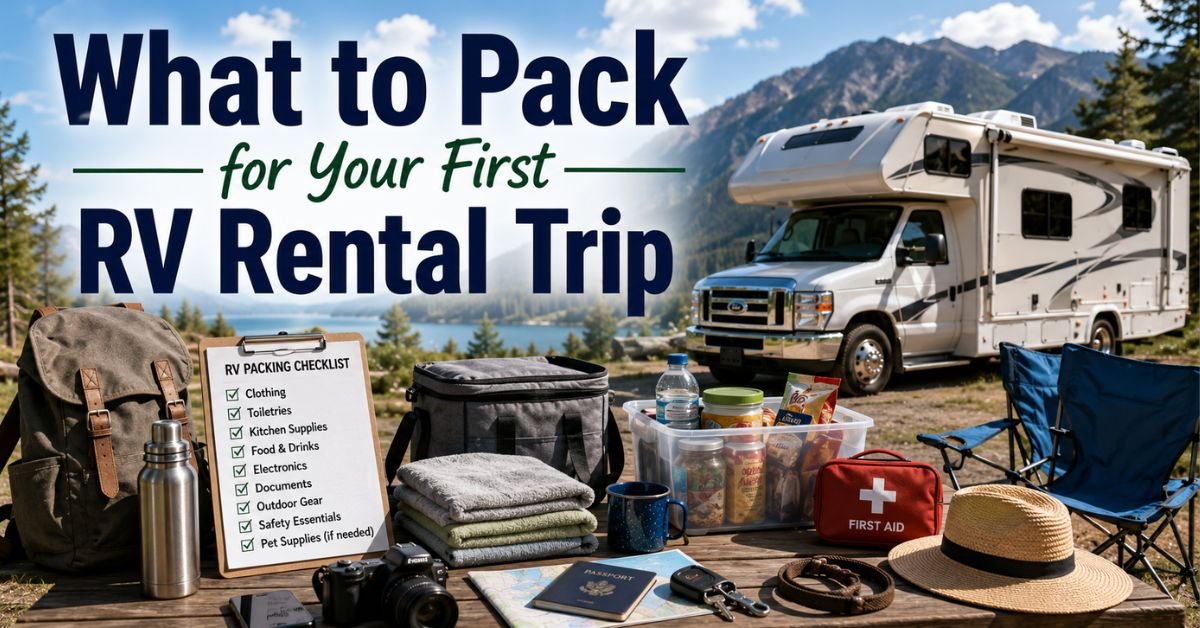
Extra luggage takes up valuable storage space and can increase vehicle weight.
Bring versatile clothing, essential toiletries, necessary electronics, and equipment you genuinely need.
A lighter RV can also be easier to manage and may help with fuel efficiency.
Use the RV’s Storage Efficiently
Before booking an RV rental, check available storage.
Choose a vehicle that provides enough space for your essential belongings without requiring a much larger model just because you want to bring unnecessary items.
Read Customer Reviews Before Booking
Customer reviews can help you identify potential costs and problems before making a reservation.
Look for Comments About Fees
Reviews may mention unexpected charges, cleaning requirements, mileage issues, or other concerns.
Pay attention to repeated comments rather than relying on a single review.
Check Vehicle Condition
Look for feedback about cleanliness, maintenance, appliances, bedding, bathroom facilities, and overall vehicle condition.
A low-cost RV may not provide good value if it has significant maintenance or comfort problems.
Avoid Booking Based Only on Photos
RV photographs can make a vehicle look larger and more luxurious than it feels in real life.
Check the Floor Plan
Whenever possible, review the floor plan and dimensions.
Look at the actual sleeping arrangements, kitchen layout, bathroom size, seating area, and storage.
This can help you determine whether the RV is suitable for your group.
Compare Features With Price
Do not pay extra for features you are unlikely to use.
If you spend most of your trip outdoors, you may not need a large entertainment system or luxury interior.
Choose features based on how you plan to travel.
Consider a Slower Road Trip
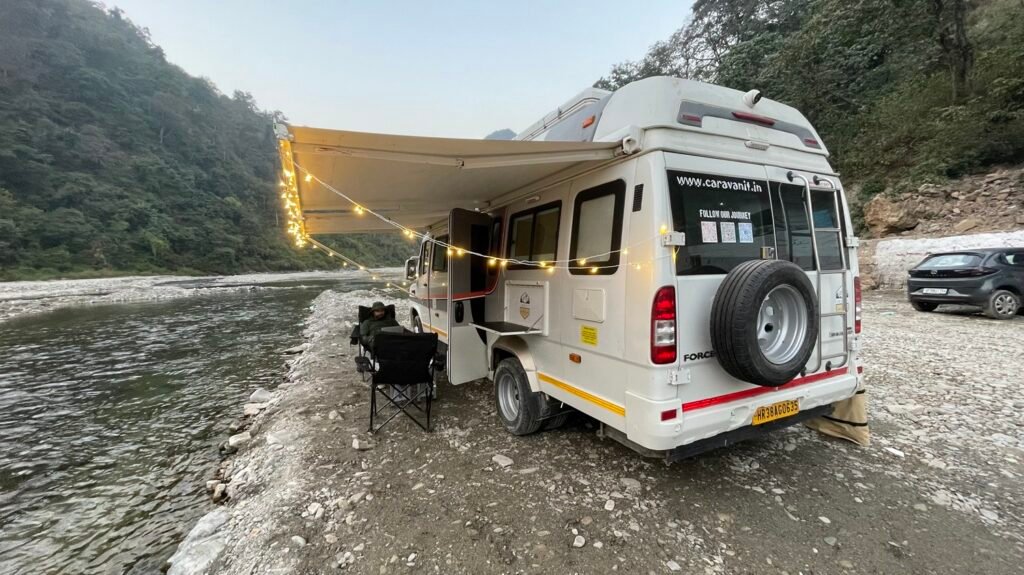
One of the best ways to save money is to reduce the amount of driving you do.
Stay Longer at Each Destination
Instead of visiting a new destination every day, stay for several nights in selected locations.
This can reduce:
- Fuel costs
- Mileage charges
- Campsite changes
- Parking expenses
- Driving fatigue
A slower itinerary can also give you more time to enjoy each destination.
Focus on Free and Low-Cost Activities
You do not need to spend money every day to enjoy an RV trip.
Look for free hiking trails, scenic viewpoints, public parks, beaches, walking routes, local markets, and other low-cost activities where permitted.
This can help you control your daily travel budget.
Create an RV Rental Savings Checklist
Before booking your RV rental, review these money-saving steps:
- Compare several RVs
- Calculate the complete trip cost
- Choose the right RV size
- Check mileage limits
- Compare fuel efficiency
- Consider off-season travel
- Check weekly discounts
- Compare nearby pickup locations
- Review insurance options
- Check the security deposit
- Ask about additional fees
- Compare campground prices
- Plan an efficient route
- Reduce unnecessary driving
- Cook some meals
- Avoid unnecessary extras
- Read customer reviews
- Check the cancellation policy
- Pack only what you need
- Keep an emergency budget
Is a Cheap RV Rental Always the Best Choice?
Not necessarily. A cheap RV rental can be a good option if it meets your needs, but the lowest advertised price does not always mean the lowest total cost.
For example, a cheap RV may have limited mileage, poor fuel efficiency, fewer amenities, or additional charges. Another RV may have a higher daily rate but include more mileage and better fuel efficiency.
The best approach is to compare the total expected cost and the value you receive.
Think about:
Rental price + fuel + mileage + insurance + campsite + additional fees = estimated trip cost
This formula gives you a much better idea of the actual budget.
Must Read:
- 10 Things to Know Before Booking an RV Rental
- How Much Does an RV Rental Cost? A Complete Guide
- How to Choose the Right RV Rental for Your Road Trip?
Final Thoughts:
Learning how to save money on your next RV rental is mainly about planning before you book. You do not need to compromise on comfort or turn your road trip into a strict budget holiday. Instead, focus on making informed decisions.
Start by comparing several RV options and choose a vehicle that fits the number of travellers and your planned route. Avoid renting a vehicle that is significantly larger than you need, because a larger RV can increase both the rental price and fuel costs.
Next, look carefully at mileage, insurance, deposits, cleaning charges, generator fees, pet fees, and other potential costs. These expenses can make a major difference to the final price.
Travel dates also matter. If your schedule is flexible, consider shoulder or off-season periods and compare different pickup and return dates. Booking early can also give you more vehicle choices, especially during busy travel periods.
Route planning is another powerful way to reduce expenses. Fewer unnecessary miles mean lower fuel consumption and potentially lower mileage charges. Staying longer at selected destinations can also reduce campsite changes and make your journey more enjoyable.
Food is another area where you can save. If your RV rental includes a kitchen, prepare some meals yourself rather than eating at restaurants throughout the trip. Shop for groceries strategically and avoid buying everything at expensive tourist locations.
Finally, remember that saving money does not mean choosing the cheapest option at every step. Your goal should be to find the best value. A comfortable, reliable RV that fits your needs and has transparent pricing can be a better choice than a cheaper vehicle with unexpected charges.
By comparing rental options, planning your route, checking every fee, choosing the right vehicle size, and making smart decisions about fuel, campsites, food, and travel dates, you can significantly improve your RV trip budget.
A well-planned RV rental can give you the freedom to explore more while keeping your travel expenses under control. Take time to compare your choices before booking, understand the complete cost, and build a realistic budget. With the right preparation, you can enjoy the flexibility and adventure of an RV road trip without unnecessary expenses.