
Planning a road trip can be one of the most enjoyable ways to travel. You have the freedom to choose your route, stop at interesting places and spend more time exploring areas that may not be easy to reach by public transport. However, choosing the right vehicle and understanding the rental terms are important if you want a smooth journey.
Knowing how to rent a car for a road trip can help you avoid unnecessary costs and make better decisions before you leave. The right rental car should be comfortable, reliable, suitable for your passengers and large enough for your luggage. You also need to consider fuel costs, mileage, insurance, parking, tolls and the rental company’s return policy.
A road trip can involve hundreds or even thousands of miles, so choosing a car based only on the lowest daily price may not be the best approach. A fuel-efficient vehicle with unlimited mileage can sometimes offer better value than a cheaper rental with mileage restrictions.
This complete guide explains how to rent a car for a road trip, from choosing the right vehicle and comparing prices to checking insurance, preparing for pickup and returning the car correctly.
Why Rent a Car for a Road Trip?
A rental car can provide flexibility that other transportation options cannot always offer.
When you rent a car for a road trip, you can decide when to leave, where to stop and which route to follow. You are not restricted to train schedules or bus routes.
Freedom to Create Your Own Route
One of the biggest advantages of a road trip is flexibility.
You can plan your journey around:
- Scenic routes
- National parks
- Small towns
- Beaches
- Mountains
- Viewpoints
- Local attractions
- Restaurants
- Family activities
You can also change your plans during the journey.
More Convenience for Groups
A rental car can be practical for families and groups travelling together.
Instead of purchasing separate tickets for every journey, everyone can travel in the same vehicle. You can also keep luggage in the car instead of moving bags between different forms of transportation.
Choose the Right Car for Your Road Trip
The vehicle you choose can have a major effect on your road trip experience.
When learning how to rent a car for a road trip, think about the number of passengers, luggage, driving distance and road conditions before choosing a vehicle.
Economy Cars
An economy car can be a good choice for couples or solo travellers.
Advantages include:
- Lower rental price
- Good fuel efficiency
- Easier parking
- Easy handling
- Lower operating costs
For a road trip with limited luggage, an economy car can provide excellent value.
Compact and Midsize Cars
A compact or midsize car may provide more space and comfort while still offering reasonable fuel efficiency.
This can be a good choice for small families or couples taking a longer road trip.
SUVs
An SUV may be suitable when you need additional passenger and luggage space.
An SUV can also be useful for certain road conditions, but remember that larger vehicles can consume more fuel and may have higher rental rates.
Choose an SUV because you need its space or capabilities, not simply because it looks suitable for a road trip.
Minivans
For larger families or groups, a minivan can provide comfortable seating and generous luggage space.
If several people are travelling together, compare the cost of a minivan with renting multiple smaller vehicles.
Calculate How Much You Will Drive
Mileage is one of the most important factors when learning how to rent a car for a road trip.
Before booking, estimate your expected driving distance.
Start with your planned route and calculate the approximate distance between each destination.
Include:
- Airport to hotel
- Hotel to attractions
- Day trips
- Scenic detours
- Local driving
- Return journey
Add some extra distance for unexpected stops and route changes.
Unlimited Mileage vs Limited Mileage
Some rental agreements offer unlimited mileage, while others include a specific number of miles or kilometres.
If you are planning a long road trip, unlimited mileage can provide more peace of mind.
A limited-mileage rental may appear cheaper initially, but exceeding the allowance can increase the final cost.
Always check the rental agreement for mileage conditions before booking.
Compare the Total Rental Cost

Do not choose your rental car based only on the advertised daily rate.
The total cost can include:
- Base rental price
- Taxes
- Insurance
- Fuel
- Mileage charges
- Parking
- Tolls
- Additional driver fees
- One-way fees
- Optional equipment
A rental car with a slightly higher daily rate may actually be cheaper overall if it includes unlimited mileage and fewer additional charges.
Use a Simple Cost Calculation
You can estimate your road trip rental cost using this formula:
Total Road Trip Car Cost = Rental + Insurance + Fuel + Tolls + Parking + Extras
This gives you a more realistic travel budget.
Check the Rental Company’s Fuel Policy
Fuel costs can become significant during a long road trip.
Before booking, understand the rental company’s fuel policy.
Full-to-Full Fuel Policy
With a full-to-full policy, you generally collect the car with a full tank and return it with the required fuel level.
This is often straightforward because you pay for the fuel you use during your trip.
Prepaid Fuel
Some rental companies may offer prepaid fuel options.
Before accepting this option, check the terms carefully and consider how much fuel you expect to use.
If you return the car with unused fuel, the financial benefit may not always be obvious.
Estimate Fuel Costs
To estimate fuel costs, consider:
Total distance ÷ estimated fuel efficiency = fuel required
Then multiply the estimated fuel requirement by the expected fuel price.
A fuel-efficient car can make a noticeable difference on a long road trip.
Check Insurance Before You Rent
Insurance is an important part of learning how to rent a car for a road trip.
Rental companies may offer several types of protection, including collision protection, loss damage protection and liability coverage.
Before purchasing additional protection, check whether you already have applicable coverage.
You may have rental-related protection through:
- Personal auto insurance
- Credit card benefits
- Travel insurance
- Other insurance policies
However, never assume that existing insurance covers every rental situation.
Check the policy terms, limits, exclusions and deductible.
Understand the Deductible
A deductible or excess is the amount you may be responsible for under a covered claim.
Knowing this amount before starting your road trip can help you understand your potential financial responsibility.
Check What Is Excluded
Ask whether the protection covers:
- Windscreen damage
- Tyres
- Wheels
- Undercarriage
- Theft
- Accidents
- Unauthorised drivers
The exact coverage depends on the rental agreement and insurance policy.
Consider the Number of Drivers
If you are planning a long road trip, having more than one driver can make the journey easier.
Driving for several hours can be tiring, so sharing the driving may allow everyone to take breaks.
However, additional drivers may involve extra charges.
Before booking, check:
- Additional driver fees
- Age requirements
- Licence requirements
- Insurance conditions
- Number of permitted drivers
Every driver should be properly authorised under the rental agreement.
Choose a Comfortable Vehicle
Comfort becomes increasingly important as driving distance increases.
A car that feels comfortable for a one-hour journey may not be ideal for an eight-hour drive.
When choosing a road trip rental, consider:
- Seat comfort
- Legroom
- Luggage space
- Climate control
- Visibility
- Driving position
- Storage space
- Infotainment
- USB charging
- Smartphone connectivity
If you will spend many hours inside the vehicle, comfort should be part of your rental decision.
Check Luggage Capacity
Luggage space is easy to overlook when booking a rental car.
Check how many bags you expect to carry and compare them with the vehicle’s available boot or cargo space.
A car may technically have four or five seats but have limited luggage capacity.
Consider Your Travel Equipment
Your luggage may include:
- Suitcases
- Backpacks
- Cameras
- Sports equipment
- Camping equipment
- Children’s items
- Food and supplies
If you are carrying a lot of equipment, choose a vehicle with enough cargo space.
Avoid assuming that a small car will accommodate everything comfortably.
Decide Where to Pick Up the Car
Your pickup location can affect both convenience and price.
Common locations include:
- Airports
- City centres
- Train stations
- Hotels
- Local rental branches
Airport pickup is convenient, but additional fees may apply depending on the location.
An off-airport rental could have a lower rate, but remember to include the cost of reaching the pickup location.
The best option is the one that works for your complete itinerary and budget.
Decide Where to Return the Car

If your road trip begins and ends in the same location, a standard return arrangement may be straightforward.
However, if you plan to finish the trip somewhere else, you may need a one-way rental.
Check One-Way Rental Fees
A one-way rental can be convenient, but additional fees may apply.
Before booking, confirm:
- Return location
- Drop-off fee
- Opening hours
- After-hours return procedure
- Mileage conditions
- Fuel requirements
Include the one-way fee when comparing rental options.
Plan Your Route Before Pickup
You do not need to plan every minute of your road trip, but having a general route can help you choose the right rental vehicle.
Think about:
- Total distance
- Road types
- Weather conditions
- Mountain roads
- City driving
- Parking availability
- Toll roads
- Remote areas
If your route includes long stretches without fuel stations, plan your stops carefully.
If you are travelling through mountainous or snowy areas, check whether the rental company has restrictions on certain roads or equipment requirements.
Check Local Driving Rules
If you are renting a car in another country or region, learn the local driving rules before starting your trip.
Check:
- Driving side
- Speed limits
- Road signs
- Seat belt requirements
- Child-seat rules
- Toll systems
- Parking regulations
- Required driving documents
International travellers should also check whether they need an International Driving Permit in addition to their normal driving licence.
Requirements vary by destination, so confirm the rules before travelling.
Check Toll Roads
Tolls can add to the cost of a road trip.
Before starting your journey, identify major toll roads along your route.
Some rental companies offer toll payment programmes, but these may have additional fees.
You should understand how tolls are handled before driving through toll areas.
Keep Track of Tolls
If you are managing toll payments yourself, keep receipts or records where appropriate.
If the rental company handles toll billing, check the agreement for administration fees.
Think About Parking Costs
Parking can be a significant road trip expense, particularly when visiting major cities.
You may need to pay for:
- Hotel parking
- City parking
- Attraction parking
- National park parking
- Airport parking
When creating your budget, estimate parking costs at your main stops.
Sometimes staying outside a city centre and using public transport for sightseeing can reduce costs.
Check the Car Before Driving Away
One of the most important steps in learning how to rent a car for a road trip is inspecting the vehicle before leaving the rental location.
Walk around the entire car and check for:
- Scratches
- Dents
- Bumper damage
- Wheel damage
- Tyre issues
- Windscreen chips
- Broken lights
- Mirror damage
- Interior damage
Take photographs of the vehicle.
Record the Mileage and Fuel Level
Take a photograph of:
- Odometer
- Fuel gauge
- Existing damage
If you find damage that is not recorded in the rental documentation, ask the rental representative to document it before you leave.
This can help avoid disagreements when you return the vehicle.
Test the Important Features
Before starting your road trip, check basic vehicle functions.
Test:
- Headlights
- Indicators
- Brake lights
- Air conditioning
- Heating
- Windows
- Mirrors
- Wipers
- Infotainment
- Navigation
- USB ports
- Parking sensors
You do not need to perform a mechanical inspection, but visible problems should be reported before departure.
Understand Emergency Assistance
Long road trips can involve unexpected situations.
Before leaving the rental location, save the rental company’s emergency contact information.
Ask what to do if you experience:
- Flat tyre
- Mechanical problem
- Warning light
- Accident
- Lost key
- Locked vehicle
- Breakdown
Knowing the correct procedure can reduce stress if something goes wrong.
Plan Breaks During Long Drives
A road trip should be enjoyable rather than exhausting.
If you are driving for several hours, plan regular breaks.
Stop at suitable locations to:
- Stretch
- Eat
- Drink water
- Rest
- Check your route
- Refuel
If multiple people are authorised to drive, sharing driving responsibilities can help reduce fatigue.
Never drive when you are too tired to do so safely.
Download Useful Travel Apps
Technology can make a road trip easier.
Useful apps can help with:
- Navigation
- Fuel stations
- Parking
- Weather
- Accommodation
- Traffic
- Attractions
- Road conditions
Do not rely entirely on mobile data, particularly when travelling through rural areas.
If your route includes areas with limited mobile coverage, download offline maps before starting the journey.
Pack Essential Road Trip Items
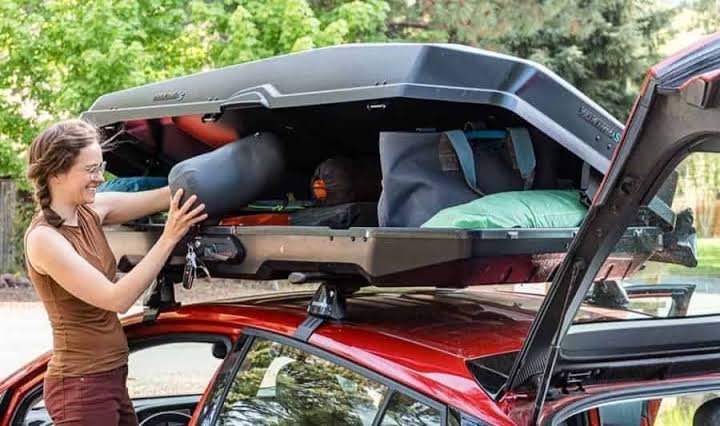
Your packing list depends on the destination and season, but some items can be useful.
Consider carrying:
- Phone charger
- Power bank
- Water
- Snacks
- Sunglasses
- First-aid supplies
- Important documents
- Offline maps
- Emergency contact details
- Weather-appropriate clothing
If you are travelling with children, consider entertainment, snacks and other items that make long journeys easier.
Avoid Unnecessary Rental Extras
When learning how to rent a car for a road trip, it is important to distinguish between useful extras and unnecessary costs.
Rental companies may offer:
- GPS
- Child seats
- Wi-Fi
- Roadside assistance
- Additional protection
- Toll services
Some may be useful for your particular trip, while others may duplicate services you already have.
For example, you may not need a rental GPS if your phone and vehicle provide suitable navigation.
Check the cost of each extra before accepting it.
Check the Cancellation Policy
Travel plans can change.
Before booking your road trip rental, check the cancellation and modification policy.
Look for:
- Free cancellation period
- Cancellation charges
- Modification fees
- Prepaid conditions
- Refund rules
A flexible rental may be useful if your plans are not completely confirmed.
Book the Right Rental Period
When deciding how to rent a car for a road trip, make sure the rental period covers your complete journey.
Avoid creating a schedule that requires you to return the vehicle too early.
At the same time, do not automatically add unnecessary rental days.
Compare the total price for different rental periods and consider your actual itinerary.
How to Save Money on a Road Trip Rental
There are several ways to reduce your total rental cost.
Compare Multiple Providers
Check several rental companies before booking.
Choose the Right Vehicle
Avoid paying for unnecessary size or luxury features.
Check Mileage
Unlimited mileage can be useful for long trips.
Compare Pickup Locations
Airport and off-airport rates may differ.
Avoid Unnecessary Extras
Only pay for services you actually need.
Check Fuel Economy
A fuel-efficient vehicle can reduce operating costs.
Compare Insurance
Check existing coverage before purchasing additional protection.
Book With Flexible Terms
If your plans may change, consider the value of flexible cancellation.
Common Mistakes to Avoid
Choosing the Cheapest Car Without Checking Space
A low price does not help if your luggage does not fit.
Ignoring Mileage Restrictions
Long road trips can quickly exceed mileage limits.
Forgetting Fuel Costs
Fuel can represent a large part of your road trip budget.
Not Checking Insurance
Understand what is covered before driving away.
Adding Unnecessary Extras
Optional equipment can increase the final price.
Failing to Document Damage
Always inspect and photograph the vehicle before departure.
Forgetting Parking and Tolls
Include these costs in your travel budget.
Returning the Car Late
Check the exact return time and location.
Road Trip Rental Checklist
Before booking, use this simple checklist:
- Choose the right vehicle size
- Check luggage capacity
- Estimate total driving distance
- Check mileage policy
- Compare rental prices
- Check insurance
- Review fuel policy
- Check additional driver fees
- Compare pickup locations
- Check one-way fees
- Estimate fuel costs
- Estimate tolls
- Estimate parking
- Read cancellation terms
- Check local driving rules
- Inspect the vehicle at pickup
- Photograph existing damage
- Record mileage and fuel level
- Save emergency contact details
- Confirm return instructions
Must Read:
- Self-Drive Car Rental vs Chauffeur Service: Which Is Better?
- How to Find Cheap Car Rental Deals Without Hidden Fees?
- How Much Does a Car Rental Cost? A Complete Guide
Final Thoughts:
Learning how to rent a car for a road trip is about more than finding the lowest daily rental price. The right vehicle should match your route, passengers, luggage, driving distance and comfort requirements.
Start by estimating how far you will travel and choose a vehicle that can comfortably handle the journey. Check whether the rental includes unlimited mileage, and understand the fuel policy before booking. For long journeys, fuel efficiency can make a noticeable difference to your overall budget.
Insurance is another important consideration. Check your existing auto insurance, credit card benefits or travel insurance before purchasing additional rental protection. Make sure you understand deductibles, exclusions and coverage limits.
When comparing rental options, look at the complete cost. Include the rental price, taxes, insurance, fuel, tolls, parking, additional drivers and optional extras. A rental with a slightly higher daily rate may provide better value if it offers better terms.
Before driving away, inspect the car carefully. Photograph existing damage, record the mileage and fuel level, and make sure any existing issues are documented by the rental company.
During the trip, plan regular breaks, follow local driving rules and avoid driving when tired. Keep emergency contact information available and download offline maps if your route includes areas with limited mobile coverage.
Finally, return the vehicle according to the rental agreement. Check the fuel level, mileage, return location and time before handing back the keys.
A well-planned rental can make your road trip more comfortable, flexible and enjoyable. By understanding how to rent a car for a road trip and checking the important details before booking, you can choose a vehicle that fits your journey and avoid many common rental problems.