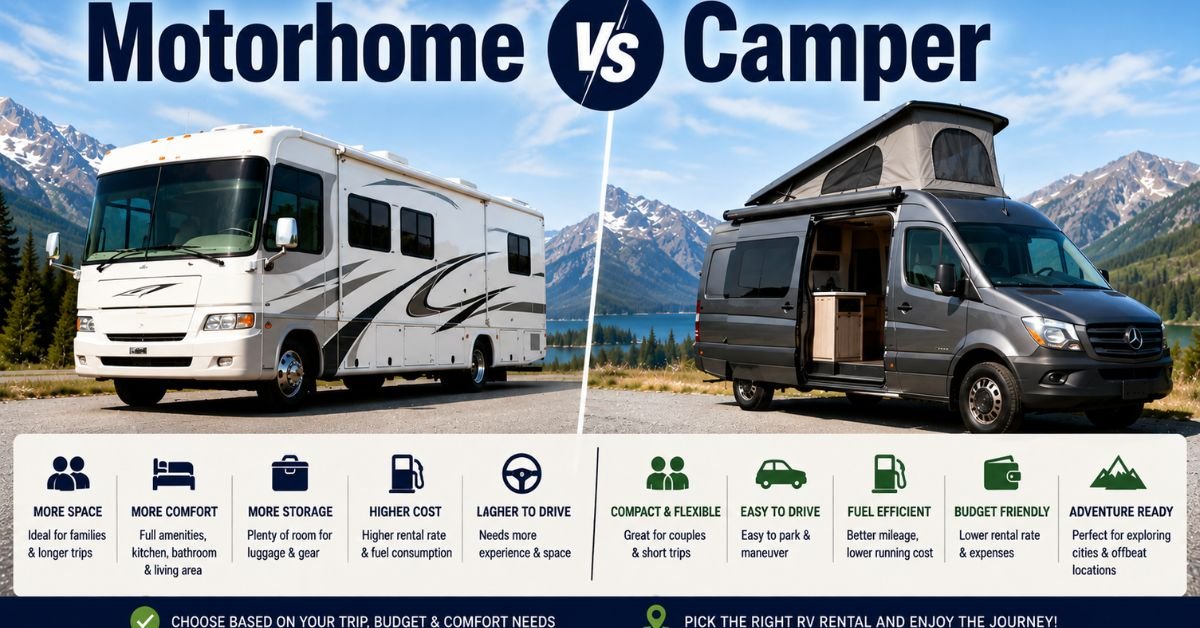
Choosing between a motorhome and a camper can make a big difference to your road trip experience. Both options can give you the freedom to travel with your accommodation, but they are designed for different types of travellers, routes, budgets, and travel styles. Before booking an RV rental, it is worth understanding how these vehicles compare and which option matches your needs.
A motorhome generally provides more living space, built-in facilities, and comfort. A camper, especially a compact campervan, can be easier to drive, park, and manage on smaller roads. The right choice depends on how many people are travelling, how much space you need, how far you plan to drive, and how comfortable you are with a larger vehicle.
This guide explains motorhome vs camper differences in simple terms. You will learn about size, sleeping arrangements, kitchens, bathrooms, storage, driving, fuel costs, campsite requirements, comfort, pricing, and other factors to consider before choosing an RV rental.
What Is a Motorhome?
A motorhome is a recreational vehicle that combines a living area with a motor vehicle. Unlike a towable trailer, the living space is built directly into the vehicle.
Motorhomes come in different sizes and layouts, but many provide facilities such as:
- Sleeping areas
- Kitchen
- Refrigerator
- Bathroom
- Shower
- Dining area
- Storage
- Heating
- Air conditioning
- Entertainment systems
- Electrical systems
Larger motorhomes can feel similar to a small home on wheels.
Common Motorhome Types
Motorhomes are generally divided into several categories.
Class A Motorhomes
Class A motorhomes are usually the largest option. They can offer substantial interior space, multiple sleeping areas, large kitchens, bathrooms, storage, and comfortable living areas.
They can be suitable for families or travellers who want a high level of comfort.
The main trade-offs are size, fuel consumption, and driving difficulty.
Class C Motorhomes
Class C motorhomes are often smaller than Class A models while still providing useful living facilities.
Many feature an over-cab sleeping area, kitchen, bathroom, dining space, and additional sleeping arrangements.
For many families and first-time RV travellers, a Class C can provide a practical balance between space and drivability.
What Is a Camper?
A camper can refer to several types of compact recreational vehicles. In the context of an RV rental, the term often refers to a campervan or smaller camper vehicle.
A campervan combines driving and sleeping facilities in one compact vehicle.
Depending on the model, it may include:
- Sleeping area
- Small kitchen
- Refrigerator
- Portable or built-in cooking equipment
- Storage
- Heating
- Electricity
- Compact bathroom or toilet
Some campers are very simple, while others are equipped with surprisingly comfortable interiors.
Campervans for Couples
A campervan can be a strong option for couples who want to travel efficiently without managing a large motorhome.
The compact design can make it easier to drive through towns, park at attractions, and explore roads where larger RVs may be inconvenient.
Campers for Solo Travellers
Solo travellers may prefer a smaller camper because there is less space to manage and fewer operating requirements.
A compact RV rental can also make short weekend trips easier.
Motorhome vs Camper: The Main Difference
The biggest difference between a motorhome and a camper is usually space and size.
A motorhome generally provides more living space and facilities, while a camper focuses on compact travel and practical accommodation.
| Feature | Motorhome | Camper |
|---|---|---|
| Size | Usually larger | Usually smaller |
| Interior space | More | Less |
| Sleeping capacity | Often higher | Usually lower |
| Kitchen | Larger | Compact |
| Bathroom | Common in larger models | May be limited |
| Storage | More | Less |
| Driving | More challenging | Usually easier |
| Parking | More difficult | Easier |
| Fuel use | Often higher | Often lower |
| Comfort | Higher for longer stays | Good for compact travel |
| Best for | Families and longer trips | Couples and shorter trips |
These are general differences. Specific vehicles can vary significantly.
Compare the Size of the RV Rental
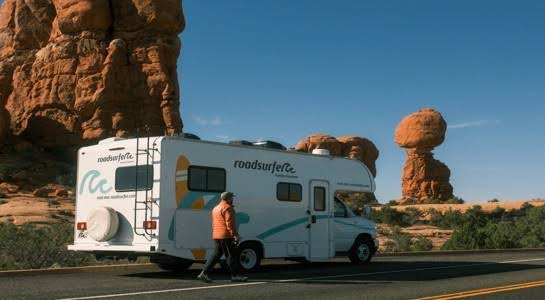
Size should be one of the first things you consider when choosing an RV rental.
A larger vehicle provides more room, but it also requires more space on the road and at campsites.
Benefits of a Larger Motorhome
A large motorhome can provide:
- More seating
- More sleeping space
- Larger kitchen
- Bigger bathroom
- More storage
- More indoor living space
This can be valuable when travelling with children or spending several weeks on the road.
Benefits of a Smaller Camper
A camper can be easier to manage because of its compact size.
You may find it easier to:
- Park in cities
- Navigate narrow roads
- Visit attractions
- Enter smaller fuel stations
- Drive through busy areas
- Find suitable parking
If you plan to spend most of your day exploring and only use the vehicle for sleeping and basic meals, a camper may be enough.
Motorhome vs Camper for Families
Families should pay close attention to sleeping capacity and living space when comparing an RV rental.
Why Families May Prefer a Motorhome
A motorhome generally offers more room for several travellers.
Children can have dedicated sleeping areas, while adults can use the main bedroom or other sleeping spaces.
A larger kitchen and bathroom can also make family travel more convenient.
When a Camper Can Work for a Family
A camper can work for a small family if everyone is comfortable with limited space.
However, check the actual sleeping arrangement rather than relying only on the advertised capacity.
A vehicle may technically sleep four people, but two of the beds might require converting the dining area every night.
Motorhome vs Camper for Couples
Couples have more flexibility when selecting an RV rental.
A camper can be particularly attractive because two people can comfortably use a smaller space.
Why Couples May Choose a Camper
A compact camper can offer:
- Easier driving
- Easier parking
- Lower fuel consumption
- Lower space requirements
- Simple setup
- Flexible travel
When a Motorhome Makes Sense
A couple may still prefer a motorhome if comfort is more important than compact size.
If you plan to spend several weeks travelling or expect to spend more time inside the vehicle, additional living space can be valuable.
Compare Sleeping Arrangements
Sleeping arrangements are one of the most important factors in any RV rental decision.
Motorhome Sleeping Options
A motorhome may include:
- Permanent rear bedroom
- Over-cab bed
- Bunk beds
- Convertible dinette
- Sofa bed
This makes larger motorhomes suitable for families and groups.
Camper Sleeping Options
Campers usually have fewer sleeping areas.
A compact campervan may have one main bed that converts from a seating area.
Before booking, check:
- Bed dimensions
- Mattress type
- Number of beds
- Conversion requirements
- Sleeping privacy
Do not choose an RV based only on the number of people it claims to accommodate.
Compare Kitchen Facilities
If you plan to cook regularly, the kitchen can influence your decision.
Motorhome Kitchens
Larger motorhomes may include:
- Full-size refrigerator
- Freezer
- Multiple burners
- Oven
- Microwave
- Large sink
- Counter space
- Storage cabinets
This can make preparing family meals easier.
Camper Kitchens
Camper kitchens are generally more compact.
They may include:
- Small refrigerator
- One or two burners
- Small sink
- Limited counter space
- Basic storage
For simple meals such as pasta, sandwiches, eggs, and snacks, a camper kitchen may be perfectly adequate.
Compare Bathroom Facilities
Bathroom availability can be a major deciding factor.
Motorhome Bathrooms
Many larger motorhomes include a dedicated bathroom with:
- Toilet
- Shower
- Sink
- Mirror
- Storage
This can be particularly useful for families and long journeys.
Camper Bathroom Options
Some campers have compact bathrooms or wet baths.
Others may have portable toilets or no dedicated bathroom.
If you are not comfortable relying on campground facilities, confirm exactly what bathroom facilities are included in your RV rental.
Compare Storage Space
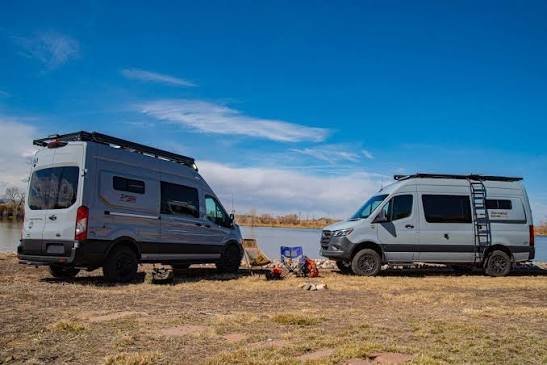
Storage is easy to underestimate.
Motorhome Storage
A larger motorhome can provide significant storage for:
- Clothing
- Food
- Camping equipment
- Outdoor gear
- Luggage
- Sports equipment
This can be useful on long trips.
Camper Storage
A compact camper has less storage space.
You will need to pack carefully and avoid unnecessary luggage.
Soft bags and packing cubes can help make better use of available space.
Compare Driving and Handling
Driving experience is another major difference between a motorhome and a camper.
Driving a Motorhome
Large motorhomes require greater awareness of:
- Vehicle length
- Vehicle width
- Vehicle height
- Turning radius
- Braking distance
- Rear clearance
- Parking space
If you have never driven a large vehicle, it may take time to become comfortable.
Driving a Camper
A smaller camper is generally easier to manoeuvre.
It can feel closer to driving a large van than a full-sized motorhome, depending on the model.
This can be an advantage for first-time RV renters.
Compare Fuel Costs
Fuel can represent a significant part of your road trip budget.
Motorhome Fuel Consumption
Large motorhomes can consume more fuel because they are heavier and have larger engines.
If you plan to drive long distances, this can significantly affect the total cost of your RV rental trip.
Camper Fuel Efficiency
A compact camper may use less fuel, although fuel efficiency varies by vehicle.
Do not assume every camper is highly fuel-efficient. Check the specific vehicle and use realistic estimates.
Compare Parking
Parking can affect your travel experience more than you might expect.
Motorhome Parking
Large motorhomes may not fit into:
- Small parking spaces
- Underground car parks
- Narrow streets
- Certain attractions
- Some city-centre areas
You may need to park outside busy areas and use public transport or another method to reach attractions.
Camper Parking
A compact camper can be easier to park in normal spaces, depending on its dimensions.
This can give you more flexibility when visiting towns and attractions.
Compare Campsite Requirements
Your chosen RV rental must be compatible with your campsite.
Large Motorhomes
Larger vehicles may require longer campsites.
You may also need to check:
- Maximum vehicle length
- Hookup availability
- Turning space
- Access roads
- Height restrictions
Campers
Smaller campers can often fit into more campsite types.
This does not mean every campsite will accept every camper, so always check the site’s requirements.
Compare Comfort for Long Trips
If you are planning a long road trip, comfort becomes increasingly important.
Motorhome Comfort
A motorhome can provide more room to move around, prepare meals, relax, and sleep.
This can be valuable during multi-week trips.
Camper Comfort
A camper can still be comfortable, but the limited interior space may become more noticeable during long stays.
If you expect to spend most of your time outdoors, this may not be a major issue.
Motorhome vs Camper for Short Trips
For a short weekend trip, a camper may be more practical.
You can pack less, drive more easily, and spend more time exploring.
A large motorhome may provide more comfort, but you may not need all that space for a two- or three-night trip.
Motorhome vs Camper for Long Trips
For a longer journey, a motorhome can become more attractive.
Additional storage, sleeping space, kitchen facilities, and bathrooms can make extended travel more comfortable.
However, the additional rental and fuel costs should be included in your budget.
Compare Rental Prices
The cost of an RV rental depends on the vehicle, location, season, availability, rental duration, and included features.
Camper Rental Costs
A compact camper can sometimes have a lower base rental price than a larger motorhome.
However, this is not guaranteed.
Premium campervans can be expensive because of their design, age, features, and demand.
Motorhome Rental Costs
Larger motorhomes generally require a larger budget, but they can provide more facilities.
Compare the complete price rather than assuming the cheapest vehicle is the best value.
Compare Additional Fees
Before booking your RV rental, check for:
- Mileage fees
- Cleaning fees
- Insurance
- Generator fees
- Pet fees
- Additional driver fees
- Equipment fees
- Delivery charges
- Service fees
- Security deposits
These charges can significantly change the final price.
Compare Insurance Requirements
Insurance should be part of your motorhome vs camper comparison.
Motorised RVs and towable campers can have different insurance arrangements.
Before booking, ask:
- What insurance is included?
- What is the liability limit?
- Is collision coverage included?
- Is comprehensive coverage included?
- What is the deductible?
- Are all drivers covered?
- Is roadside assistance included?
Do not assume your regular car insurance automatically covers every type of RV rental.
Motorhome vs Camper for First-Time RV Renters
If this is your first RV trip, a smaller camper may feel less intimidating.
Why a Camper Can Be Easier
A compact vehicle can be easier to:
- Drive
- Park
- Refuel
- Manoeuvre
- Navigate through towns
This can help you build confidence.
Why a Motorhome Can Still Be a Good Choice
A motorhome can be suitable for first-time renters if you need more space and are willing to spend time learning the vehicle.
Ask the rental provider for a detailed walkthrough before departure.
Learn how the:
- Water system
- Electrical system
- Refrigerator
- Heating
- Air conditioning
- Toilet
- Waste tanks
- Generator
- Awning
work before you start driving.
Motorhome vs Camper for Remote Travel
If you plan to travel through remote areas, consider the vehicle’s range, water capacity, storage, power systems, and maintenance requirements.
A larger motorhome may offer greater water and storage capacity.
A smaller camper may be easier to manoeuvre on narrow roads.
Always follow the rental agreement regarding road surfaces and permitted areas. Some rental companies restrict travel on certain unpaved or difficult roads.
Motorhome vs Camper for City Travel
A camper can have a clear advantage when your trip includes several cities.
Its smaller dimensions can make urban travel easier.
A large motorhome may be inconvenient in dense city centres.
You may need to leave the RV at a campsite and use public transport.
If your trip combines cities and outdoor destinations, consider how often you will need to drive and park the vehicle.
Motorhome vs Camper for National Park Trips
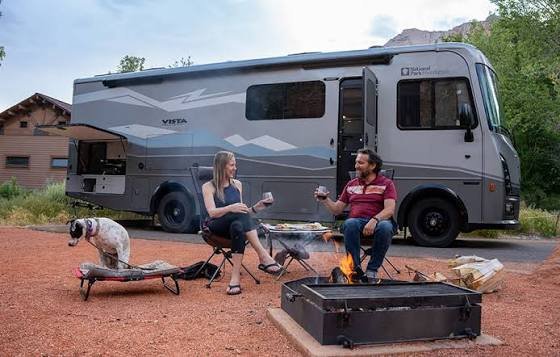
Both options can work well for outdoor travel.
However, vehicle size matters.
Some roads, parking areas, and campsites have restrictions on larger vehicles.
Before booking your RV rental, check the rules and access requirements for the destinations you plan to visit.
Compare Amenities
Think about which amenities you will actually use.
Motorhome Amenities
A larger motorhome may offer:
- Larger kitchen
- Bathroom
- Shower
- Multiple beds
- TV
- Larger refrigerator
- More storage
- Dining area
Camper Amenities
A camper may provide:
- Compact kitchen
- Sleeping area
- Small refrigerator
- Heating
- Charging facilities
- Basic storage
If you spend most of your time outdoors, you may not need extensive indoor amenities.
Which RV Rental Is Better for Your Budget?
Your budget should include more than the rental price.
Calculate:
Rental + insurance + fuel + mileage + campsite + food + additional fees
A camper may have a lower rental cost but fewer facilities.
A motorhome may cost more but reduce the need for hotels, restaurants, or additional equipment.
Compare the total trip cost rather than the vehicle price alone.
Motorhome vs Camper: Pros and Cons
Motorhome Pros
- More living space
- More sleeping capacity
- Larger kitchen
- Bathroom facilities
- More storage
- Better for families
- Comfortable for longer trips
Motorhome Cons
- Larger and harder to drive
- Higher fuel consumption
- More expensive in many cases
- More difficult to park
- May have campsite size restrictions
Camper Pros
- Compact
- Easier to drive
- Easier to park
- Often practical for couples
- Good for short trips
- Can be easier to manoeuvre
Camper Cons
- Less living space
- Limited storage
- Smaller kitchen
- Bathroom may be limited or unavailable
- Less comfortable for larger groups
Questions to Ask Before Choosing an RV Rental
Before booking, ask yourself:
How Many People Are Travelling?
The number of travellers should influence your sleeping and seating requirements.
How Long Is the Trip?
A small camper may work perfectly for a weekend but feel cramped during a three-week journey.
How Much Driving Will You Do?
Long-distance travel makes fuel efficiency and driving comfort more important.
Where Will You Stay?
Check campsite dimensions and facilities before selecting your vehicle.
Do You Need a Bathroom?
If a private bathroom is essential, your choice may be limited to certain motorhomes or larger campers.
Do You Plan to Cook?
If you will prepare most meals yourself, compare kitchen facilities carefully.
How Comfortable Are You Driving a Large Vehicle?
If you are nervous about driving a large motorhome, consider a smaller option.
A Simple Motorhome vs Camper Comparison
| Factor | Motorhome | Camper |
|---|---|---|
| Best for | Families and long trips | Couples and short trips |
| Space | High | Moderate to limited |
| Driving | More demanding | Easier |
| Parking | More difficult | Easier |
| Kitchen | Usually larger | Compact |
| Bathroom | Common in larger models | Varies |
| Storage | More | Less |
| Fuel | Often higher | Often lower |
| Comfort | High | Good |
| Flexibility | Good | Excellent for compact travel |
How to Choose the Right RV Rental
The best RV rental is the one that fits your actual trip rather than the one with the most features.
Choose a motorhome if you:
- Travel with a family
- Need several beds
- Want a private bathroom
- Plan a long trip
- Need lots of storage
- Want more indoor living space
- Prefer comfort over compact size
Choose a camper if you:
- Travel as a couple
- Take shorter trips
- Want easier driving
- Expect to visit cities
- Prefer a compact vehicle
- Spend most of your time outdoors
- Want simpler travel
Must Read:
- What to Pack for Your First RV Rental Trip?
- How to Compare RV Rental Options Before Booking?
- RV Rental Insurance: What Coverage Do You Need?
Final Thoughts:
The choice between a motorhome and camper comes down to how you plan to travel. Both can provide an excellent RV rental experience, but they serve different needs.
A motorhome is generally better for travellers who value space, comfort, storage, sleeping capacity, kitchen facilities, and bathroom access. Families and people planning longer trips may appreciate the extra room.
A camper is generally better for travellers who value flexibility, compact size, easier driving, and simpler travel. Couples and solo travellers can often make excellent use of a smaller camper, particularly when most of the trip will be spent exploring outdoors.
Price should also be part of your decision, but it should not be the only factor. Consider fuel, mileage, insurance, campsite costs, deposits, equipment, and other fees when comparing an RV rental.
Think carefully about your route, too. If you plan to visit cities, narrow roads, busy attractions, or smaller campsites, a compact camper can be easier to manage. If you are planning a long family road trip with plenty of time spent inside the vehicle, a larger motorhome may provide a much more comfortable experience.
Before booking, compare sleeping arrangements, kitchen facilities, bathroom options, storage, vehicle dimensions, fuel consumption, insurance, mileage allowances, and rental policies. Read recent reviews and ask the rental provider questions about anything that is unclear.
Most importantly, choose an RV rental that matches your travel style. You do not necessarily need the biggest vehicle or the most luxurious features. You need enough space and equipment to travel comfortably while keeping the vehicle practical for your route.
Whether you choose a motorhome or camper, careful planning can make your first RV road trip much easier. Compare your options, understand the total cost, consider your driving confidence, and select the vehicle that gives you the right balance of comfort, convenience, flexibility, and value.