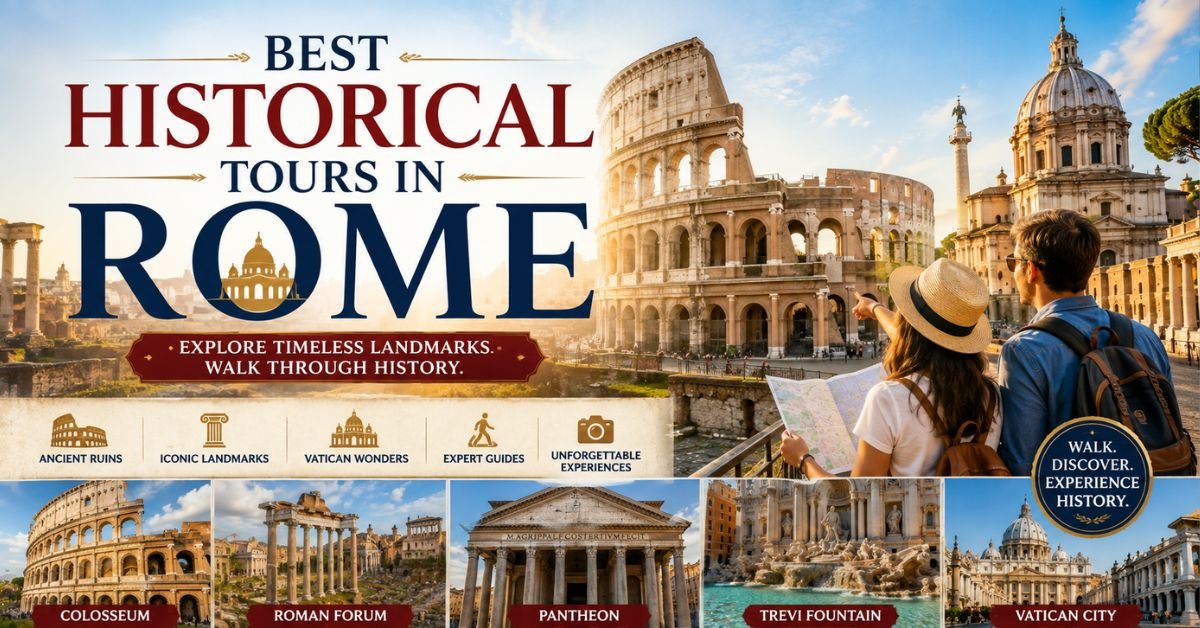
The Best Historical Tours in Rome offer travellers an opportunity to experience thousands of years of history in one of the world’s most fascinating cities. Rome is filled with ancient ruins, Roman monuments, Renaissance buildings, churches, museums, fountains and historic neighbourhoods. Walking through the city often feels like travelling through different periods of European history.
The Best Historical Tours in Rome can take you from the Colosseum and Roman Forum to the Pantheon, Trevi Fountain, Piazza Navona and Vatican City. Some tours focus on Ancient Rome, while others explore Renaissance architecture, Christian history, art and local neighbourhoods.
For first-time visitors, a guided walking tour can make Rome much easier to understand. Instead of seeing an ancient building without knowing its purpose, a knowledgeable guide can explain how it was built, what happened there and why it remains important today.
The Best Historical Tours in Rome are available as walking tours, private tours, small-group experiences, museum visits and themed historical tours. You can choose a short two-hour experience or spend an entire day exploring Rome’s major landmarks.
This guide covers the Best Historical Tours in Rome, including famous landmarks, ancient ruins, walking routes, historic neighbourhoods, booking tips, family-friendly options and practical advice for planning your trip.
Why Choose the Best Historical Tours in Rome?
Rome has an extraordinary concentration of historical attractions. Many major landmarks are located within walking distance of each other, making the city particularly suitable for walking tours.
The Best Historical Tours in Rome allow you to see important landmarks while learning about the people, events and cultures connected with them.
Learn About Ancient Rome
Ancient Rome is one of the biggest attractions for visitors. The Colosseum, Roman Forum and Palatine Hill provide an opportunity to understand the political, social and architectural development of the Roman Empire.
Explore Renaissance Rome
Rome’s history did not end with the ancient period. Renaissance and Baroque architecture can be seen throughout the historic centre.
Discover Religious History
Rome has played an important role in Christian history for centuries. Churches, basilicas, catacombs and Vatican landmarks provide another major part of the city’s historical identity.
Explore on Foot
Walking tours are particularly useful because many historic attractions are located along pedestrian-friendly streets and piazzas.
Best Historical Tours in Rome for First-Time Visitors
If this is your first visit, the Best Historical Tours in Rome should ideally include a mixture of ancient landmarks and historic city-centre attractions.
A classic itinerary can begin with the Colosseum and Roman Forum before continuing towards the Pantheon, Trevi Fountain and Piazza Navona.
This type of tour provides a broad introduction to Rome and helps you understand how different periods of history overlap across the city.
A guided tour can also save time because the guide usually knows the best route between attractions and can explain what you are seeing along the way.
Best Historical Tours in Rome: Colosseum
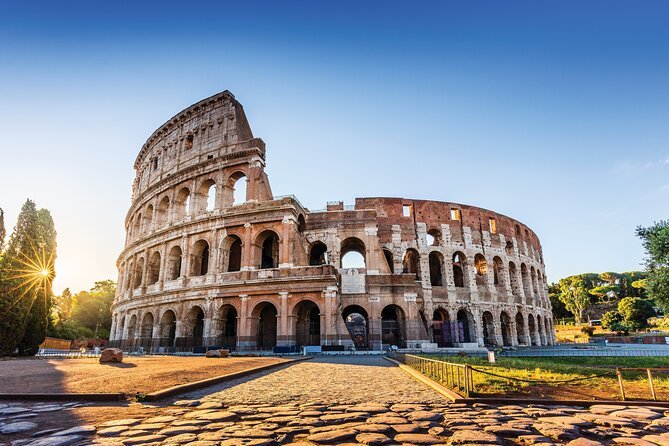
The Colosseum is one of the most recognisable landmarks in Rome and a major highlight of the Best Historical Tours in Rome.
Construction began under Emperor Vespasian and the amphitheatre was completed under his son Titus in the first century AD. The building was used for public spectacles, including gladiatorial contests and other events.
Colosseum Guided Tours
A guided Colosseum tour can provide much more context than simply visiting the monument independently.
A guide can explain how the amphitheatre was designed, how crowds entered the building and how different areas were used.
Colosseum and Roman Forum Tours
Combining the Colosseum with the Roman Forum is a popular option.
The Roman Forum was the centre of political, religious and commercial life in ancient Rome. Walking between the ruins provides a clearer picture of how the ancient city functioned.
Colosseum Underground Tours
Some specialised experiences provide access to areas below the main arena.
These tours can be particularly interesting for travellers who want to understand the technical side of Roman entertainment architecture.
Availability and access rules can change, so check the official booking information before choosing a specific tour.
Best Historical Tours in Rome: Roman Forum
The Roman Forum is essential for travellers interested in Ancient Rome.
The ruins include temples, government buildings, arches and public spaces that played important roles in Roman life.
What to See in the Roman Forum
Depending on your route, you may see:
- Temple ruins
- Ancient basilicas
- Triumphal arches
- Sacred areas
- Government buildings
- Historic roads
- Columns and monuments
The Best Historical Tours in Rome explain how these structures were connected to Roman politics, religion and everyday life.
Palatine Hill
Palatine Hill is located beside the Roman Forum and is often included in Ancient Rome tours.
According to Roman tradition, the hill is associated with the foundation of Rome and the story of Romulus and Remus.
The hill also became an important residential area for wealthy Romans and emperors.
A combined Colosseum, Roman Forum and Palatine Hill tour is one of the most comprehensive ways to explore Ancient Rome.
Best Walking Tours in Rome Historic Centre
The historic centre is perfect for the Best Historical Tours in Rome because several famous landmarks can be visited on foot.
A typical walking route can include:
- Pantheon
- Trevi Fountain
- Piazza Navona
- Spanish Steps
- Piazza Venezia
- Campo de’ Fiori
These attractions represent different periods of Roman history and architecture.
Pantheon
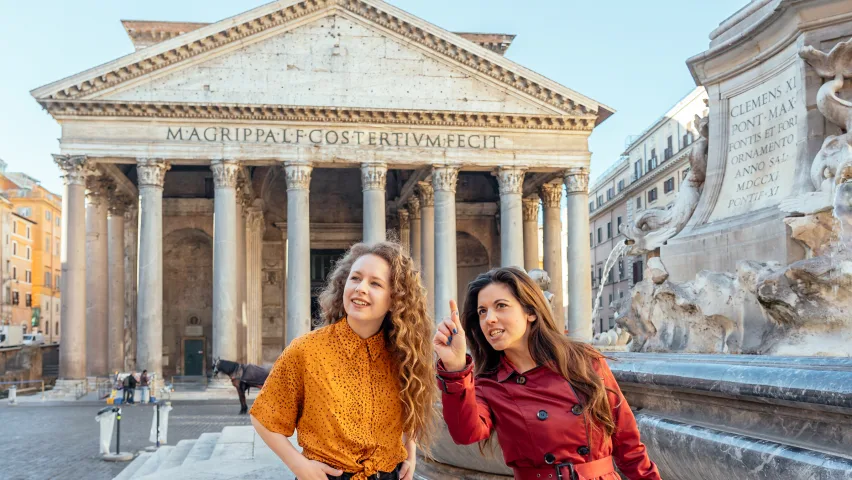
The Pantheon is one of Rome’s best-preserved ancient buildings.
Its enormous dome and distinctive interior make it one of the most impressive architectural sights in the city.
A guided tour can explain the building’s ancient origins and its later religious use.
Trevi Fountain
The Trevi Fountain is one of Rome’s most famous Baroque landmarks.
Although many visitors come primarily to take photographs and follow the traditional coin-tossing custom, a historical walking tour can explain the fountain’s design and its connection with Rome’s water system.
Piazza Navona
Piazza Navona is built on the site associated with the ancient Stadium of Domitian.
The square is particularly famous for its Baroque architecture and fountains.
A guide can explain how the area developed from an ancient sporting site into one of Rome’s most beautiful public spaces.
Best Renaissance Tours in Rome
Renaissance history is another important part of the Best Historical Tours in Rome.
During the Renaissance, Rome became a major centre of art, architecture and culture.
Renaissance Architecture
Walking tours can introduce visitors to churches, palaces, fountains and public squares created or transformed during the Renaissance and later Baroque periods.
Michelangelo and Rome
Michelangelo’s work is closely associated with Rome.
Visitors can explore locations connected with his architecture, sculpture and artistic legacy.
A specialised art and history tour can be useful if you want to understand the relationship between Renaissance artists and the city’s powerful religious and political institutions.
Best Vatican Historical Tours
Vatican City is an important part of the Best Historical Tours in Rome, particularly for visitors interested in art, religion and European history.
Vatican Museums
The Vatican Museums contain an enormous collection of art and historical objects.
A guided tour can help visitors focus on major highlights instead of trying to understand the entire collection in one visit.
Sistine Chapel
The Sistine Chapel is one of the most famous attractions in Vatican City.
Michelangelo’s ceiling and The Last Judgment are among the best-known works associated with the chapel.
Visitors should follow current photography and visitor rules because regulations can apply inside the chapel.
St Peter’s Basilica
St Peter’s Basilica is one of the world’s most important churches and a major architectural landmark.
A historical tour can explain its construction, major artworks and connection with the history of the Catholic Church.
Best Ancient Rome Walking Tours
An Ancient Rome walking tour is one of the best choices for travellers interested specifically in Roman history.
A route can connect the Colosseum, Roman Forum, Palatine Hill, Circus Maximus and nearby archaeological areas.
Circus Maximus
Circus Maximus was an enormous ancient Roman chariot-racing venue.
Today, the site is largely an open archaeological area, but its size provides an idea of the scale of public entertainment in ancient Rome.
Capitoline Hill
Capitoline Hill was one of the most important hills of ancient Rome.
The area remains historically significant and includes the Piazza del Campidoglio, associated with Michelangelo’s architectural design.
Theatre of Marcellus
The Theatre of Marcellus is another important ancient structure.
Its surviving remains demonstrate how Roman entertainment buildings could influence later architecture.
Best Underground Tours in Rome
Travellers looking for something different can choose underground historical experiences.
Rome has layers of history beneath its modern streets.
Roman Catacombs
Catacombs provide an opportunity to learn about early Christian burial practices.
These tours can be particularly interesting for visitors who want to explore Rome’s religious history beyond major churches.
Underground Churches
Some churches and archaeological sites contain remains from earlier periods beneath the current buildings.
Access varies by location, so check the exact tour details before booking.
Why Choose an Underground Tour?
An underground experience can show a side of Rome that is easy to miss during a standard sightseeing itinerary.
It can also demonstrate how the city has been built and rebuilt over centuries.
Best Historical Tours in Trastevere
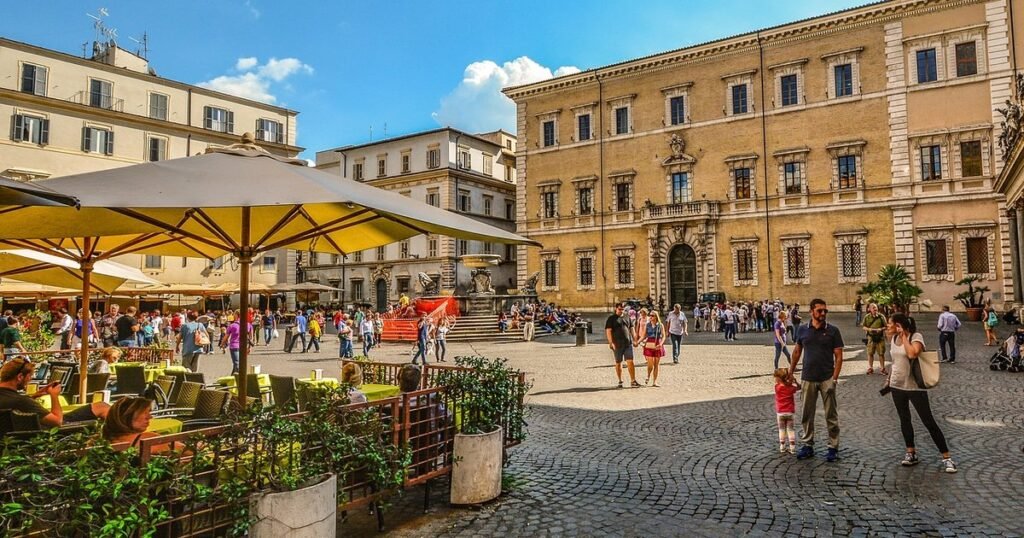
Trastevere is one of the most atmospheric areas for the Best Historical Tours in Rome.
The neighbourhood is known for narrow streets, traditional buildings, restaurants, churches and lively public spaces.
Basilica of Santa Maria in Trastevere
The Basilica of Santa Maria in Trastevere is one of the neighbourhood’s major historic landmarks.
A walking tour can explain the church’s importance and the development of Trastevere over the centuries.
Evening Walking Tours
Trastevere can be particularly enjoyable in the evening.
An evening historical and food walking tour can combine architecture with local cuisine.
This is a good choice for travellers who want history without spending the entire evening inside a museum.
Best Historical Tours in Rome for Food Lovers
Food may not seem like a historical activity, but Rome’s cuisine is closely connected to local traditions.
Food walking tours can introduce visitors to traditional dishes while explaining how Roman food culture developed.
Traditional Roman Food
A food-focused historical tour may include:
- Pasta dishes
- Pizza
- Supplì
- Artisanal gelato
- Local cheeses
- Cured meats
- Roman-style street food
Campo de’ Fiori
Campo de’ Fiori is a popular stop on many food and walking tours.
The square has a long history and is also associated with a daytime market.
A guide can combine information about the area’s past with local food recommendations.
Best Historical Tours in Rome for Families
The Best Historical Tours in Rome can be enjoyable for families, but tour length is important.
Young children may struggle with a long museum or archaeological tour.
Family-Friendly Walking Tours
Look for shorter tours that use storytelling, games or interactive activities.
Children may find stories about Roman emperors, gladiators and ancient life more engaging than a long list of dates.
Colosseum for Children
The Colosseum is often a strong choice because the building itself is visually impressive.
A family guide can explain gladiators and Roman entertainment in an age-appropriate way.
Take Regular Breaks
Rome can become hot during summer.
Schedule breaks for drinks, food and rest, especially when travelling with children.
Best Historical Tours in Rome for Couples
Couples can choose private or small-group historical experiences.
A sunset walking tour through the historic centre can combine landmarks with a more relaxed atmosphere.
Romantic Historic Areas
Consider visiting:
- Piazza Navona
- Trevi Fountain
- Spanish Steps
- Trastevere
- Ponte Sant’Angelo
An evening tour can be particularly enjoyable because many historic areas take on a different atmosphere after sunset.
Best Private Historical Tours in Rome
Private tours are among the Best Historical Tours in Rome for travellers who want flexibility.
A private guide can adapt the itinerary according to your interests.
For example, an Ancient Rome enthusiast can spend more time around archaeological sites, while an art lover can focus on churches, museums and Renaissance architecture.
Benefits of Private Tours
Private tours can provide:
- Flexible schedules
- Personalised routes
- More opportunities to ask questions
- Customised interests
- Private transportation when included
The main disadvantage is usually a higher cost compared with shared group tours.
Best Small-Group Historical Tours in Rome
Small-group tours offer a middle ground between private and large-group experiences.
They are often more affordable than private tours while still allowing visitors to interact with the guide.
A small group can also make it easier to hear commentary and ask questions.
When comparing the Best Historical Tours in Rome, check the maximum group size rather than assuming every “small group” tour has the same number of participants.
Best Night Historical Tours in Rome
Rome can be especially atmospheric after dark.
Night tours can show famous landmarks under evening lighting while avoiding some of the daytime heat.
Rome at Night
A night walking route may include:
- Trevi Fountain
- Pantheon
- Piazza Navona
- Spanish Steps
- Colosseum exterior
Some tours also combine history with local legends and stories.
These tours are often less focused on archaeological detail and more focused on atmosphere, storytelling and Rome’s evening character.
Best Time to Take Historical Tours in Rome
The ideal time for the Best Historical Tours in Rome depends on weather, crowds and your preferred experience.
Spring
Spring generally provides comfortable conditions for walking.
Popular landmarks can still be busy, particularly around holidays.
Summer
Summer can be very hot, so early-morning or evening tours can be more comfortable.
Carry water and wear appropriate clothing for long walks.
Autumn
Autumn can be a good period for walking tours because temperatures are often more comfortable.
Winter
Winter can provide a quieter experience at some attractions, although opening schedules and weather should be considered.
How Much Do Historical Tours in Rome Cost?
The cost of the Best Historical Tours in Rome varies depending on the tour type, duration, group size and attractions included.
Walking Tours
Basic walking tours are generally among the more affordable options.
Colosseum Tours
Tours that include entry tickets and special access usually cost more than simple exterior walking tours.
Vatican Tours
Vatican experiences can vary in price depending on group size, guide, ticket type and duration.
Private Tours
Private historical tours generally cost more because the guide’s time is dedicated to your group.
Always compare what is included before choosing a tour based only on price.
How to Choose the Best Historical Tour in Rome
There are many tour options, so choosing the Best Historical Tours in Rome requires a little planning.
Choose Your Historical Period
Decide whether you are most interested in:
- Ancient Rome
- Renaissance history
- Roman Catholic history
- Baroque architecture
- Art history
- Local neighbourhood history
Check the Walking Distance
Some tours involve several hours of walking.
Make sure the route matches your fitness level.
Check Entry Tickets
Confirm whether attraction admission is included.
Check the Language
English-language tours are widely available, but always verify the language before booking.
Check the Meeting Point
Historic Rome has many narrow streets and busy squares. Make sure you know the exact meeting location.
What to Bring on a Rome Walking Tour
The Best Historical Tours in Rome often involve several hours outdoors.
Bring:
- Comfortable walking shoes
- Reusable water bottle
- Sunglasses
- Sunscreen
- Hat
- Phone or camera
- Portable charger
- Light jacket
- Small backpack
If you plan to visit churches, carry clothing that meets their dress requirements.
Rome Historical Tour Booking Tips
Booking in advance can be useful for popular attractions.
Reserve Major Attractions Early
The Colosseum and Vatican Museums are among the city’s most popular attractions.
Availability can be limited during busy travel periods.
Compare Inclusions
A cheap tour may not include entry tickets.
Read the complete description before booking.
Check Cancellation Terms
Look at the cancellation and rescheduling policy.
Read Recent Reviews
Reviews can help you evaluate the guide, organisation, walking pace and overall experience.
Consider the Group Size
If you want a more personal experience, choose a small-group or private tour.
Sample One-Day Historical Walking Tour in Rome
A one-day historical itinerary can combine several major attractions.
Morning: Colosseum and Roman Forum
Start early with the Colosseum.
Continue through the Roman Forum and Palatine Hill.
Afternoon: Pantheon and Historic Centre
Walk towards the Pantheon and continue to Piazza Navona.
Stop for lunch along the way.
Evening: Trevi Fountain and Spanish Steps
Visit the Trevi Fountain before continuing to the Spanish Steps.
If you have enough energy, finish with an evening walk through the historic centre.
This itinerary provides a broad introduction to Ancient Rome and later historical periods.
FAQs:
What are the Best Historical Tours in Rome?
The Best Historical Tours in Rome include Colosseum and Roman Forum tours, Ancient Rome walking tours, Vatican historical tours, Renaissance walking tours, underground tours, Trastevere tours and historic-centre walking experiences.
What is the best historical attraction in Rome?
The Colosseum is one of Rome’s most famous historical attractions, but the Roman Forum, Pantheon, Vatican Museums and many historic churches are also important.
Is a guided tour of the Colosseum worth it?
A guided tour can be worthwhile if you want historical context and information about the architecture, Roman society and events held inside the amphitheatre.
How long should a Rome historical walking tour be?
Two to three hours can be suitable for a basic walking tour. Full-day experiences are better for travellers who want to explore several major historical sites.
Can children enjoy historical tours in Rome?
Yes. Family-focused tours that use stories and interactive activities can make Roman history easier for children to understand.
What is the best area for a historical walking tour in Rome?
The historic centre is an excellent choice because attractions such as the Pantheon, Trevi Fountain and Piazza Navona are relatively close together.
Should I book Rome historical tours in advance?
Booking in advance is recommended for popular attractions and busy travel periods, particularly if you want a specific date or time.
Are Rome walking tours suitable for older travellers?
Many are, but the walking distance and terrain should be considered. Private tours can be useful because the itinerary can be adjusted to a slower pace.
What should I wear for historical tours in Rome?
Wear comfortable walking shoes and lightweight clothing. If visiting churches or religious sites, choose clothing that meets their dress requirements.
Is Rome better explored on foot or by bus?
Walking is one of the best ways to experience historic Rome because many attractions are close together. However, buses, taxis and other transport options can help when attractions are farther apart.
Must Read:
- Best Adventure Tours in Thailand: Islands and Water Activities
- Best Family Activities in Singapore: Tours and Attractions
- Best Cultural Tours in Tokyo: Temples, Food and Local Life
Final Thoughts:
The Best Historical Tours in Rome provide an excellent way to understand the city’s extraordinary past while seeing some of its most famous landmarks. From Ancient Rome and the Colosseum to Renaissance architecture, Baroque fountains and Vatican history, Rome offers an almost endless range of historical experiences.
For first-time visitors, a Colosseum, Roman Forum and Palatine Hill tour is an excellent introduction to Ancient Rome. The Best Historical Tours in Rome can then continue through the historic centre, where the Pantheon, Trevi Fountain and Piazza Navona demonstrate how Rome developed across different historical periods.
Travellers interested in art and religion can choose Vatican and Renaissance tours, while those looking for a quieter experience may prefer Trastevere, Yanaka-style neighbourhood walks through Rome’s historic streets, underground archaeological sites or local food tours.
Families should look for shorter, interactive experiences, while couples may enjoy evening walking tours or private historical tours. Solo travellers can benefit from small-group experiences that combine sightseeing with the opportunity to meet other visitors.
Before booking the Best Historical Tours in Rome, compare the itinerary, duration, group size, entry tickets, meeting point, language and cancellation policy. Comfortable shoes are essential because even a short tour can involve considerable walking on cobblestones and uneven historic streets.
Rome’s greatest strength is that its history is not limited to museums. Ancient ruins stand beside modern restaurants, Renaissance buildings sit near Roman monuments, and historic churches can be found throughout the city’s neighbourhoods.
That makes the Best Historical Tours in Rome more than simple sightseeing trips. They provide a way to understand how thousands of years of history shaped the city visitors see today. Whether you have one day in Rome or an entire week, a well-planned historical walking tour can help you experience the landmarks, stories and streets that make Rome one of the world’s most remarkable destinations.